
I still remember the first time I tasted a 2-Ingredient Japanese Cheesecake. It wasn’t in a café or a bakery. It was late at night in my San Diego kitchen, chasing a memory of light, airy desserts that always felt like clouds on a plate. I grew up believing desserts needed patience and heart, not long ingredient lists. This cheesecake proves that idea right. With just two simple ingredients, you get a soft, jiggly texture that feels almost unreal. In this article, I’ll share why this cheesecake works, how it became viral, and how you can make it confidently at home without stress.
Table of Contents
Table of Contents
2-Ingredient Japanese Cheesecake Basics
What makes a 2-Ingredient Japanese Cheesecake possible
At first glance, a 2-Ingredient Japanese Cheesecake sounds impossible. Cheesecake usually depends on cream cheese, sugar, eggs, and careful baking. However, this version works because technique replaces complexity. Instead of relying on many ingredients, you rely on air, timing, and gentle handling. Cream cheese gives structure, while eggs create lift when whipped correctly. As a result, the batter traps air and rises softly in the oven.
Because of this balance, the cheesecake feels light rather than dense. It jiggles, then settles into a smooth slice once cooled. Many home cooks first discover this style while browsing simple dessert ideas, often alongside other easy sweets like those shared in the dessert recipes section on Taste Bliss Recipes. Even so, this cheesecake stands apart because it rewards patience, not shortcuts.
Also, heat control matters. Low, steady heat allows the cheesecake to rise without cracking. For that reason, water baths and slow cooling play a key role. When you respect these steps, the result feels almost bakery-level, even though the ingredient list stays short. This cheesecake fits naturally with other sweets in my dessert recipes collection.
How Japanese cheesecake differs from classic cheesecake
Japanese cheesecake doesn’t try to act rich or heavy. Instead, it aims for softness and balance. Classic American cheesecake feels dense and creamy, while Japanese cheesecake feels airy and delicate. That contrast explains why the 2-Ingredient Japanese Cheesecake keeps gaining fans across social media.
Another difference comes from sweetness. Japanese versions taste mildly sweet, which lets the dairy flavor shine. Because of that, many people enjoy it plain or with light toppings. You’ll often see it paired with fruit, similar to ideas found in light baking inspirations on the site.
Finally, texture defines everything. This cheesecake bends slightly when sliced, then springs back. That texture makes each bite feel gentle, not filling. Once you understand these basics, you’re ready to move forward with confidence and bake one at home that truly works.
It feels just as simple as my popular dump cake magic dessert.
Ingredients & Preparation for 2-Ingredient Japanese Cheesecake
The two ingredients that make this cheesecake work
A 2-Ingredient Japanese Cheesecake only succeeds when both ingredients do their job perfectly. Cream cheese forms the base. It gives the cheesecake structure and a soft, creamy body. Always choose full-fat cream cheese in block form. Softer spreads or reduced-fat options often melt unevenly and fail to set properly. Since the recipe stays minimal, quality matters more than ever.
Eggs handle the lift. When whipped well, egg whites trap air that later expands in the oven. That air creates the light, cloud-like texture Japanese cheesecake is known for. Fresh eggs whip faster and hold volume longer, so they give better results. Separate the eggs while cold, then let them reach room temperature before whipping. This small step helps the whites grow stable and smooth.
With only two ingredients, precision matters. Careful measuring and gentle handling keep the balance right and protect the final texture. I follow the same balance I use in my high-protein recipes when adjusting this cheesecake.
Essential tools and preparation tips
Preparation shapes the final result before the oven even heats up. A springform pan works best because it releases the cheesecake without damage. Line the bottom with parchment and wrap the outside with foil to block water during baking. A water bath supports steady heat and prevents sudden temperature changes that cause cracks.
Always whip egg whites in a clean, dry bowl. Even a trace of grease weakens volume. Fold the batter slowly and patiently. Gentle folding keeps air inside, while rushed mixing flattens the structure. This same approach appears in many light baking methods across Taste Bliss Recipes because it consistently delivers better texture.
Preheat the oven fully and bake at a low temperature. After baking, let the cheesecake cool inside the oven with the door slightly open. This slow cooling helps the cheesecake settle smoothly and prepares it perfectly for the baking method explained next.
Baking Method for Viral Japanese Cheesecake
How to bake a fluffy 2-Ingredient Japanese Cheesecake
Baking determines whether a 2-Ingredient Japanese Cheesecake turns out soft or falls flat. Begin by heating the oven to a low temperature. Gentle heat allows the cheesecake to rise slowly and hold its shape. Place the filled pan inside a larger pan and pour hot water around it to form a water bath. This step keeps the environment moist and the heat steady throughout baking.
Before baking, tap the pan lightly to release large air bubbles. Place it in the oven and let it bake without opening the door. Stable heat supports an even rise and a smooth surface. As it bakes, the cheesecake grows tall and pale, with a delicate top that stays soft rather than firm.
Once baking ends, turn off the oven and open the door slightly. Leave the cheesecake inside for about twenty minutes. This slow transition helps the structure settle without sudden collapse. I follow the same method in other light desserts from my baking collection because it protects texture every time.
Japanese cooking favors light textures, just like my Japanese clear soup.
Mistakes that cause sinking or dense texture
Several small mistakes can ruin the final result. Rough folding remains the most common issue. Fast mixing forces air out of the batter and leads to a heavy center. Fold slowly and stop once the batter looks smooth and airy.
High oven heat also creates problems. When the temperature runs too hot, the cheesecake rises too fast and drops as it cools. Keep the heat low and steady. Skipping the water bath causes dry edges and cracking, so never leave it out.
Cooling matters just as much as baking. Removing the cheesecake too soon shocks the structure and causes deflation. Let it cool gradually, then chill it before slicing. With these steps in place, the cheesecake keeps its height, softness, and signature jiggle that made it popular everywhere.
Using a water bath keeps the oven environment gentle and stable, which is essential for airy cheesecakes, a method widely recommended by professional bakers at King Arthur Baking when working with egg-based batters and custard-style desserts.
Variations, Protein Version & Serving Ideas
How to make a 2-ingredient protein cheesecake version
Once you master the base 2-Ingredient Japanese Cheesecake, you can adjust it to fit different needs, including higher protein goals. The simplest approach keeps the structure intact while slightly changing ratios. Use whipped egg whites as usual, then blend the cream cheese until completely smooth before folding. This careful balance keeps the cheesecake light while improving nutritional value.
Many home cooks look for protein-focused desserts that still feel enjoyable. This version works because eggs already supply natural protein without changing flavor. For extra support, bake gently and avoid shortcuts. Rushing causes the cheesecake to lose height and softness. I often apply this same mindset when adapting other lighter desserts found in my healthy baking ideas, where texture always comes first.
Even with adjustments, the goal stays the same. Keep the cheesecake airy, soft, and mildly sweet so it still feels like a treat rather than a compromise. Gentle heat matters here, the same way it does in Japanese onion soup.
Serving, storage, and simple flavor ideas
Serving a 2-Ingredient Japanese Cheesecake feels just as important as baking it. Let the cheesecake chill fully before slicing. Cold slices hold their shape better and show off the soft interior. Use a warm knife and clean it between cuts for smooth edges.
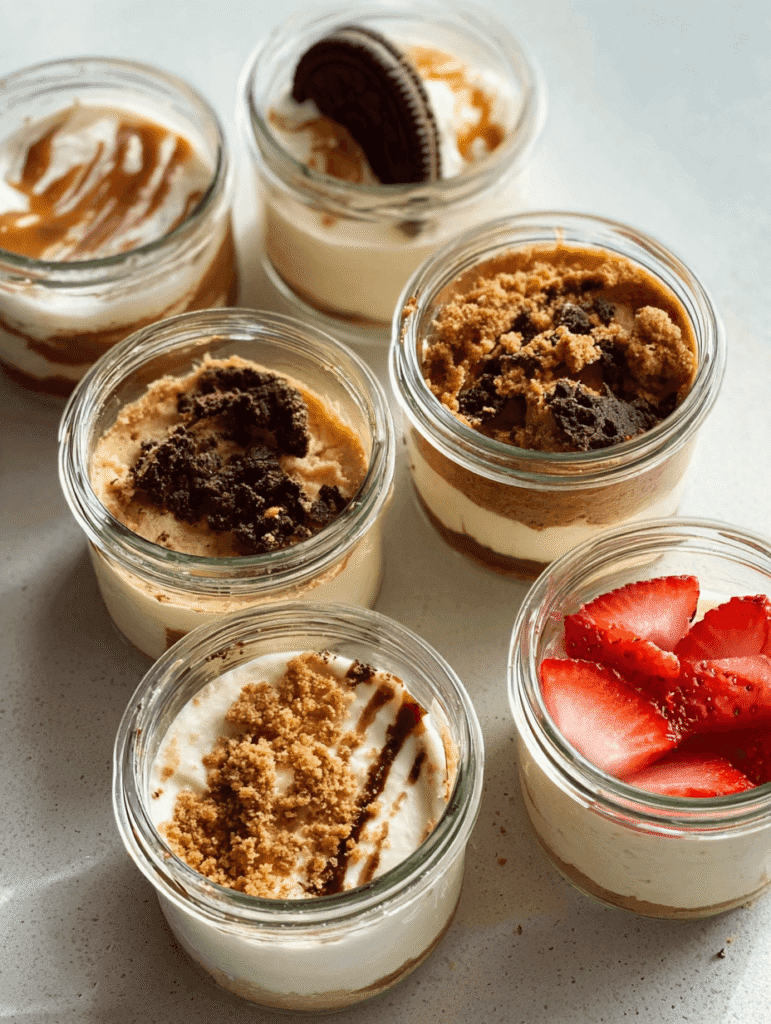
This cheesecake tastes great on its own, but light toppings work beautifully. Fresh berries, a dusting of powdered sugar, or a spoon of fruit sauce add flavor without weighing it down. These simple pairings appear often in my dessert serving guides because they highlight, rather than hide, delicate textures.
For storage, keep the cheesecake covered in the fridge for up to three days. Avoid freezing, since it damages the airy structure. When served fresh and handled gently, this cheesecake stays soft, elegant, and memorable from the first bite to the last.
This recipe reflects the simple cooking style I share across Taste Bliss Recipes.
FAQ Section
What are the three ingredients in Japanese cheesecake?
Traditional Japanese cheesecake usually includes cream cheese, eggs, and sugar. However, the 2-Ingredient Japanese Cheesecake removes sugar entirely and relies on eggs and cream cheese for both structure and flavor. This simplified version keeps the texture light while reducing complexity.
How do you make 2 ingredient protein cheesecake?
A 2 ingredient protein cheesecake works naturally because eggs already provide high-quality protein. By whipping the egg whites properly and folding them gently into smooth cream cheese, you keep the cheesecake airy without adding powders or supplements. Careful baking preserves both texture and structure.
What makes Japanese cheesecake different?
Japanese cheesecake feels lighter and softer than classic cheesecake. It uses whipped eggs to create lift, resulting in a fluffy, jiggly texture. The 2-Ingredient Japanese Cheesecake highlights this difference even more by focusing on air and technique instead of richness.
How do you make viral cheesecake at home?
Viral cheesecake success comes from patience and gentle handling. Low heat, a water bath, slow cooling, and careful folding help achieve the tall rise and soft center people love to share online.
Conclusion
This 2-Ingredient Japanese Cheesecake proves that simplicity can still deliver impressive results. With just cream cheese and eggs, careful technique creates a dessert that feels light, elegant, and comforting. From gentle folding to slow baking and cooling, every step plays a role. Whether you enjoy it plain or with a simple topping, this cheesecake invites you to trust the process and enjoy baking without stress.

2-Ingredient Japanese Cheesecake
Ingredients
Equipment
Method
- Preheat oven to 320°F (160°C) and prepare a water bath.
- Line and wrap a springform pan with parchment paper and aluminum foil.
- Whip egg whites until soft peaks form.
- Blend cream cheese until completely smooth.
- Fold egg whites gently into the cream cheese in batches.
- Pour batter into the prepared pan and tap lightly to release air bubbles.
- Bake in the water bath for 50 minutes.
- Turn off the oven and let the cheesecake cool with the door slightly open.
- Chill before slicing and serving.