Soup dumplings in onion cups took over social media for a reason. This simple idea turns frozen soup dumplings into a bold, crunchy, and juicy bite that feels playful yet satisfying. I first tried soup dumplings in onion cups in my San Diego kitchen after seeing the trend everywhere, and it instantly reminded me of how my grandmother in Marrakesh treated vegetables as part of the dish, not just a side. The sharp onion, warm broth, and rich toppings create contrast that works. In this article, I’ll share why soup dumplings in onion cups taste so good and how to make them without mistakes.
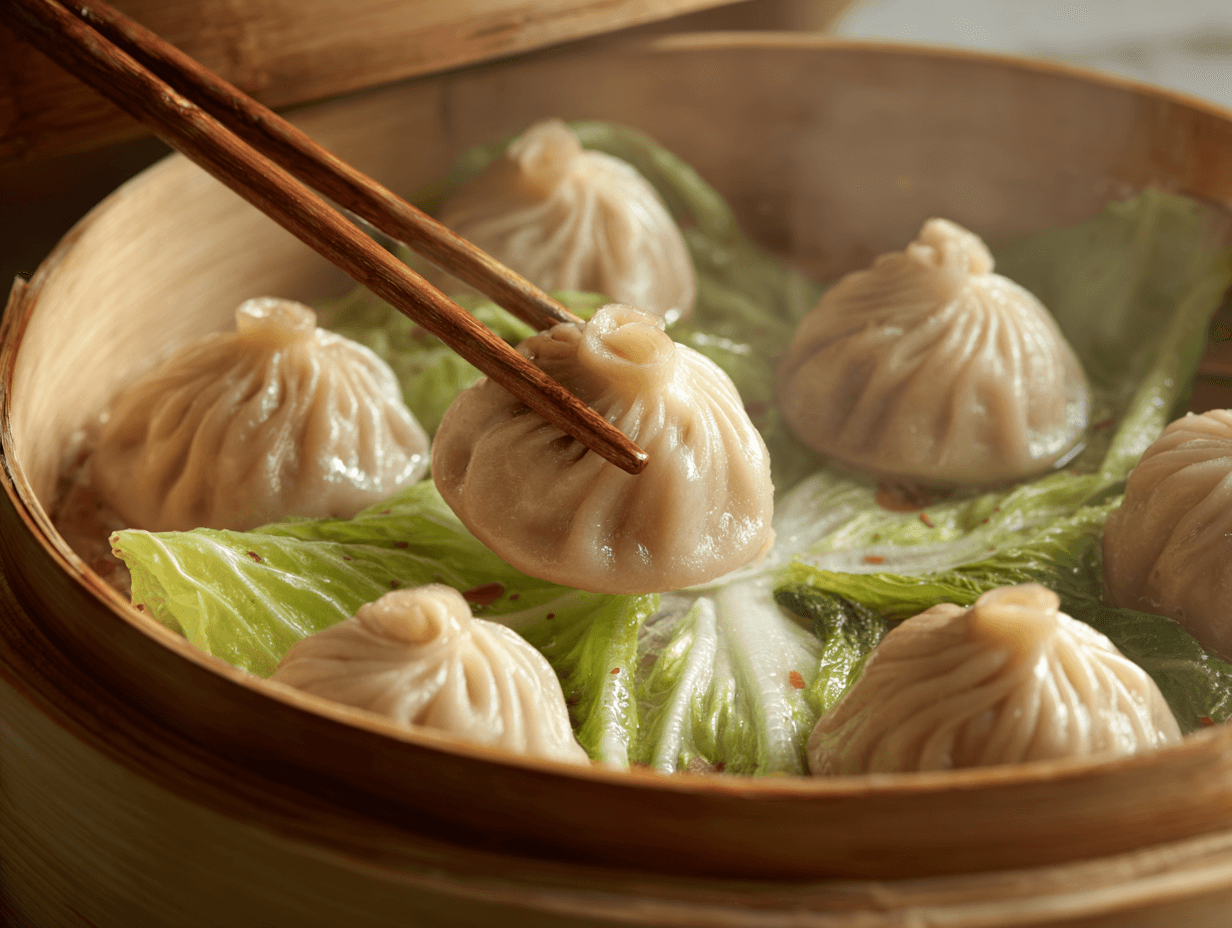
Table of Contents
Table of Contents
Soup Dumplings in Onion Cups and the Story Behind Them
A personal connection to soup dumplings in onion cups
Soup dumplings in onion cups caught my attention because they feel rooted in tradition, even while trending online. I grew up in Marrakesh watching my grandmother treat onions as more than an ingredient. She layered them into soups, stews, and fillings with patience and care. That mindset followed me to San Diego, where I still cook with curiosity. Soup dumplings in onion cups reflect that same idea. They turn something simple into something thoughtful.
The first time I made soup dumplings in onion cups, I had just finished testing a comforting dumpling soup recipe that reminded me how quickly broth and dough can come together when timing feels right. I already had frozen dumplings ready. I sliced a sweet onion, separated the layers, and placed a hot dumpling inside. The onion snapped slightly as I bit in, then the broth spilled out. The contrast felt intentional, not random.
Soup dumplings in onion cups also fit how I cook today. I mix convenience with memory. I respect tradition, yet I stay open to trends. Some ideas fade fast. This one stayed with me.
Why soup dumplings in onion cups work so well
Soup dumplings in onion cups work because every bite has balance. The dumpling stays soft, warm, and rich. The onion stays crisp and sharp. Sauces bring harmony. Chili crisp adds heat. Soy sauce deepens flavor. Mayo rounds everything out.
Texture drives the appeal. Soft dumpling skins against crunchy onion layers create contrast that keeps each bite interesting. That same balance shows up in comforting dishes like Japanese onion soup, where onions add sweetness and structure instead of fading into the background.
Portion control also matters. One dumpling per onion cup slows you down. You notice flavor. You enjoy the moment. Soup dumplings in onion cups don’t rely on shock value. They succeed because they feel playful, grounded, and satisfying all at once. The rise of soup dumplings in onion cups reflects how viral food trends spread quickly through social platforms, a pattern often analyzed by People Magazine when covering TikTok-driven recipes.
How Soup Dumplings in Onion Cups Became a Viral Trend
What are soup dumplings called and where they come from
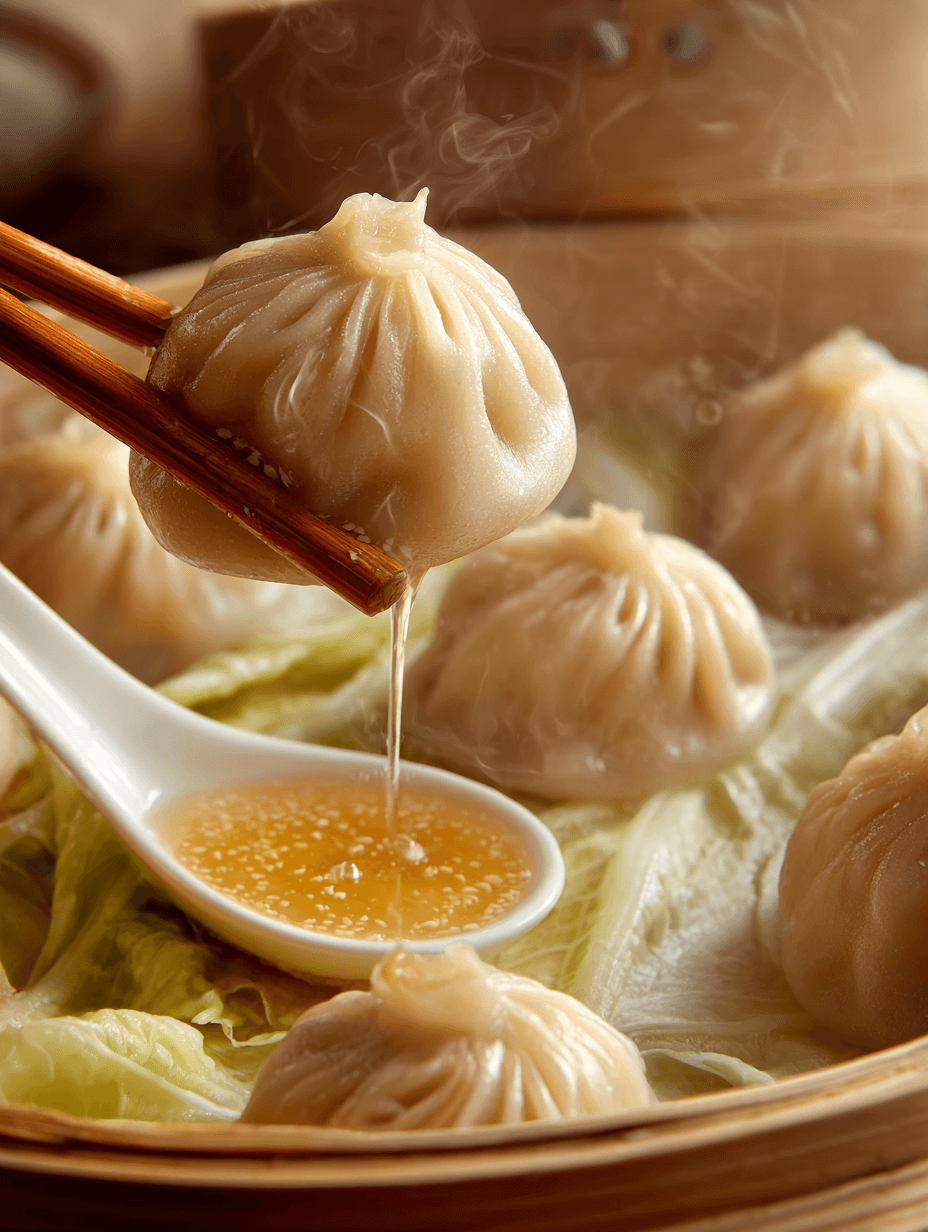
Soup dumplings in onion cups may feel like a new idea, yet the dumplings themselves carry deep roots. These dumplings are called xiaolongbao, a Chinese specialty known for thin wrappers filled with hot, savory broth. Cooks traditionally steam them so the soup stays sealed until the first bite. That careful balance of texture and liquid defines their appeal.
I learned to appreciate that balance while making Japanese clear soup, where clarity and restraint guide every step. Soup dumplings follow the same logic. They rely on timing, structure, and heat. When you place them in onion cups, the onion adds crunch without taking attention away from the dumpling itself.
This pairing also works because it respects the dumpling’s identity. The onion does not compete. It supports. That harmony explains why soup dumplings in onion cups feel intentional instead of gimmicky.
Why TikTok creators love soup dumplings in onion cups
Soup dumplings in onion cups spread fast on TikTok because they look bold and feel approachable. The trend gained traction after Courtney Cook Bales began using onion layers as edible cups for everyday foods. Her relaxed style made the idea feel doable, not staged. People trust recipes that feel real.
Creators also love how flexible the dish feels. Toppings change everything. Chili crisp adds heat. Soy sauce brings depth. Mayo softens sharp edges. Each version feels personal while staying familiar. That same adaptability keeps comfort-driven dishes like Asian chicken noodle soup popular year after year.
Soup dumplings in onion cups also perform well on camera. The crunch of onion, the release of broth, and the shine of sauces create movement and sound. TikTok thrives on those details. This dish delivers them quickly, with no complicated prep or tools.
Soup dumplings, traditionally known as xiaolongbao, originated in China and are defined by their delicate wrappers and rich broth, a technique widely documented by Serious Eats.
How to Make Soup Dumplings in Onion Cups at Home
How to cut an onion to make onion cups
Soup dumplings in onion cups start with the onion, and the cut shapes the final bite. Choose a large sweet onion because the layers separate easily and taste milder when raw. Slice the onion in half from root to tip. Remove the skin, then gently pull apart the inner layers with your fingers until small cup shapes form. Each cup should feel firm enough to hold a dumpling without collapsing.
If the onion tastes too sharp, soak the cups in cold water for ten minutes. This step softens the bite and keeps flavors balanced, a method I often use when preparing vegetable-forward dishes like old-fashioned homemade vegetable soup, where onion flavor needs control. Dry the cups well so sauces cling instead of sliding off.
Keep the cups compact. One dumpling per onion cup works best. Oversized onion layers overpower the dumpling and disrupt balance.
Can you boil soup dumplings instead of steaming them?
Steaming gives the best results for soup dumplings in onion cups because it protects the thin wrapper and keeps the broth inside. Boiling increases the chance of tearing, which causes the soup to leak before serving. If boiling feels like the only option, keep the water at a gentle simmer and handle the dumplings carefully.
I prefer steaming because it mirrors the gentle heat used in comforting recipes like pastina soup, where patience preserves texture. Once cooked, move quickly. Transfer each hot dumpling straight into an onion cup so the broth stays warm and contained.
Finish with toppings right away. Soy sauce sinks into the dumpling. Chili crisp warms and spreads. Mayo smooths the bite. Soup dumplings in onion cups shine when timing stays tight and intentional.
teaming remains the preferred method for soup dumplings because it protects the broth-filled structure, a technique consistently recommended by The Woks of Life.
Flavor Tips, Common Mistakes, and Creative Variations
Common mistakes when making soup dumplings in onion cups
Soup dumplings in onion cups look simple, yet a few small mistakes can throw off the experience. The most common issue starts with the onion. If you choose a sharp yellow onion instead of a sweet one, the bite overwhelms the dumpling. Always aim for mild sweetness so the onion supports the filling.
Another mistake comes from rushing the dumplings. Overcooking causes the wrappers to weaken, which leads to broken skins and lost broth. I see this happen often when people treat soup dumplings like regular dumplings instead of respecting their structure, something I always keep in mind when cooking gentle dishes like chicken and wild rice soup, where timing protects texture.
Skipping balance also hurts the final bite. Too much chili crisp masks flavor. Too much mayo dulls everything. Soup dumplings in onion cups shine when toppings stay measured and intentional.
Creative ways to customize soup dumplings in onion cups
Once you understand the base, soup dumplings in onion cups invite creativity. Swap classic soy sauce for black vinegar to sharpen the broth. Add furikake or toasted sesame seeds for texture. Thinly sliced scallions bring freshness without heaviness.
You can also change the onion treatment. Lightly blanch the onion cups for thirty seconds if you want less crunch and more sweetness. I use this method when building layered flavors in dishes like loaded potato soup, where texture control matters.
For gatherings, serve several variations side by side. Keep the dumplings the same and change only the toppings. Soup dumplings in onion cups adapt easily, which makes them fun to share and easy to repeat. The trend lasts because it invites play, not pressure.
Frequently Asked Questions About Soup Dumplings in Onion Cups
What are some common mistakes when making soup dumplings?
One of the biggest mistakes happens during cooking. Overcooking weakens the dumpling wrapper, which causes the soup to leak before serving. Another issue comes from handling. Rough tongs or stirring break delicate skins fast. I use the same gentle approach here that I use when preparing comfort-driven dishes like Italian penicillin soup, where care protects texture. Balance matters too. Too many toppings drown the dumpling instead of highlighting it.
What are those soup dumplings called?
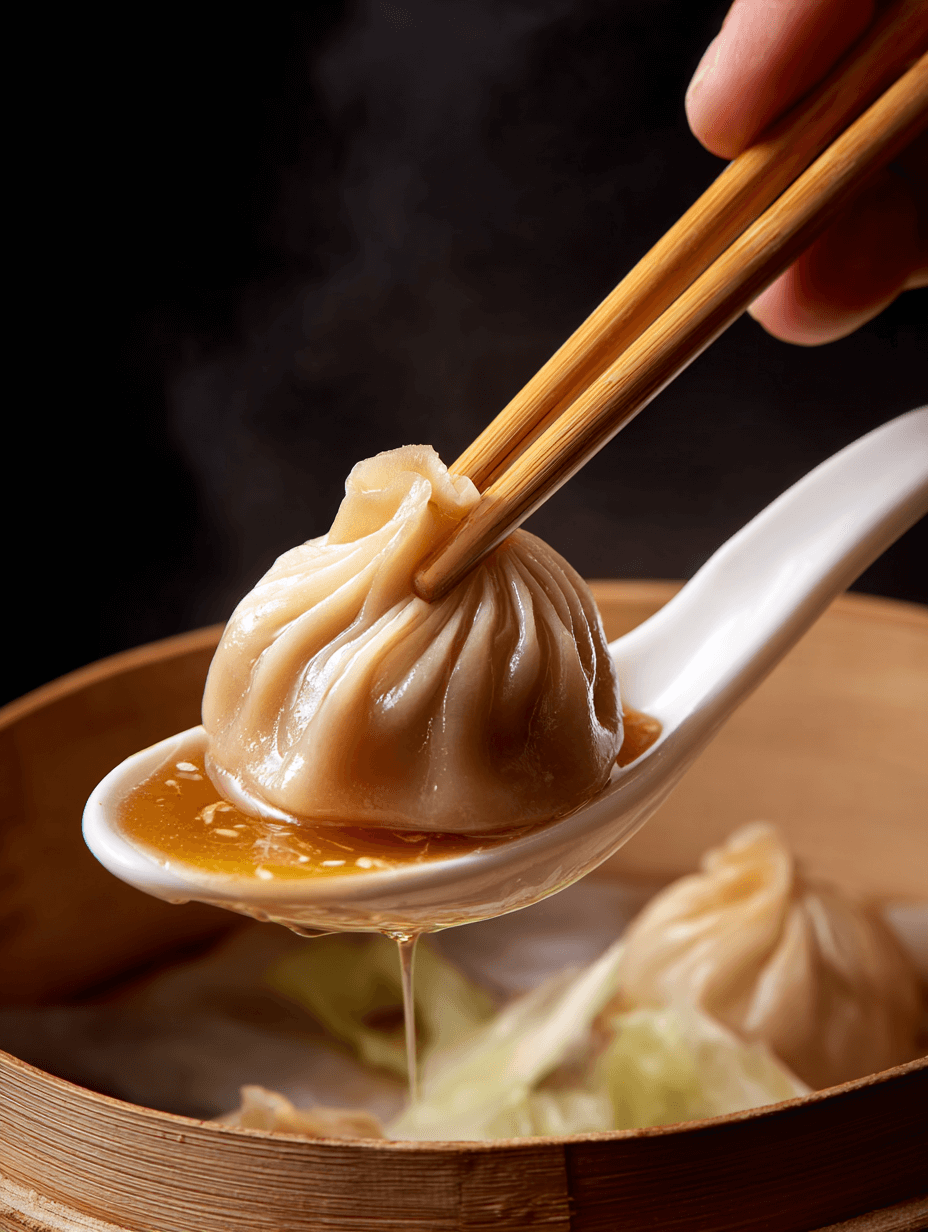
Soup dumplings are called xiaolongbao. They originated in China and rely on a thin wrapper that traps hot broth inside. Cooks traditionally steam them to keep the soup sealed until the first bite. That structure explains why soup dumplings in onion cups work so well. The onion adds crunch without interfering with the dumpling’s design.
How do you cut an onion to make onion cups?
Start with a large sweet onion. Slice it in half from top to root, remove the skin, and gently separate the inner layers. Choose sturdy layers that naturally form cup shapes. If the onion feels too sharp, soak the layers briefly in cold water. This method mirrors how onions soften and mellow in recipes like Japanese onion soup, where control keeps flavor clean.
Can you boil soup dumplings instead of steaming them?
You can boil soup dumplings, yet steaming works better. Boiling increases the chance of tearing the wrapper, which releases the broth too early. If boiling feels necessary, keep the water at a gentle simmer and avoid crowding the pot. Steaming gives you more control and better results for soup dumplings in onion cups.
Conclusion
Soup dumplings in onion cups prove that simple ideas can still feel exciting. This dish blends tradition with trend by pairing delicate, broth-filled dumplings with crisp onion layers that add contrast and structure. The balance of textures, heat, and toppings turns a viral moment into something worth repeating. When you cut the onion with care, cook the dumplings gently, and keep toppings intentional, soup dumplings in onion cups feel thoughtful instead of rushed.
I love recipes that invite play while respecting flavor. Soup dumplings in onion cups do exactly that. They work for quick lunches, casual gatherings, or nights when you want comfort with a twist. Trust your taste, adjust the toppings, and enjoy the process. Food should feel fun, shared, and a little surprising every time.
Ingredients
Equipment
Method
- 1. Slice each onion in half from root to tip and remove the skin.
- 2. Gently separate the inner onion layers into cup shapes.
- 3. Optional: soak onion cups in cold water for 10 minutes, then pat dry.
- 4. Steam soup dumplings according to package directions until fully cooked.
- 5. Place one hot soup dumpling into each onion cup.
- 6. Drizzle with soy sauce and mayonnaise.
- 7. Top with chili crisp, green onions, and sesame seeds.
- 8. Serve immediately while warm.