Vietnamese Garlic Noodles, or Mì Xào Tỏi, aren’t just noodles—they’re pure comfort. If you’ve never tried these buttery, garlicky, umami-packed noodles, you’re in for something special. In this article, I’ll show you why this crowd-pleasing side is so loved, how it’s rooted in both Vietnamese tradition and global fusion, and exactly how to make it perfect every time. You’ll get a taste of their backstory, secret technique tips, ingredient swaps, and all the ways you can serve and personalize them.
Let’s dive in and bring a bit of that irresistible noodle magic to your kitchen.
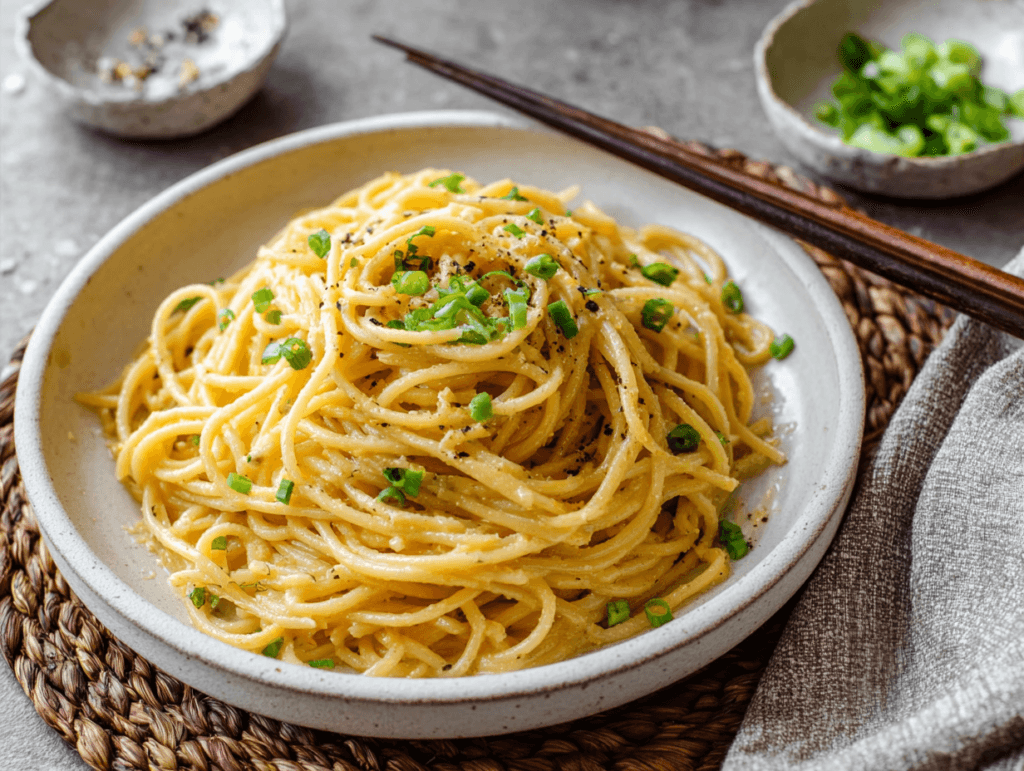
Table of Contents
Table of Contents
The Story & Origins of Vietnamese Garlic Noodles
A Memory in Every Bite: My Connection to Vietnamese Garlic Noodles
Growing up in Marrakesh, I always believed comfort food was found in slow-simmered tagines and baskets of fresh bread. But when I moved to California, I discovered Vietnamese Garlic Noodles—first at a bustling local spot, then, obsessively, at home. The noodles had a rich, garlicky aroma, buttery shine, and a taste that stuck with me long after the plate was empty. That first bite reminded me that great food is about warmth and welcome, no matter where you are.
These noodles are all about bringing people together. In my kitchen, I started to blend this Vietnamese classic with my own style—sometimes tossing in a hint of North African spice or pairing them with sticky garlic chicken noodles for a double hit of flavor. The beauty of Vietnamese Garlic Noodles is their adaptability: you can make them the star of a weeknight dinner, serve them as a side, or even enjoy them cold from the fridge. If you’re looking for another delicious twist, you might enjoy my vegan garlic noodles—a plant-based spin that’s just as crave-worthy.
What Makes Vietnamese Garlic Noodles So Addictive?
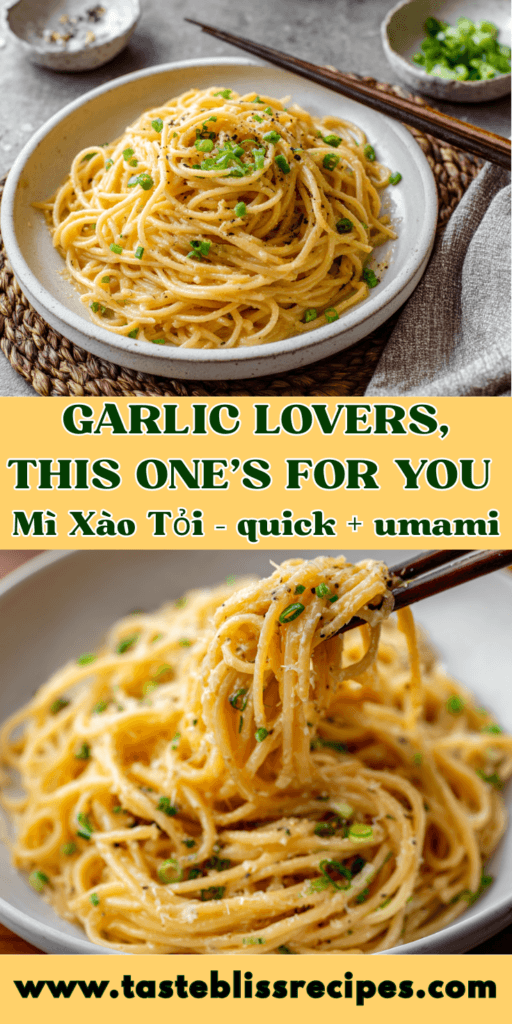
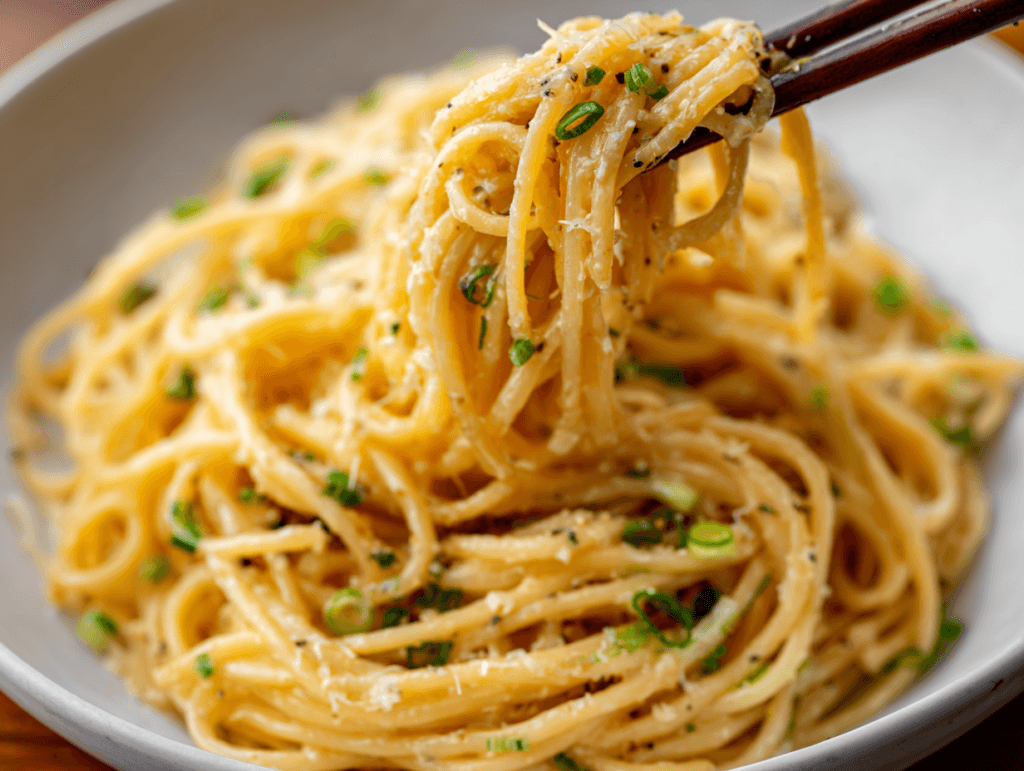
What keeps people coming back to Vietnamese Garlic Noodles is the sheer depth of flavor packed into such simple ingredients. You’ll taste the lushness of butter, the pungency of lots of garlic, and the sweet-salty punch of oyster and fish sauces. Add a sprinkle of Parmesan for a little fusion magic and you’ve got something truly unique—chewy noodles, golden and glossy, with every strand coated in umami.
The real secret? These noodles can take on whatever you pair them with. They work beautifully alongside grilled meats, stand out with wok-seared veggies, or even star in a bowl with a soft-boiled egg on top. If you’re a noodle lover, you’ll want to check out my tips for making Asian chicken noodle soup or discover new ways to serve up sides with high-protein honey garlic butter chicken and mac & cheese.
Essential Ingredients That Make Vietnamese Garlic Noodles Shine
Choosing the Right Noodles for Vietnamese Garlic Noodles
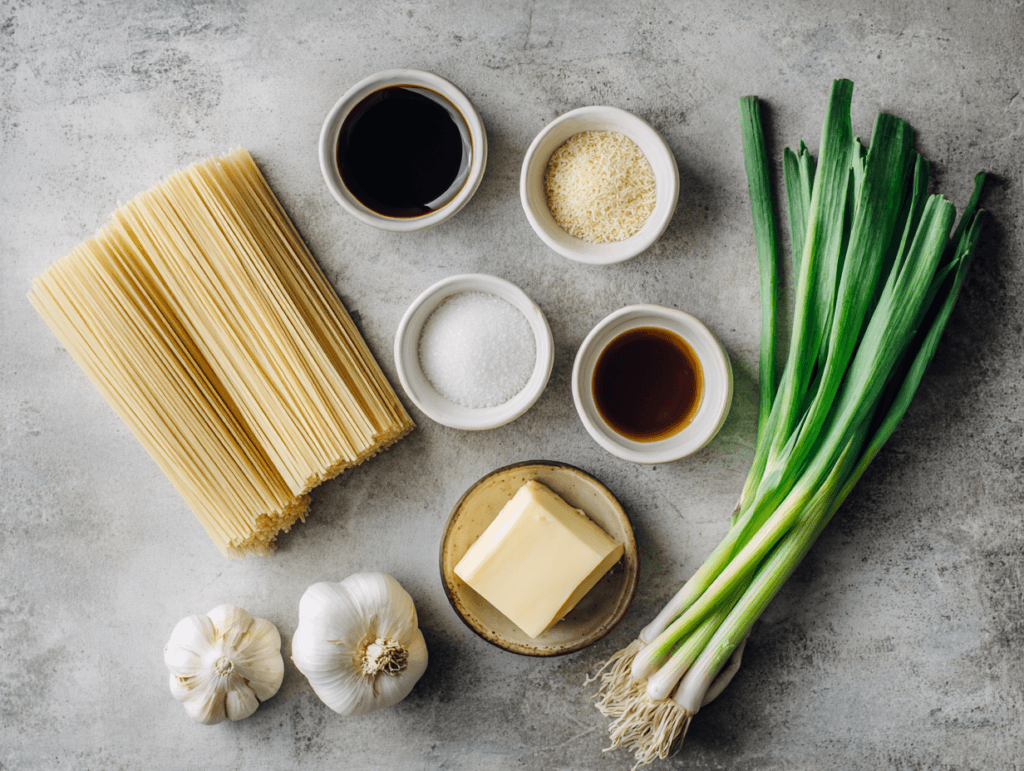
The texture of Vietnamese Garlic Noodles starts with the noodles themselves. I always reach for refrigerated lo mein noodles because they stay springy and chewy, even after a quick boil. They absorb butter and sauce without turning soft or sticky. Texture matters here, just like it does in comforting noodle bowls such as my lipton chicken noodle soup recipe, where timing and structure shape the final result.
If you can’t find refrigerated lo mein, dried noodles still work well. Spaghetti, dried wheat noodles, or even instant ramen without the seasoning packet make solid substitutes. The key is quick cooking and immediate transfer to the sauce. According to this helpful guide on noodle types and texture differences, thicker wheat-based noodles hold sauces better and deliver a more satisfying bite, which explains why Vietnamese Garlic Noodles feel so rich despite their simplicity.
No matter which noodle you choose, avoid overboiling. A firm bite lets the sauce finish the cooking process in the pan, giving you noodles that feel glossy, not soggy.
Sauce, Garlic, and Butter: Where the Flavor Lives
The soul of Vietnamese Garlic Noodles lives in the sauce. Oyster sauce adds sweetness and depth, while fish sauce delivers the savory backbone that defines Vietnamese cooking. Soy sauce rounds out the saltiness, and a small amount of sugar balances everything without turning the dish sweet.
Garlic plays the starring role. I use a generous amount because gentle cooking transforms sharp raw garlic into something soft and aromatic. I melt butter first, then add the garlic and stir constantly. I never let it brown. This step shapes the final flavor more than any other. If you want a deeper understanding of why garlic behaves this way, this explanation of how garlic changes when cooked offers great insight without overcomplicating things.
Butter brings comfort and shine, while Parmesan adds a subtle savory finish that blends beautifully with the sauces. This same balance of richness and restraint is what makes dishes like my high protein chicken noodle soup so satisfying. A handful of sliced green onions at the end adds freshness and contrast, keeping Vietnamese Garlic Noodles bold but not heavy.
How to Cook Vietnamese Garlic Noodles Like a Pro
Step-by-Step Cooking Flow for Vietnamese Garlic Noodles
Vietnamese Garlic Noodles come together fast, so timing matters from the start. I always prep everything first. I mince the garlic, whisk the sauces, slice the green onions, and bring the water to a boil before turning on the skillet. This setup keeps the process calm and controlled, especially since the noodles cook in seconds.
I melt the butter over medium heat and add the garlic right away. I stir constantly and watch closely. The garlic should smell fragrant and sweet, never toasted. This step sets the tone for the whole dish. While the garlic cooks, I drop the noodles into salted boiling water and gently loosen them. I never leave them unattended. Thirty seconds is enough. I transfer them straight into the garlic butter, letting the noodles carry a little pasta water with them.
Next comes the sauce. I give it one last whisk and pour it over the noodles, then toss quickly. The noodles finish cooking in the pan and soak up every drop of flavor. I turn off the heat before adding Parmesan and green onions so they melt softly instead of clumping. This same quick, focused method works well in recipes like my sticky garlic chicken noodles recipe, where speed protects texture and flavor.
Common Mistakes That Change the Final Result
The most common mistake with Vietnamese Garlic Noodles is cooking the garlic too long. Brown garlic tastes bitter and dulls the sauce. I stay present at the stove and keep the heat moderate. Another issue comes from overcooking the noodles. Soft noodles won’t cling to the sauce, and the dish loses its signature chew.
Seasoning also deserves attention. Fish sauce and oyster sauce already bring salt, so I season lightly at first and adjust at the end. This approach keeps the flavors balanced. I use the same mindset when cooking brothy dishes like my pastina soup recipe, where restraint creates harmony instead of heaviness.
Lastly, I never skip the final toss off the heat. This step keeps the butter glossy and the cheese smooth. When you respect these small details, Vietnamese Garlic Noodles turn out rich, savory, and deeply satisfying every single time.
How to Serve, Customize, and Enjoy Vietnamese Garlic Noodles
What to Serve with Vietnamese Garlic Noodles
Vietnamese Garlic Noodles shine as a side dish, yet they hold their own as a simple main. I often serve them alongside grilled shrimp, lemongrass chicken, or seared steak because the buttery garlic sauce balances smoky, savory flavors beautifully. When I want something lighter, I pair them with sautéed greens or a crisp cucumber salad. The contrast keeps the meal fresh and satisfying.
These noodles also fit perfectly into comfort-style menus. They feel right at home next to roasted chicken or rich dishes where you want something simple and flavorful on the side. I use the same pairing logic I follow when planning meals around soups, especially when referencing ideas from my guide on what to serve with chicken noodle soup. Vietnamese Garlic Noodles adapt easily, which makes them a reliable option for gatherings or weeknight dinners.
If you want to turn them into a full meal, add sautéed mushrooms, shrimp, or crispy tofu right in the pan. The sauce coats everything evenly and keeps the dish cohesive without extra effort.
Easy Variations and Ingredient Swaps
Vietnamese Garlic Noodles invite creativity. If you avoid shellfish, you can replace oyster sauce with mushroom sauce or a mix of soy sauce and a touch of sugar. This swap keeps the savory depth without changing the character of the dish. For a plant-based version, skip the butter and use vegan butter or oil, then finish with nutritional yeast instead of Parmesan. I explore that approach more deeply in my vegan garlic noodles recipe, which proves you don’t need dairy to get bold flavor.
You can also play with noodles. Lo mein stays my favorite, but spaghetti or dried wheat noodles still work when cooked briefly. Even instant ramen noodles can step in during busy weeks. The key stays the same: short cooking time and quick tossing in the sauce.
Small changes let you tailor Vietnamese Garlic Noodles to your pantry and preferences without losing what makes them special.
Frequently Asked Questions About Vietnamese Garlic Noodles
What can I use in place of oyster sauce?
You can use mushroom sauce or a mix of soy sauce with a pinch of sugar. This option works well for vegetarian or shellfish-free diets while keeping the savory balance.
What can I serve Vietnamese Garlic Noodles with?
They pair well with grilled meats, seafood, roasted vegetables, or tofu. They also work as a standalone dish with added protein or vegetables.
What country are garlic noodles from?
Garlic noodles are closely associated with Vietnamese cuisine, especially Vietnamese-American cooking, where Asian flavors meet Western ingredients like butter and Parmesan.
Can I use a different type of noodle in this recipe?
Yes. Lo mein works best, but spaghetti, dried wheat noodles, or ramen noodles all work if you cook them briefly and finish them in the sauce.
Conclusion
Vietnamese Garlic Noodles prove that simple ingredients can create unforgettable flavor. With butter, garlic, and a few pantry staples, you get a dish that feels comforting, bold, and endlessly versatile. I love how these noodles reflect my own cooking journey—rooted in tradition, shaped by travel, and always open to creativity. Whether you serve them as a side or make them the main event, Vietnamese Garlic Noodles invite you to cook boldly, trust your taste, and enjoy every bite.
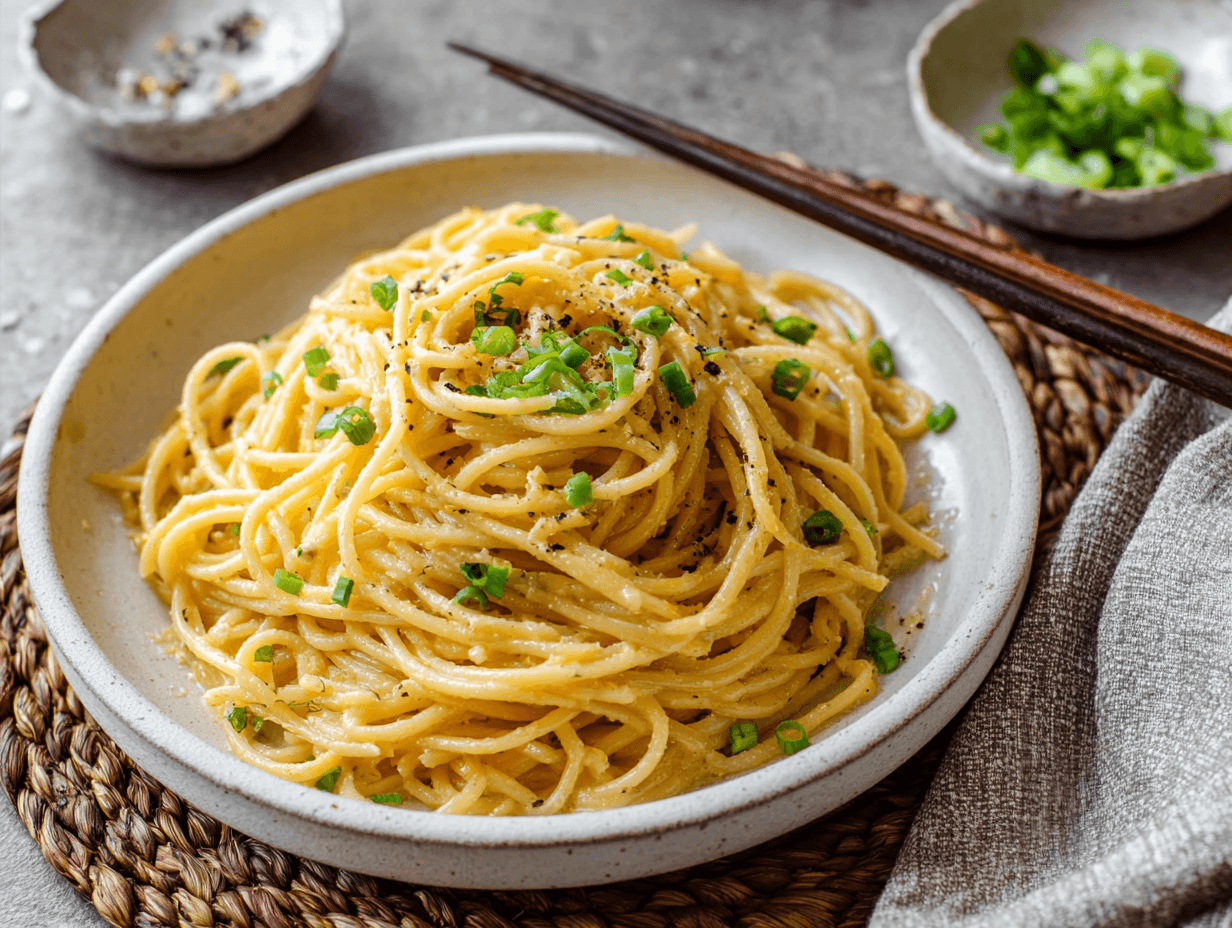

Vietnamese Garlic Noodles (Mì Xào Tỏi)
Ingredients
Equipment
Method
- In a small bowl, whisk together the oyster sauce, soy sauce, fish sauce, and sugar. Set aside.
- Bring a large pot of salted water to a boil and keep it ready while preparing the noodles.
- In a large skillet or wok over medium heat, melt the butter. Add the garlic and cook for about 1 minute until fragrant, stirring often without browning.
- Add the noodles to the boiling water and gently separate. Boil for no more than 30 seconds, then transfer directly to the garlic butter using tongs.
- Whisk the sauce again and pour it over the noodles. Season lightly with salt and pepper, then toss until evenly coated.
- Turn off the heat. Add Parmesan cheese and green onions, then toss to combine and adjust seasoning to taste.