
This apple cider vinegar dressing is the kind of recipe that earns a permanent spot in the fridge. It takes about 5 minutes, uses pantry staples, and delivers a clean, tangy flavor that makes salads, grain bowls, and roasted vegetables taste more alive. It is balanced, not sharp, with enough sweetness to round out the vinegar and enough Dijon to help everything emulsify smoothly.
Table of Contents
Table of Contents
Why you’ll love this recipe
- It takes 5 minutes and no cooking.
- It uses basic ingredients you likely already have.
- It tastes fresh, bright, and balanced instead of harsh.
- It works for salads, grain bowls, roasted vegetables, and marinades.
- It keeps well for meal prep and quick lunches.
- It is easy to adjust sweeter, tangier, or more savory.
- It costs less than store-bought dressing and tastes better.
What this tastes like
This dressing tastes bright, lightly sweet, and gently sharp with a smooth olive oil finish. Dijon adds a subtle savory depth and helps the texture stay creamy instead of separating too quickly.
It works especially well for weeknight salads, lunch meal prep, spring vegetables, and simple grain bowls. In cooler months, it also cuts through richer roasted vegetables beautifully.
Ingredients
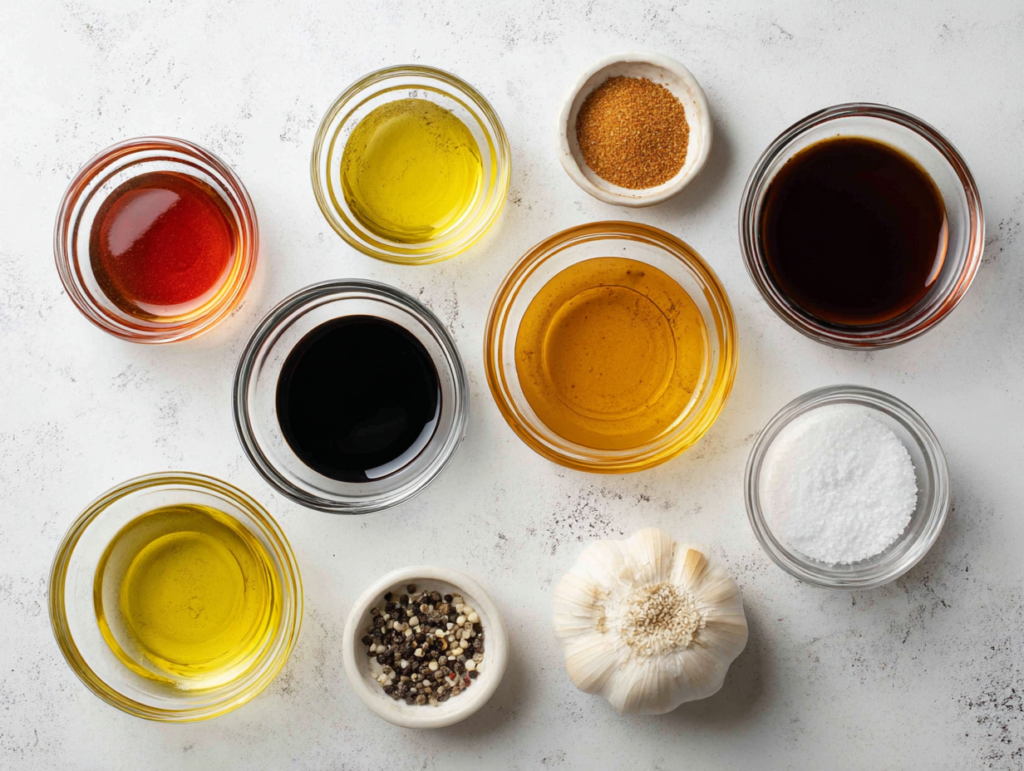
- 1/4 cup apple cider vinegar
- 1/2 cup extra-virgin olive oil
- 1 tablespoon Dijon mustard
- 1 tablespoon maple syrup or honey
- 1 small garlic clove, finely grated
- 1/2 teaspoon kosher salt
- 1/4 teaspoon black pepper
- 1 tablespoon water, optional, to mellow the sharpness
Substitutions & swaps
- Use honey for a classic flavor or maple syrup to keep it vegan.
- Swap Dijon for whole grain mustard for a slightly more textured dressing.
- Use shallot instead of garlic for a milder, sweeter bite.
- Replace olive oil with avocado oil for a more neutral finish.
- Add 1 to 2 teaspoons lemon juice for extra brightness.
- Use a pinch of red pepper flakes for gentle heat.
Best ingredients to use
- Apple cider vinegar: Choose one with a clean, fruity taste. Unfiltered works well, but filtered is also fine.
- Olive oil: Use extra-virgin olive oil that tastes smooth, not bitter.
- Dijon mustard: It adds flavor and helps the dressing emulsify into a better texture.
Equipment
- Measuring cups and spoons
- Small bowl or glass jar with lid
- Whisk or fork
- Microplane or garlic press
- Small funnel, optional, for storing in a jar
How to make Apple Cider Vinegar Dressing
Prep
- Measure everything first. Add the apple cider vinegar, Dijon mustard, maple syrup or honey, grated garlic, salt, and pepper to a small bowl or jar. This takes about 2 minutes and keeps the mixing quick and clean.
- Choose your method. Use a bowl and whisk if you want maximum control, or use a jar if you want fast mixing and easy storage. A jar is especially handy for meal prep.
Cook
- Whisk the base first. Stir or whisk the vinegar, mustard, sweetener, garlic, salt, and pepper until fully combined. This helps the mustard dissolve evenly and prevents clumps.
- Add the oil slowly. While whisking, drizzle in the olive oil gradually until the dressing looks slightly thickened and glossy. If using a jar, pour in the oil, seal the lid, and shake hard for 20 to 30 seconds.
- Taste and adjust. If it tastes too sharp, add the optional tablespoon of water or another teaspoon of maple syrup. If it tastes flat, add a pinch more salt. The finished dressing should taste balanced and smooth, not oily or harsh.
Finish & serve
- Let it sit for 5 minutes before serving if possible. That short rest helps the garlic and mustard settle into the dressing.
- Serve over greens, bowls, or roasted vegetables. It pairs especially well with sturdy lettuces, kale, cabbage slaws, quinoa bowls, and roasted carrots.
- Avoid one common mistake: do not dump all the oil in at once if you are whisking by hand. Slow addition gives you a better emulsion and a more cohesive dressing.
Pro tips (to get it perfect)
- Start with the listed ratio, then adjust only after tasting.
- Add the oil slowly for a creamier texture.
- Grate the garlic finely so it blends into the dressing instead of sitting in sharp chunks.
- Use room-temperature ingredients for easier emulsifying.
- Add a spoonful of water if the vinegar tastes too aggressive.
- Add more salt before adding more sweetener if the flavor seems dull.
- Shake or whisk again right before serving, especially after chilling.
- For kale salads, massage the dressing into the leaves for a better texture.
- For meal prep, keep greens dry and add dressing just before eating.
- If the dressing tastes too oily, add 1 to 2 teaspoons more vinegar.
- If it tastes too tart, add 1 teaspoon maple syrup or honey.
- If it separates quickly, add a little more Dijon and shake again.
Variations
- Budget version: Skip fresh garlic and use 1/4 teaspoon garlic powder.
- Sweeter version: Add an extra teaspoon of maple syrup for salads with bitter greens.
- Tangier version: Add 1 teaspoon lemon juice.
- Herby version: Stir in 1 tablespoon chopped parsley, dill, or chives.
- Spicy version: Add a pinch of red pepper flakes or a few drops of hot sauce.
- Creamier version: Blend in 1 tablespoon tahini.
- Healthier tweak: Reduce the oil to 6 tablespoons and add 2 tablespoons water for a lighter dressing.
- High-protein meal idea: Use it on a chicken, chickpea, or lentil bowl rather than changing the dressing itself.
- Shallot version: Replace garlic with 1 tablespoon very finely minced shallot.
- Apple-forward version: Add 1 tablespoon unsweetened applesauce for a softer fruit note.
Serving ideas
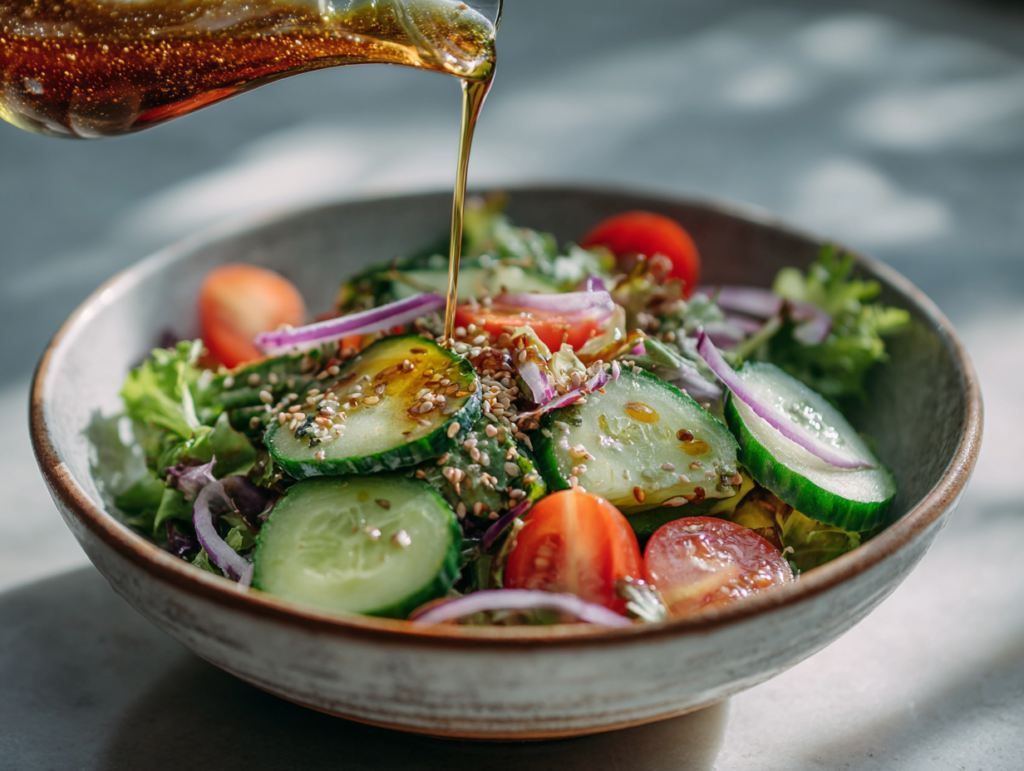
- Toss with mixed greens, cucumber, and cherry tomatoes.
- Spoon over a kale salad with nuts and dried cranberries.
- Drizzle on roasted carrots, sweet potatoes, or Brussels sprouts.
- Use on quinoa bowls with chickpeas and crunchy vegetables.
- Serve with grilled chicken or salmon for a simple lunch.
- Add to a cabbage slaw for sandwiches or wraps.
- Pair it with grain-based meal prep bowls.
- Try it with potato salad for a lighter, tangier finish.
- Serve alongside recipes like lemon vinaigrette or balsamic dressing when you want a homemade dressing rotation.
- If you like sweeter dressings too, compare it with honey mustard or orange vinaigrette for different moods and meals.
Storage, freezing, reheating
Store the dressing in a sealed glass jar or airtight container in the refrigerator for up to 1 week. Shake well before each use because natural separation is normal.
Do not freeze it. Freezing can damage the emulsion and dull the texture.
There is no reheating needed, but cold olive oil can thicken in the fridge. Let the jar sit at room temperature for 10 to 15 minutes, then shake again. For general storage guidance, the USDA FoodKeeper is a helpful reference.
Make-ahead advice: Make the dressing 1 day ahead for the best integrated flavor. Keep it separate from greens until serving so the salad stays crisp.
Nutrition (estimates)
Per serving, based on 8 servings:
- Calories: 93
- Protein: 0.2g
- Carbs: 1.8g
- Fat: 10g
Nutrition values are estimates and vary based on the exact ingredients used.
FAQs
What is apple cider vinegar dressing made of?
Most apple cider vinegar dressing recipes use apple cider vinegar, oil, mustard, a sweetener, salt, and pepper. Many versions also include garlic or shallot for extra depth.
The basic idea is simple: acid for brightness, oil for body, mustard for flavor and emulsifying, and a touch of sweetness to balance the sharpness.
Is apple cider vinegar dressing the same as vinaigrette?
Yes, it is a type of vinaigrette. A vinaigrette is any dressing made from oil plus an acid, usually vinegar or citrus juice.
Apple cider vinegar dressing falls into that category, but it has its own flavor profile because apple cider vinegar tastes fruitier and softer than some other vinegars.
How long does apple cider vinegar dressing last in the fridge?
A homemade version usually keeps well for about 1 week in the fridge when stored in a clean, sealed jar.
If it contains fresh garlic, keep it refrigerated and use it promptly. For general food safety and refrigeration basics, the FDA safe food handling guide is a reliable reference.
Why did my dressing separate?
Separation is normal in homemade dressing because it contains no stabilizers. Oil and vinegar naturally pull apart over time.
Shake or whisk it again right before serving. A little extra Dijon can help it hold together longer.
How do I make it less sharp?
Add 1 tablespoon water, 1 extra teaspoon sweetener, or a little more olive oil. Taste after each small change.
You can also let it sit for a few minutes. Freshly mixed vinegar dressings often taste sharper at first than they do after resting.
Can I make apple cider vinegar dressing without mustard?
Yes. The dressing will still work, but it may separate faster and lose a little savory depth.
You can replace the mustard with a small spoonful of tahini for body, or simply shake the dressing again before serving.
Is apple cider vinegar dressing healthy?
It can be a smart option because it uses simple ingredients and usually contains less sugar and fewer additives than many bottled dressings.
It also fits nicely into balanced meals built around vegetables, whole grains, and protein. The Healthy Eating Plate offers a useful framework for that.
What salads work best with this dressing?
It works best with salads that benefit from brightness, such as mixed greens, kale, spinach, cabbage slaw, apple salads, and grain bowls.
It also pairs well with roasted vegetables, beans, and nuts because the tangy flavor cuts through richer textures.
Can I use it as a marinade?
Yes, especially for chicken, tofu, and hearty vegetables. The acid and oil help flavor the surface well.
Use it as a short marinade rather than an overnight one for delicate foods. Too much acid for too long can affect texture.
What oil is best for apple cider vinegar dressing?
Extra-virgin olive oil is the classic choice because it adds flavor and body. Choose one that tastes smooth rather than intensely bitter.
If you want a lighter taste, avocado oil is a good alternative.
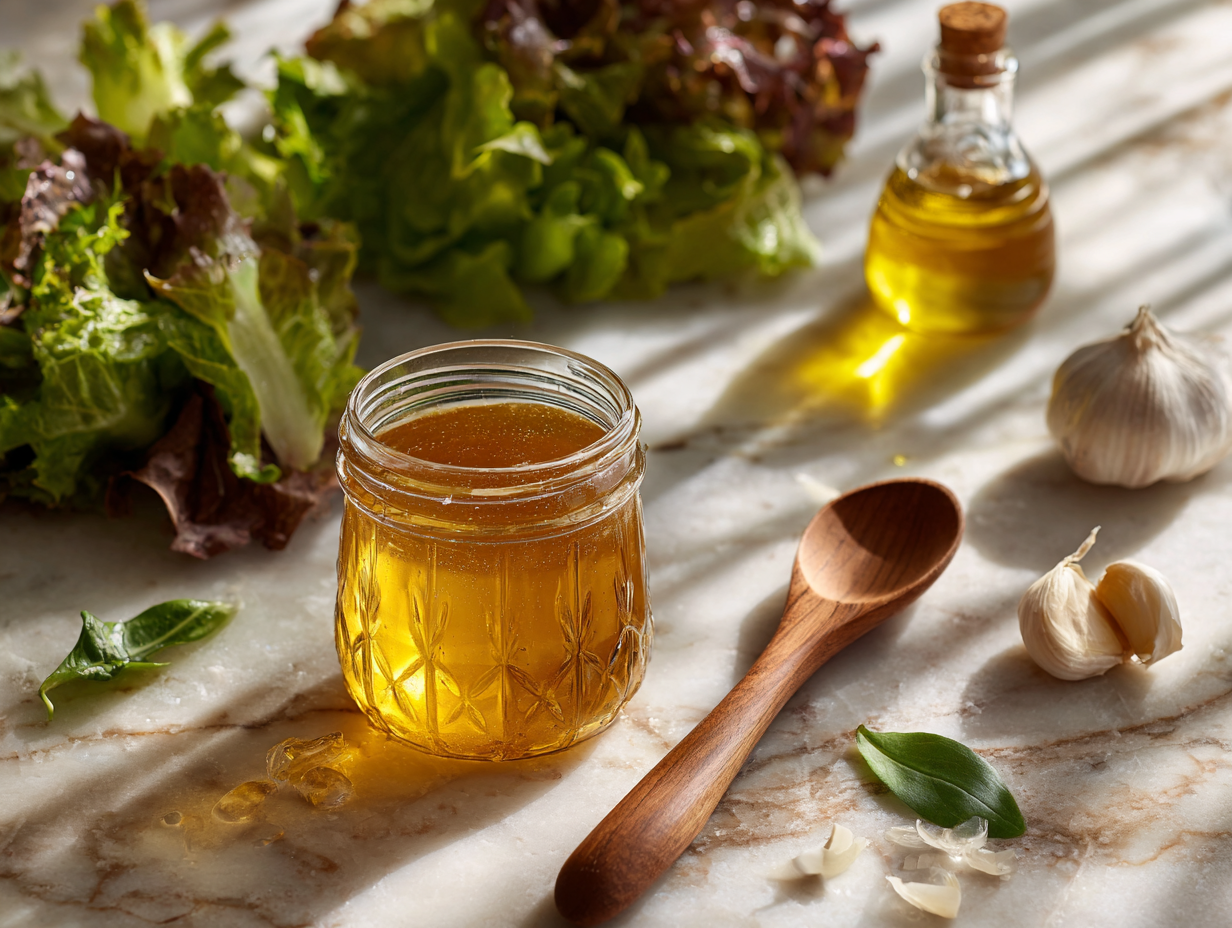

Apple Cider Vinegar Dressing
Ingredients
Equipment
Method
- Add the apple cider vinegar, Dijon mustard, maple syrup or honey, garlic, salt, and pepper to a small bowl or jar.
- Whisk the base until smooth.
- Slowly drizzle in the olive oil while whisking, or add it to the jar and shake until emulsified.
- Taste and adjust with water, more sweetener, or more salt as needed.
- Let the dressing rest for 5 minutes, then serve or refrigerate.