
Asian sesame dressing is one of those magical recipes that instantly transforms a simple salad into a vibrant, flavorful meal. I still remember the first time I recreated this dressing in my San Diego kitchen, inspired by the nutty tahini sauces from my grandmother’s Moroccan kitchen in Marrakesh. The aroma of toasted sesame seeds combined with soy sauce and a touch of honey instantly brought back warm memories. Today, Asian sesame dressing has become a staple in my kitchen because it blends authentic flavors with fresh ingredients. In this guide, you’ll learn how to make Asian sesame dressing, choose the best ingredients, and use it in everyday meals.
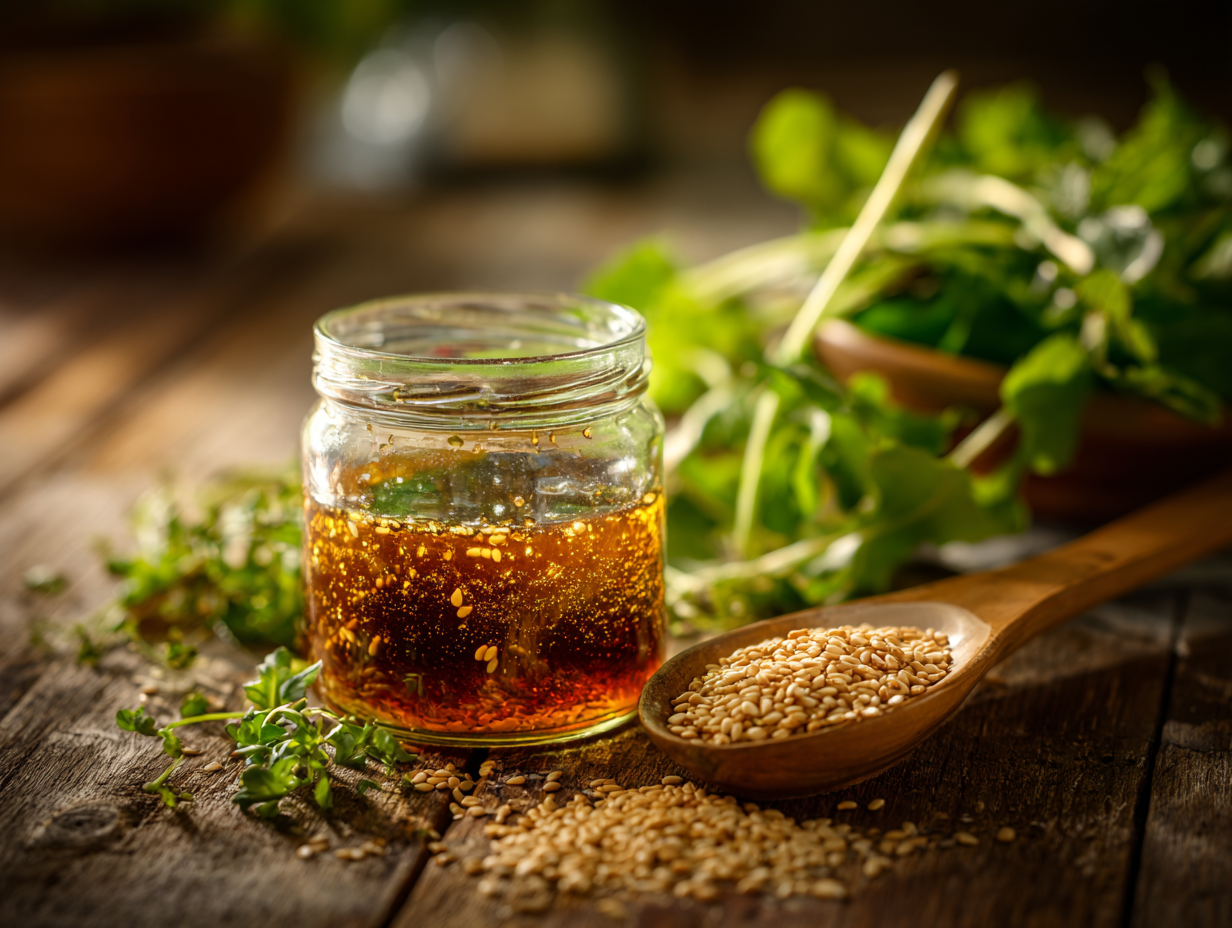
Table of Contents
Table of Contents
Asian Sesame Dressing Story & Flavor Base
The Story Behind Asian Sesame Dressing
My love for Asian sesame dressing started with a small kitchen experiment. Back in Marrakesh, my grandmother’s kitchen always smelled of cumin, saffron, and toasted sesame. When I moved to San Diego, I wanted to recreate that rich, nutty flavor using local ingredients. The first batch of Asian sesame dressing I made had that perfect balance of nutty, sweet, and tangy notes, instantly transporting me back to those warm Moroccan mornings. Since then, it has become a staple in my kitchen, whether drizzled over an avocado salad or used as a marinade for grilled chicken.
This dressing isn’t just flavorful—it’s versatile. You can use it on noodles, roasted vegetables, or even as a dipping sauce. What makes Asian sesame dressing special is its ability to elevate simple dishes with just a few pantry staples.
Why Asian Sesame Dressing Stands Out
Asian sesame dressing stands out because it combines toasted sesame oil, soy sauce, and a touch of sweetness from honey or sugar. This creates a dressing that is both rich and light, making it a healthier alternative to heavy creamy dressings. For an extra health boost, you can substitute honey with pure maple syrup or a sugar-free sweetener. You can also pair this dressing with other fresh options like simple vinaigrette to create layered flavors in your salads.
Here’s a quick breakdown of its flavor profile:
| Flavor | Ingredient |
|---|---|
| Nutty | Toasted sesame oil |
| Salty | Soy sauce |
| Sweet | Honey or maple syrup |
| Tangy | Rice vinegar |
For readers who want to learn more about sesame benefits, check out this Harvard guide on sesame. Its combination of flavor and nutrition makes Asian sesame dressing both delicious and wholesome.
Ingredients for Asian Sesame Dressing
Essential Ingredients for Authentic Asian Sesame Dressing
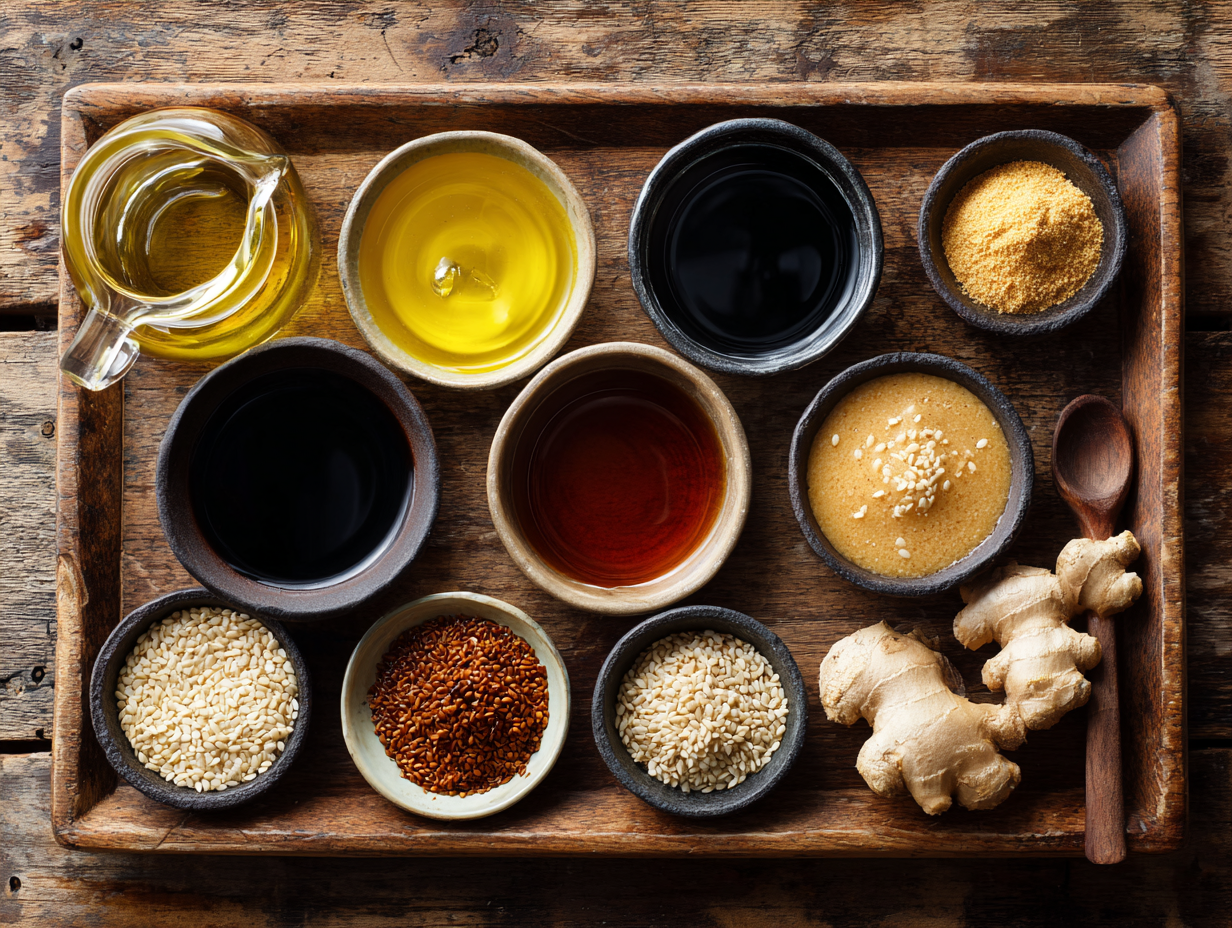
Making Asian sesame dressing from scratch is easier than you might think. The key is using fresh, high-quality ingredients to create the perfect balance of nutty, sweet, and tangy flavors. Here’s what you’ll need:
- Toasted sesame oil – gives the dressing its signature nutty aroma
- Soy sauce – adds depth and saltiness
- Rice vinegar – provides tangy brightness
- Honey or maple syrup – balances the acidity with subtle sweetness
- Garlic – finely minced for aromatic flavor
- Ginger – adds a gentle spicy note
- Sesame seeds – lightly toasted for texture and visual appeal
For a creamier version, you can whisk in a little mayonnaise or tahini, similar to my tahini sauce recipe. This adds richness without overpowering the sesame flavor.
Substitutions and Healthy Variations
Asian sesame dressing is extremely adaptable. If you’re looking for a lighter version, replace honey with a sugar-free alternative or skip the sweetener entirely. Gluten-free soy sauce or tamari works beautifully for those with dietary restrictions. You can even swap rice vinegar with apple cider vinegar for a milder tang.
Adding a bit of lemon juice or using a lemon dressing base can create a bright, refreshing twist perfect for summer salads. Additionally, experimenting with a dash of chili flakes gives the dressing a subtle heat that pairs wonderfully with roasted vegetables or grilled chicken.
For more guidance on healthy oils and cooking techniques, see this Cleveland Clinic guide, which explains how different oils affect flavor and nutrition.
The versatility of Asian sesame dressing makes it suitable for all kinds of salads, noodle dishes, and marinades. By adjusting ingredients slightly, you can create a version that matches your taste preferences and dietary needs while maintaining its authentic nutty flavor.
How to Make Asian Sesame Dressing at Home
Step-by-Step Preparation Method
Making Asian sesame dressing at home is simple and satisfying. Here’s a step-by-step guide to help you get the perfect balance every time:
- Toast the sesame seeds – Heat a dry skillet over medium heat and toast 2 tablespoons of sesame seeds until golden and fragrant. This enhances the nutty aroma.
- Mix the base ingredients – In a medium bowl, combine 3 tablespoons toasted sesame oil, 2 tablespoons soy sauce, 2 tablespoons rice vinegar, and 1 tablespoon honey or maple syrup.
- Add aromatics – Finely mince 1 clove garlic and ½ teaspoon fresh ginger, then whisk into the mixture. This creates a bright, flavorful base.
- Whisk thoroughly – Whisk until all ingredients are emulsified and smooth. You can also use a blender for a creamier texture.
- Incorporate seeds – Stir in the toasted sesame seeds for crunch and visual appeal. Optionally, add a pinch of chili flakes for mild heat.
For more kitchen tips, check out creamy garlic for a complementary flavor technique you can try with your salad.
Tips for Perfect Texture and Flavor Balance
- Adjust sweetness – If the dressing tastes too sharp, add a little more honey or maple syrup.
- Control saltiness – Use low-sodium soy sauce to manage salt content, especially if you’re serving this with pasta or noodles.
- Consistency matters – Add a splash of water if the dressing feels too thick. This keeps it pourable for salads or drizzling.
- Make ahead – Asian sesame dressing keeps well in an airtight container in the fridge for up to one week, making meal prep effortless.
This method ensures your dressing is authentic and balanced every time. Pair it with fresh greens, roasted vegetables, or a simple honey mustard salad for a complete meal. For more on sesame oil and its health benefits, see this Harvard nutrition guide.
Serving Ideas & Storage Tips
Best Dishes to Pair with Asian Sesame Dressing
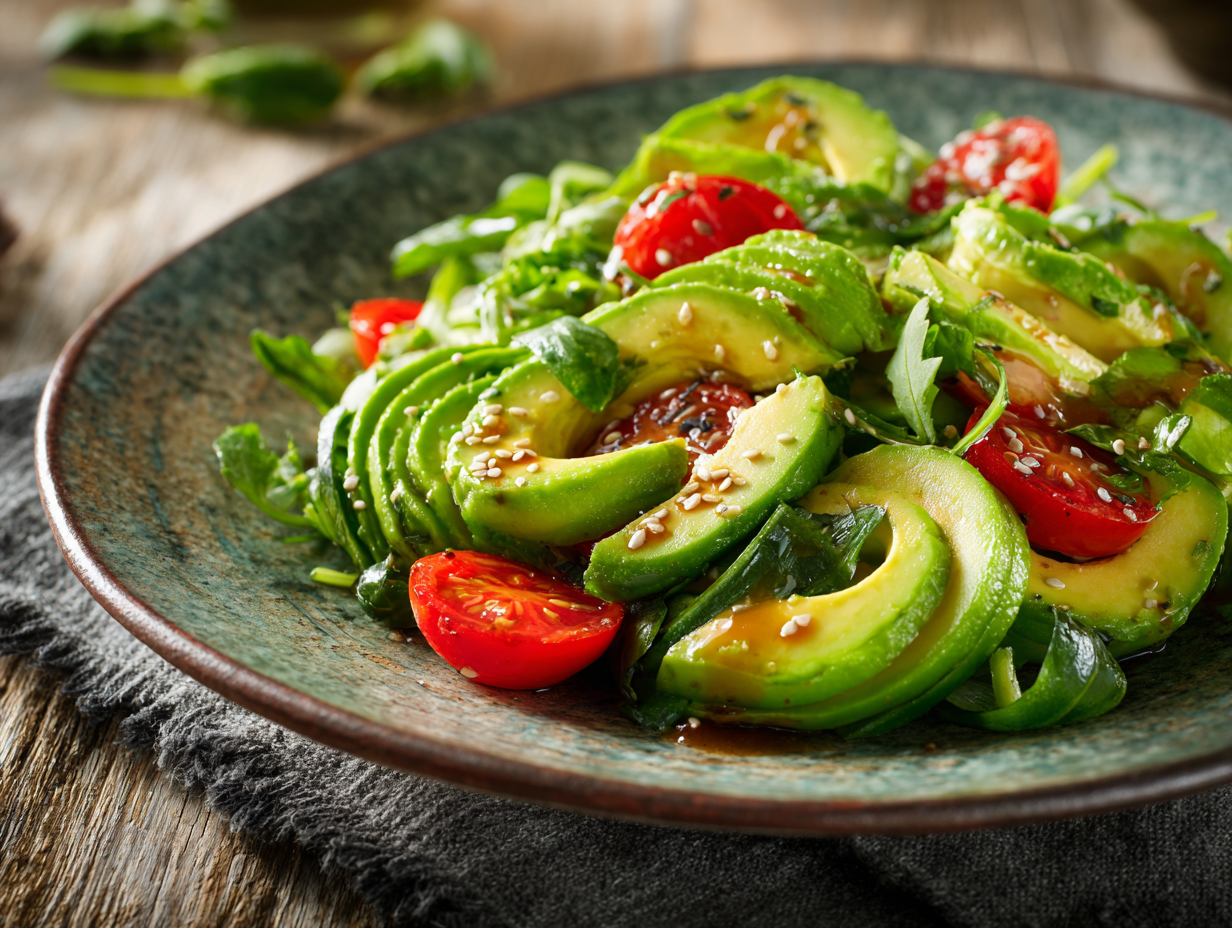
Asian sesame dressing is incredibly versatile. I often drizzle it over fresh greens, like a crisp avocado salad, for lunch. It also pairs beautifully with grilled vegetables or protein dishes such as grilled chicken. Its nutty, slightly sweet flavor elevates even simple meals.
For a heartier option, try tossing it with cold noodles or roasted sweet potatoes. You can even use it as a marinade for tofu or salmon. Combining the dressing with a light vinaigrette, like lemon dressing, adds an extra layer of brightness. This flexibility makes Asian sesame dressing a go-to recipe in my kitchen, perfect for busy weeknights or weekend gatherings.
Storage, Shelf Life, and Meal Prep Tips
Asian sesame dressing keeps well if stored properly. Pour it into an airtight glass container and refrigerate. It will stay fresh for up to one week. Always give it a good shake before using, as natural separation may occur.
For meal prep, make a larger batch at the start of the week. It can be portioned into small containers for quick salads, roasted vegetables, or noodle bowls. To maintain maximum flavor, avoid adding water until ready to serve, and toast extra sesame seeds to sprinkle on top for garnish.
For more on preserving oils and dressings, see the Cleveland Clinic guide. Following these tips ensures your Asian sesame dressing remains fresh, flavorful, and ready to transform any meal.
FAQ Section
1. What is Asian Sesame Dressing made of?
Asian sesame dressing is made with toasted sesame oil, soy sauce, rice vinegar, a sweetener like honey or maple syrup, garlic, ginger, and toasted sesame seeds. Some variations add tahini or mayonnaise for creaminess. These ingredients combine to create a nutty, tangy, and slightly sweet flavor perfect for salads, noodles, and grilled vegetables.
2. What salad dressing can diabetics have?
Diabetics can enjoy Asian sesame dressing by using sugar-free sweeteners or a minimal amount of honey. Opting for low-sodium soy sauce and fresh ingredients like vinegar and citrus helps maintain flavor without spiking blood sugar. Pairing it with fresh greens or lean proteins ensures a balanced and diabetic-friendly meal.
3. How do you make Japanese sesame dressing?
Japanese sesame dressing is essentially a variation of Asian sesame dressing. It typically uses toasted sesame seeds, sesame oil, soy sauce, rice vinegar, and sugar or honey. Some recipes include mayonnaise or mirin for a creamy, slightly sweet flavor. Whisk all ingredients together until smooth and adjust sweetness or tanginess to taste.
4. What is the unhealthiest dressing for salad?
The unhealthiest salad dressings are those high in saturated fats, sugar, and artificial additives, such as creamy ranch, blue cheese, or store-bought sweet vinaigrettes. Unlike these options, Asian sesame dressing is nutrient-rich and lighter, especially when made from scratch with fresh ingredients, making it a healthier alternative.

Asian Sesame Dressing
Ingredients
Equipment
Method
- Toast sesame seeds in a dry pan over medium heat until golden and fragrant.
- In a bowl, whisk together sesame oil, soy sauce, rice vinegar, and honey.
- Add minced garlic and grated ginger, then mix well.
- Slowly whisk in water if you prefer a lighter consistency.
- Stir in toasted sesame seeds and optional chili flakes.
- Taste and adjust sweetness, salt, or acidity as needed.
- Serve immediately or store in the refrigerator.