
There’s something magical about the way a pot of soup can fill a home with warmth. For me, this authentic Italian minestrone soup recipe brings back memories of my grandmother’s kitchen — where fresh vegetables, olive oil, and love simmered together in perfect harmony. Now, in my San Diego kitchen, I recreate that same comfort with a blend of Italian tradition and California freshness. Each spoonful is a taste of home — hearty, wholesome, and deeply satisfying. Whether it’s a chilly evening or a busy weeknight, this classic minestrone proves that simple ingredients can create unforgettable flavor.
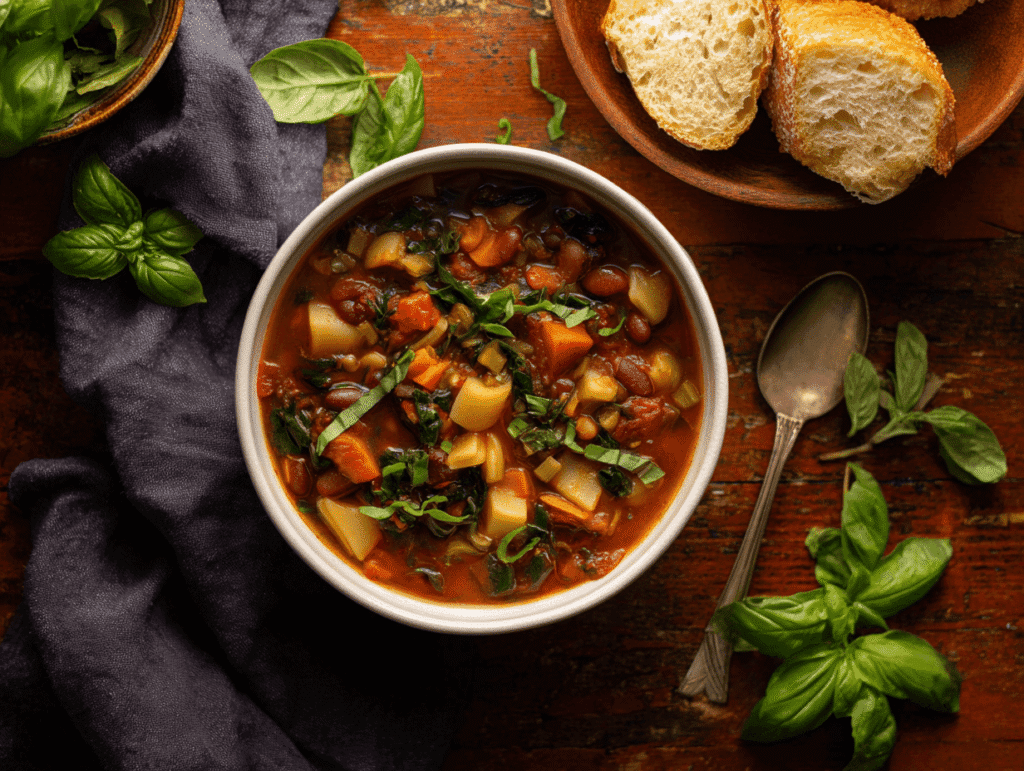
Table of Contents
Table of Contents
The Heart of Minestrone – A Taste of Italian Tradition
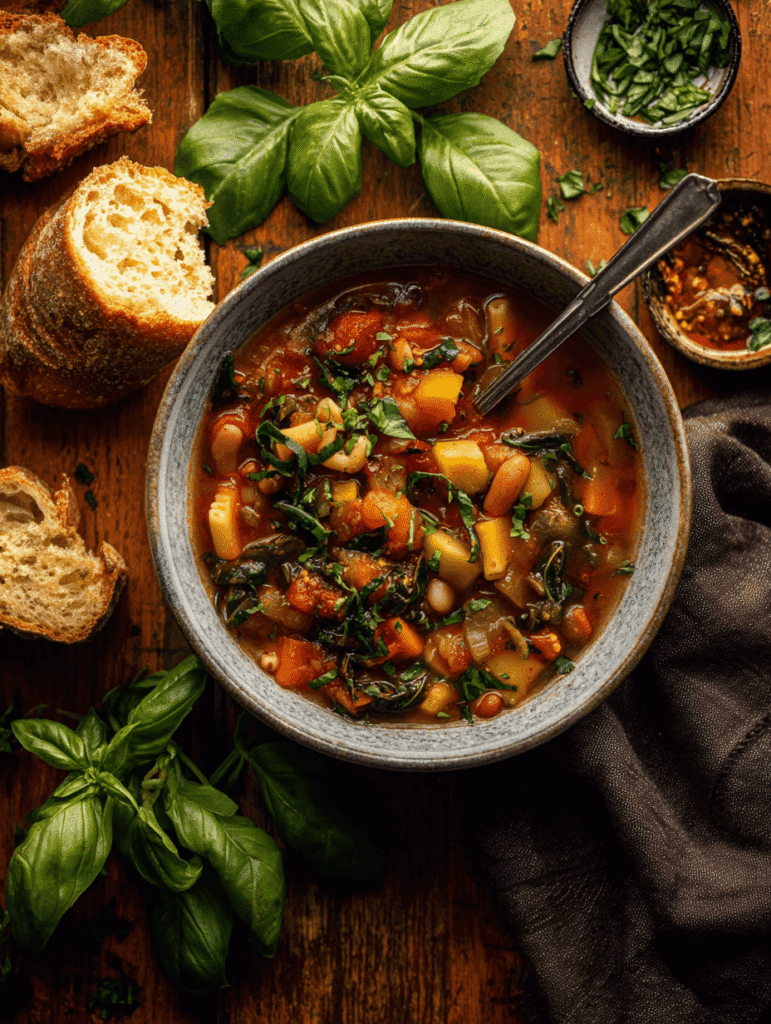
Minestrone has been Italy’s comforting bowl for centuries, tracing its origins back to ancient Rome, when humble vegetables, grains, and beans formed the cornerstone of every meal. As time passed, each region added its own personality — in Tuscany, you’ll find a thick, stew-like version rich with beans; in Liguria, it’s lightened with a spoonful of fragrant pesto. No matter where it’s made, minestrone remains a celebration of simplicity and seasonality.
This authentic Italian minestrone soup recipe stays true to that timeless spirit, bringing together garden-fresh vegetables, tender beans, and a rich tomato broth that warms you from the inside out.
Recipe Highlights
- Wholesome and nourishing: Brimming with fiber, plant-based protein, and vitamins.
- Adaptable: A flexible recipe that welcomes whatever produce you have.
- Comforting: The perfect one-pot meal for cozy nights in any season.
- Make-ahead friendly: Freezes beautifully for effortless, hearty meals all week long.
For more cozy Italian comfort, try my Italian Penicillin Soup Recipe — warm, hearty, and full of flavor.
Ingredients That Bring the Magic Together
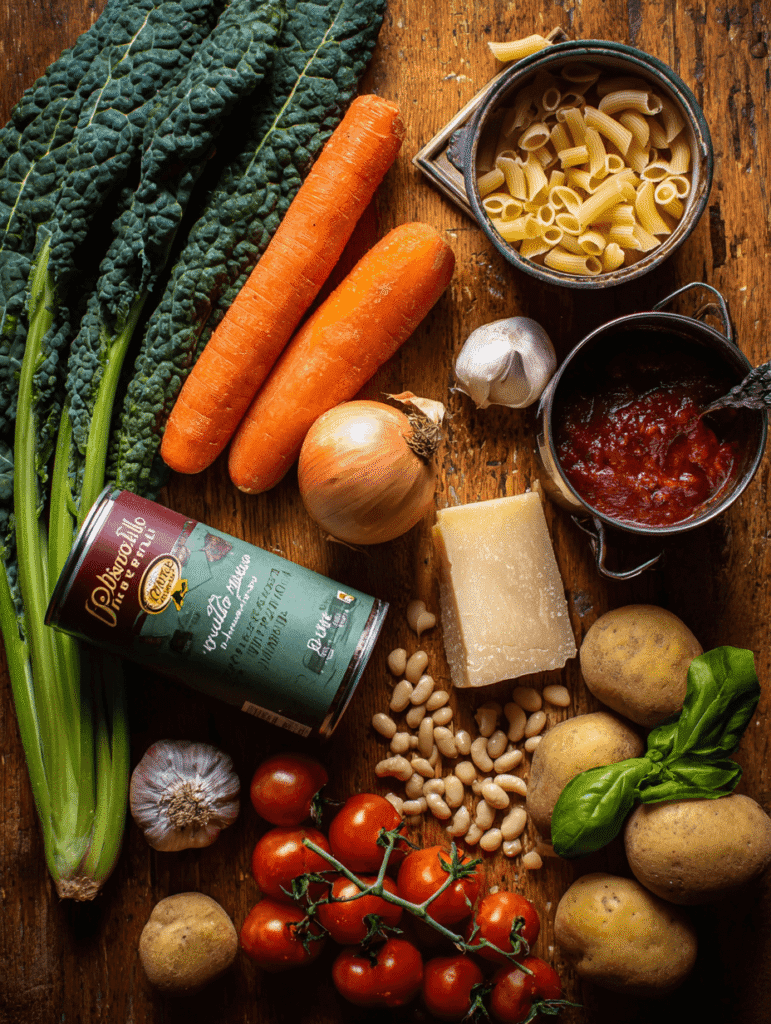
The beauty of an authentic Italian minestrone soup recipe is that it’s forgiving and flexible. Each ingredient adds something special — depth, texture, or freshness — but it’s the harmony between them that makes this dish unforgettable.
Here’s what you’ll need to make a truly comforting pot of homemade minestrone:
Base Ingredients
- Olive oil: The heart of Italian cooking, it gives the soup richness and helps develop flavor.
Substitute: Avocado or grapeseed oil. - Onion, carrot, and celery: This classic trio — known as soffritto — builds the aromatic foundation.
Substitute: Try shallots or leeks for a softer flavor. - Garlic: Adds warmth and depth.
Substitute: Use ½ teaspoon of garlic powder per clove in a pinch.
Vegetables
- Zucchini: Brings a light, fresh note and soft texture.
Substitute: Yellow squash or chopped green beans. - Canned diced tomatoes: The tangy tomato base ties everything together.
Substitute: Use crushed fresh tomatoes or tomato passata for a smoother texture. - Spinach: Adds color, nutrients, and balance.
Substitute: Kale, Swiss chard, or even baby arugula for a peppery touch.
Protein & Hearty Additions
- Cannellini beans: Creamy, mild, and full of protein.
Substitute: Navy beans, great northern beans, or kidney beans. - Small pasta (like ditalini or elbow): Gives the soup body and a satisfying bite.
Substitute: Orzo, small shells, or even rice if you prefer a grain-based version.
Flavor Builders
- Vegetable broth: Keeps the soup light yet flavorful.
Substitute: Chicken broth or homemade stock for added richness. - Thyme & bay leaf: Earthy herbs that create depth in every spoonful.
Optional Additions: A sprig of rosemary or a pinch of Italian seasoning.
Finishing Touches
- Parmesan cheese: Adds that classic savory umami flavor.
Substitute: Nutritional yeast for a vegan-friendly finish. - Salt & pepper: Adjust to taste — balance is key in every Italian kitchen.
- Optional: Add a Parmesan rind to the pot while simmering for an extra layer of depth — a secret Italian trick for richer broth.
Pro Tip: Minestrone is meant to evolve with the seasons. In summer, add fresh basil and peas. In winter, go heartier with potatoes, cabbage, or butternut squash.
Love the tomato base? You’ll enjoy my Tomato Soup Recipe with Fresh Tomatoes for its bright, rustic taste.
How to Make Authentic Italian Minestrone Soup
There’s something timeless about the way Italians build flavor — slow, layered, and deeply satisfying. This authentic Italian minestrone soup recipe follows that same tradition. Each step is simple, yet together, they create a bowl that’s rich, rustic, and full of heart.
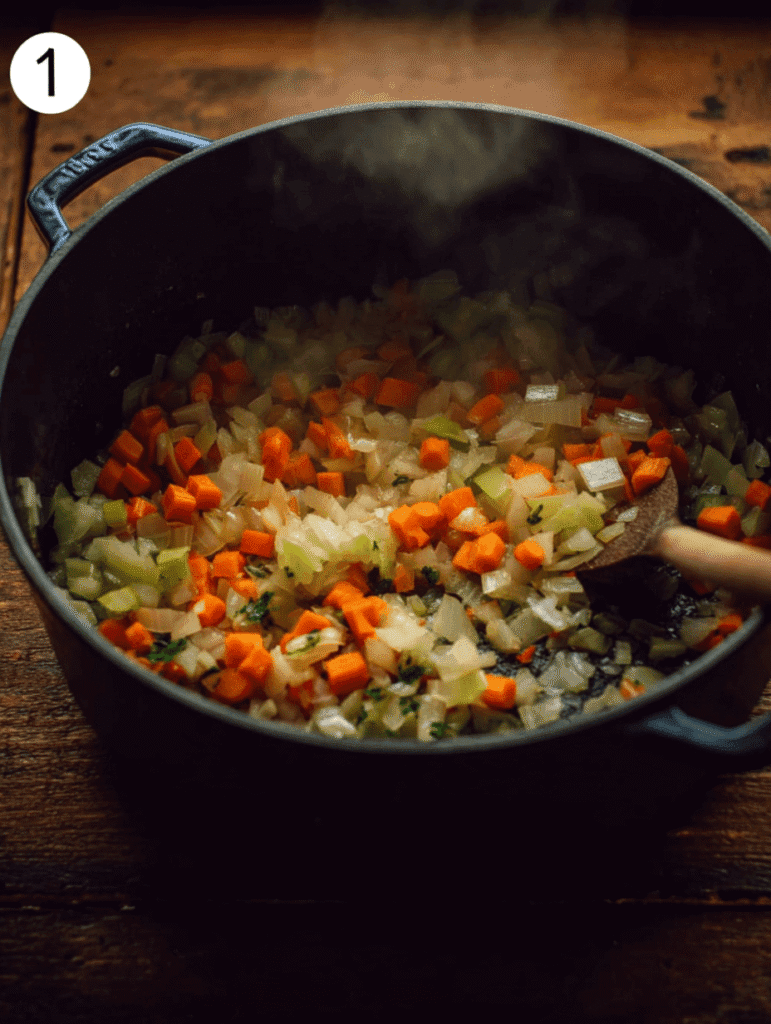
1. Start with the Soffritto (Your Flavor Foundation)
The magic begins here.
- Heat 2 tablespoons of olive oil in a large pot over medium heat.
- Add finely chopped onion, carrot, and celery — this trio is the heart of every good minestrone.
- Sauté gently for about 8–10 minutes, until the vegetables soften and release their aroma.
Tip: Don’t rush this part — a slow, steady cook gives your soup its signature depth and warmth.
2. Add Garlic and Herbs
Once your base is fragrant, stir in:
- 3 cloves of minced garlic
- 1 teaspoon of thyme
- 1 bay leaf
Let them cook for about a minute, just long enough to release their flavors without burning the garlic.
3. Add the Vegetables and Beans
Now it’s time to build body and color:
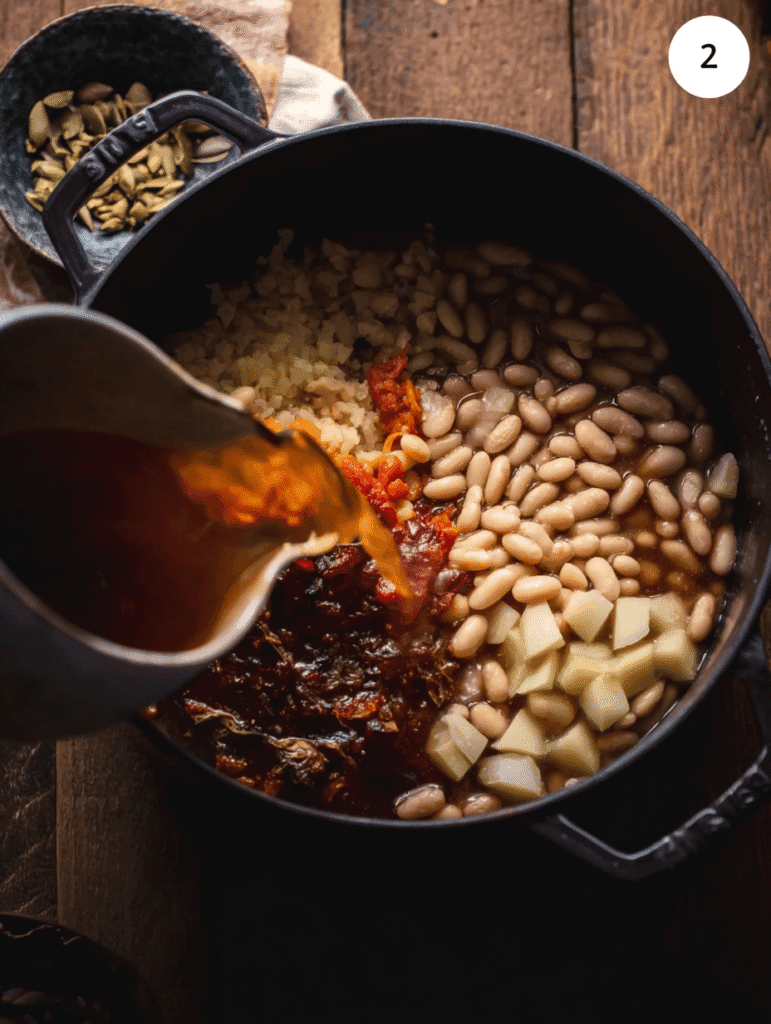
- Stir in 1 diced zucchini, 1 can (15 oz) diced tomatoes, and 1 can (15 oz) cannellini beans (rinsed and drained).
- Pour in 5 cups of vegetable broth and mix everything together.
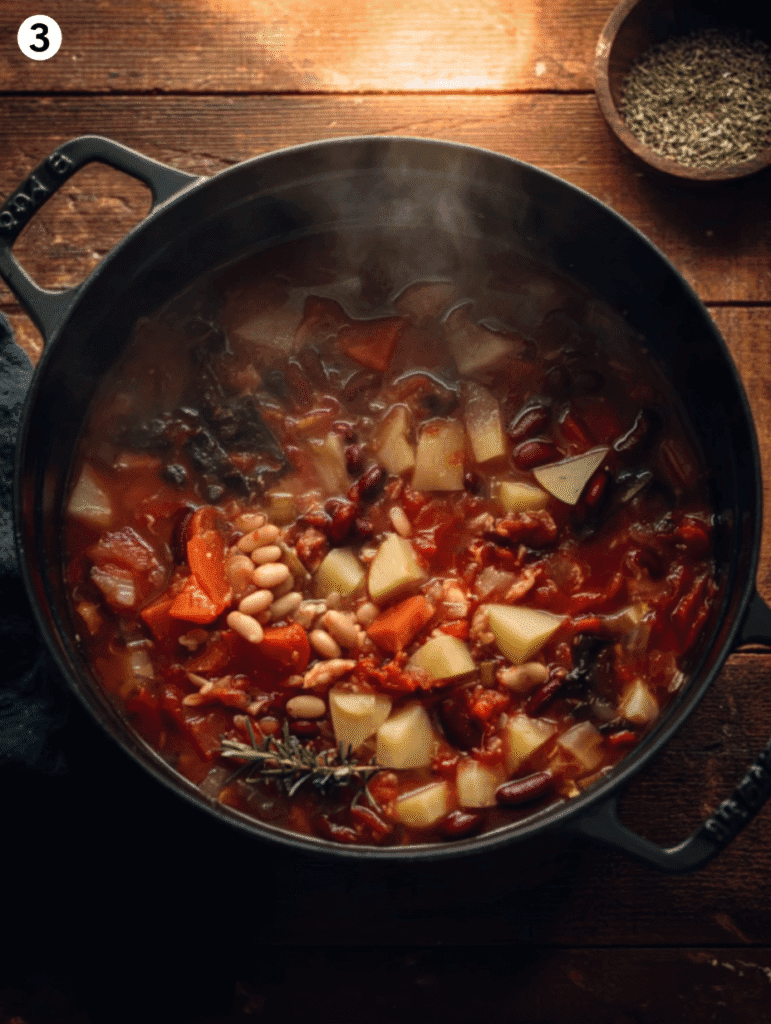
- Bring to a gentle boil, then reduce to low heat and simmer for 25–30 minutes.
Tip: Drop in a Parmesan rind while it simmers — a traditional Italian secret for incredible flavor.
4. Add the Pasta
When your soup smells heavenly and the vegetables are tender:
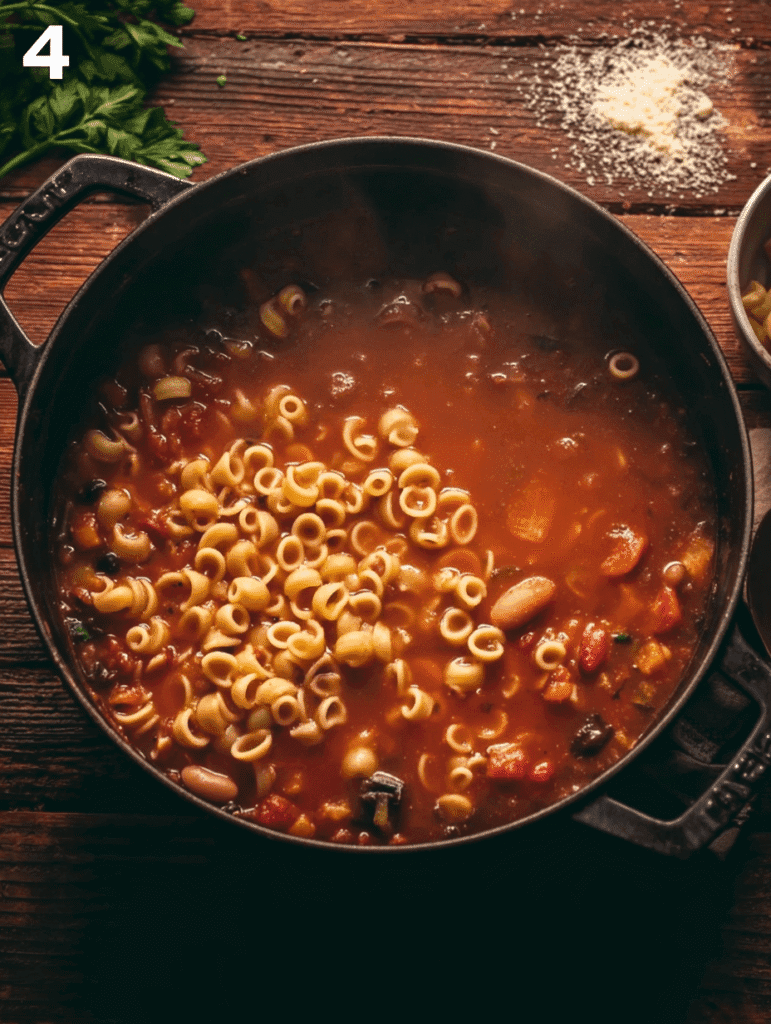
- Stir in 1 cup of small pasta (like ditalini or elbow).
- Cook until the pasta is just al dente — usually 8–10 minutes.
Tip: If you like a thicker soup, mash a few beans against the pot’s side before serving — it naturally thickens the broth.
5. Finish with Greens and Love
- Turn off the heat and add 2 cups of fresh spinach.
- Let it wilt from the soup’s warmth.
- Season to taste with salt and pepper.
Ladle into bowls, drizzle with a touch of olive oil, and finish with freshly grated Parmesan.
Pro Tips for the Best Minestrone
- Use what’s in season: Minestrone changes with the market — that’s its beauty.
- Keep the pasta firm: It continues to soften after cooking.
- Add spice if you like: A pinch of red pepper flakes adds gentle warmth.
- Make ahead: The flavor deepens overnight, making it even better the next day
Craving more Italian classics? My Pastina Soup Recipe makes the perfect cozy companion.
Tips, Variations & Dietary Adaptations
One of the most wonderful things about authentic Italian minestrone soup is that it’s endlessly adaptable. Whether you’re cooking for comfort, health, or dietary needs, this recipe can easily become your own. Here’s how to make it perfect for you — no matter your lifestyle.
Tips for Perfect Minestrone
- Layer flavor, don’t rush it: Each step — especially the soffritto — builds depth. Slow cooking brings out the natural sweetness of the vegetables.
- Balance the texture: A great minestrone should be thick enough to hold a spoon upright, yet brothy enough to sip comfortably.
- Use quality broth: Since broth makes up most of the liquid, use homemade or low-sodium vegetable broth for the best taste.
- Let it rest: Like many Italian dishes, this soup tastes even better the next day as the flavors meld together.
- Add freshness before serving: A drizzle of olive oil or a squeeze of lemon juice right before serving brightens the flavor beautifully.
Delicious Variations
- Tuscan-Style Minestrone: Add diced potatoes and a few tablespoons of tomato paste for a richer, thicker texture.
- Ligurian-Style Minestrone: Stir in a spoonful of pesto before serving for a burst of herby freshness.
- Winter Minestrone: Swap zucchini for butternut squash, cabbage, or kale — hearty and comforting for cold days.
- Spring Minestrone: Use peas, green beans, and fresh basil to lighten the flavors.
High-Protein Options
Minestrone is naturally full of plant-based protein from beans, but you can easily boost it:
- Add lentils or chickpeas for extra fiber and protein.
- Stir in quinoa instead of pasta for a complete protein.
- For a non-vegetarian twist, mix in shredded chicken or lean turkey.
If you’re following a high-protein diet for weight loss, these additions make it more filling while keeping calories balanced.
Vegan Adaptation
- Skip the Parmesan or replace it with nutritional yeast for a savory, cheesy flavor.
- Use olive oil instead of butter for sautéing (if your recipe variation includes it).
- Double up on beans for an extra creamy, satisfying texture.
Gluten-Free Version
- Use gluten-free pasta or rice instead of traditional wheat pasta.
- Be sure to check that your broth and canned beans are labeled gluten-free.
Low-Sodium Option
- Choose no-salt-added canned tomatoes and low-sodium broth.
- Use herbs like basil, oregano, or rosemary to enhance flavor naturally.
Minestrone’s beauty lies in its versatility — it welcomes creativity. Whether you’re keeping it traditional or adjusting it to your needs, every version carries that same soul-warming essence of Italy.
Add extra plant-based protein with the Easy Lentil Soup Recipe — simple, hearty, and satisfying.
Storage, Freezing & Reheating Your Authentic Italian Minestrone Soup Recipe
One of the best things about an authentic Italian minestrone soup recipe is how beautifully it keeps. The flavors deepen over time, transforming every reheated bowl into an even richer experience. Whether you’re saving leftovers for tomorrow or planning ahead for the week, minestrone remains comforting, wholesome, and just as delicious as the day it was made.
How to Store Authentic Italian Minestrone Soup
Keeping your authentic Italian minestrone soup fresh is easy when stored correctly:
- Cool completely before storing: Let the soup rest at room temperature, then transfer it into airtight containers. It stays fresh in the refrigerator for up to 4 days.
- Store pasta separately: To keep the texture just right, store cooked pasta in a different container. Add it back when reheating to prevent sogginess.
- Stir before serving: Minestrone thickens as it chills. When reheating, stir in a splash of broth or water to bring it back to its perfect consistency.
Pro Tip: Always taste after reheating — a drizzle of olive oil or a pinch of salt revives the flavors instantly.
Freezing Minestrone Soup
This authentic Italian minestrone soup recipe freezes wonderfully, making it ideal for batch cooking or cozy meal prep.
- Skip the pasta before freezing: Pasta doesn’t freeze well and can become mushy, so freeze the soup without it.
- Cool and portion: Let the soup cool fully, then pour it into freezer-safe containers or resealable bags, leaving room for expansion.
- Label and store: Freeze for up to 3 months. Don’t forget to label each container with the date and portion size for easy grab-and-go meals.
When you’re ready to enjoy it again, thaw the soup overnight in the refrigerator or gently defrost it in the microwave before reheating.
Reheating Authentic Italian Minestrone Soup
Bringing your authentic Italian minestrone soup back to life is simple and quick:
- Stovetop method: Reheat over medium heat until warm throughout, stirring occasionally. Add broth if it’s too thick.
- Microwave method: Warm individual portions in a microwave-safe bowl for 2–3 minutes, stirring halfway through.
- From frozen: Thaw completely before reheating. If in a hurry, use the microwave’s defrost setting first, then heat as usual.
Helpful Reheating Tips
- Always season to taste after reheating — flavors mellow as the soup cools.
- Add delicate greens like spinach or basil at the end for a fresh finish.
- Top with grated Parmesan, red pepper flakes, or a squeeze of lemon juice to bring brightness back to the bowl.
Why Minestrone Tastes Better the Next Day
Part of what makes this authentic Italian minestrone soup recipe so special is that time enhances it. As it rests, the beans, vegetables, and herbs mingle, deepening the flavor naturally. That’s why many Italians say the second bowl is even better than the first.
So don’t hesitate to make extra — your future self will thank you when you pull a perfectly preserved, homemade Italian minestrone from the fridge or freezer on a busy weeknight.
Explore my High Protein Soup Recipes for nourishing, filling soups perfect for any meal plan.
Serving Suggestions & Pairings for Authentic Italian Minestrone Soup Recipe
The best part about an authentic Italian minestrone soup recipe is that it fits beautifully into any meal. Whether served as a cozy main dish or a flavorful starter, this soup pairs perfectly with simple sides and comforting textures that bring balance to your table.
How to Serve Authentic Italian Minestrone Soup
Minestrone is meant to be enjoyed slowly — each spoonful carrying layers of warmth and heart. To serve it the Italian way:
- Finish with olive oil: A drizzle of extra virgin olive oil gives the soup a smooth, rich finish.
- Top with cheese: Freshly grated Parmesan or Pecorino Romano melts beautifully and adds savory depth.
- Add a little crunch: Homemade croutons or a spoonful of basil pesto add texture and freshness.
- Serve with bread: A slice of rustic sourdough, focaccia, or garlic bread is perfect for soaking up the broth.
For a balanced meal, pair your Italian minestrone soup with a crisp side salad or a light vegetable dish — something that complements the soup’s hearty, tomato-rich base without overpowering it.
Perfect Pairings for Minestrone Soup
To turn your authentic Italian minestrone soup recipe into a memorable meal, try serving it with:
- Wine Pairings:
- A medium-bodied Chianti or Sangiovese enhances the earthy tomato and herb flavors.
- If you prefer white wine, a bright Pinot Grigio or Vermentino provides a clean, refreshing contrast.
- Salad Ideas:
- A simple Caesar Salad with crunchy lettuce and creamy dressing.
- A Mediterranean-style salad with cucumbers, olives, and feta adds vibrant contrast.
- Side Dishes:
- Grilled vegetables such as eggplant, bell peppers, or zucchini continue the rustic Italian theme.
- Antipasto platters with marinated olives, roasted peppers, and cured meats make a complete, inviting spread.
When to Serve Minestrone Soup
This classic minestrone soup is truly an all-season favorite:
- Winter: Enjoy it hot with extra beans or diced potatoes for a thicker texture.
- Spring: Add tender peas, asparagus, or fresh basil to celebrate seasonal greens.
- Summer: Serve slightly cooled with a squeeze of lemon juice for a lighter feel.
- Fall: Swap in butternut squash, kale, or cabbage for a deeply satisfying bowl.
No matter the season, the comforting aroma of simmering vegetables and herbs makes this soup feel like home.
Presentation Tips
- Serve your authentic Italian minestrone soup in warm bowls or rustic pottery for an inviting, homemade look.
- Garnish with a sprinkle of Parmesan, a swirl of pesto, or a few basil leaves for color and aroma.
- Pair it with a simple dessert like tiramisu or lemon cake to complete the meal with an Italian touch.
Minestrone isn’t just a soup — it’s an experience. It tells the story of Italian kitchens, where simple, honest ingredients become something extraordinary. Whether shared with family or enjoyed alone by the window on a cool evening, this authentic Italian minestrone soup recipe brings comfort, tradition, and heart to every bowl.
Celebrate the season with my Fall Soup Recipes — every bowl feels like home.
Frequently Asked Questions About Authentic Italian Minestrone Soup Recipe
Before we wrap up this comforting journey through Italy’s most beloved soup, let’s answer some of the most common questions people have about minestrone, especially when it comes to protein and nutrition. These quick, practical answers will help you enjoy your authentic Italian minestrone soup recipe to the fullest — no matter your dietary goals.
Which soup is rich in protein?
Soups that include beans, lentils, or lean meats are naturally rich in protein. An authentic Italian minestrone soup recipe is a great example — it’s packed with plant-based protein from cannellini or kidney beans. For even more protein, you can add chickpeas, quinoa, or shredded chicken. These ingredients make minestrone not just hearty and satisfying, but also nourishing and energizing.
2. What can I add to soup for more protein?
Adding protein to soup is simple and flexible. You can include:
Legumes: Chickpeas, lentils, or black beans for plant-based protein.
Grains: Quinoa, barley, or farro to add both protein and texture.
Animal protein: Shredded chicken, turkey, or even diced tofu for a vegetarian option.
For your authentic Italian minestrone soup recipe, stirring in a bit of cooked quinoa or lentils is a seamless way to make it extra filling without changing its flavor.
Are soups good for protein?
Yes! Soups are an excellent way to get balanced protein, fiber, and hydration in one bowl. A classic minestrone soup made with beans and vegetables naturally provides protein along with essential vitamins and minerals. Unlike heavier meals, soups are light yet satisfying — perfect for those who want nutrition without feeling weighed down.
For easy meal prep ideas, check out Freezer-Friendly Gut Healthy Soup Recipes — perfect for busy weeks.
How to make soup high protein for weight loss?
To make your authentic Italian minestrone soup recipe higher in protein while keeping it low in calories:
Use extra beans or lentils for plant-based protein.
Add lean meats like grilled chicken or turkey.
Replace pasta with quinoa or farro, which are higher in protein and fiber.
Avoid heavy cream or cheese-based garnishes — instead, use olive oil and fresh herbs for flavor.
This version keeps you full longer, supports muscle health, and fits beautifully into a balanced diet.
A Bowl of Comfort, A Taste of Italy
An authentic Italian minestrone soup recipe is more than a meal — it’s an experience that brings comfort, warmth, and nostalgia to the table. It’s the kind of dish that connects generations, where simple ingredients create something extraordinary. From the simmering aroma of fresh vegetables and herbs to the creamy texture of beans and pasta, every spoonful feels like home.
When I make this soup in my San Diego kitchen, I think back to the lessons from my grandmother’s kitchen in Marrakesh — that cooking isn’t just about technique, it’s about love. Whether you enjoy this soup on a quiet evening or share it with family, may it fill your kitchen with the same warmth and joy it brings mine.
So, ladle generously, pour a glass of wine, and savor the flavors of Italy — one comforting bowl at a time.
Swap spinach for kale, just like in my Kale Soup Recipe — earthy, wholesome, and delicious.
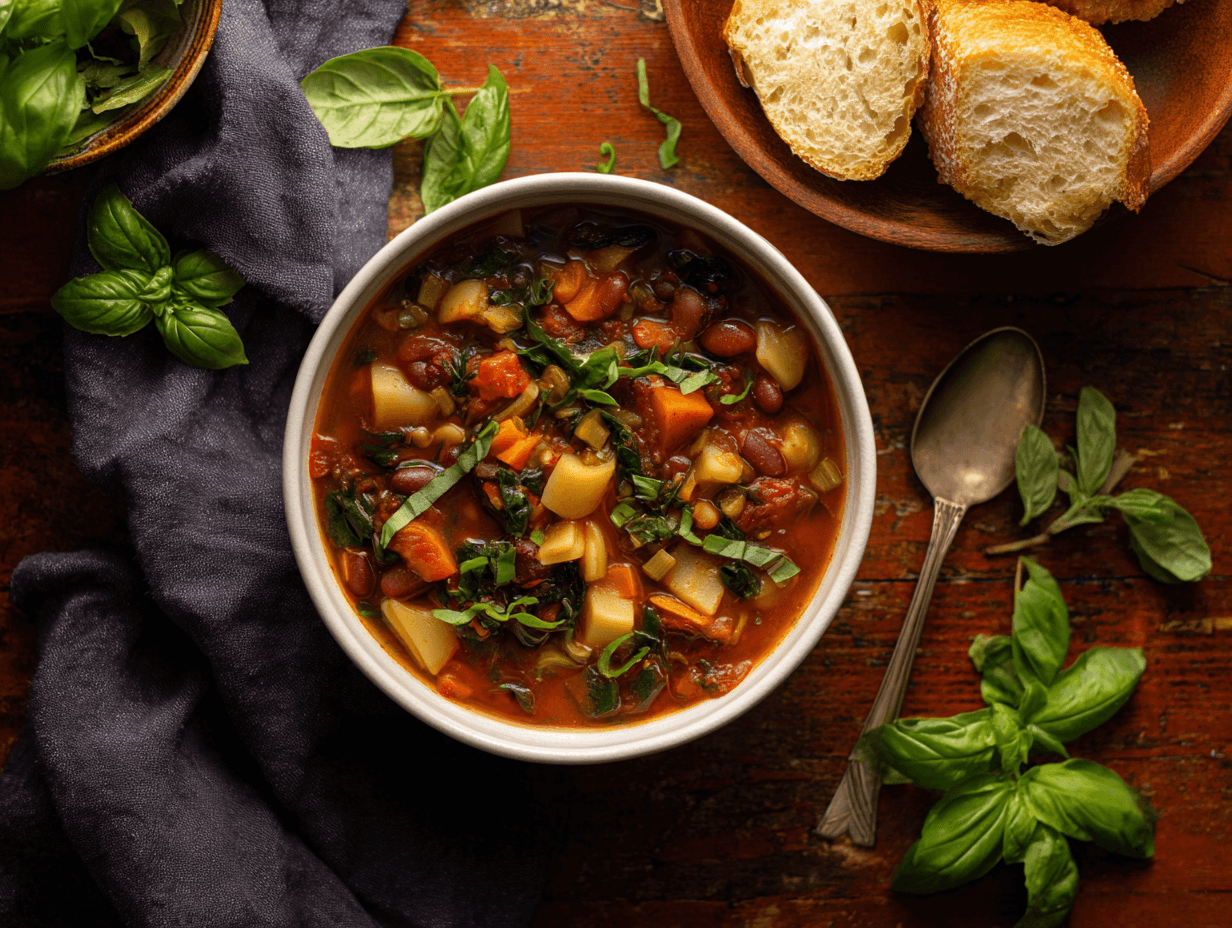

authentic italian minestrone soup recipe
Ingredients
Equipment
Method
- Heat olive oil in a large pot over medium heat. Add onion, carrots, and celery; cook for about 8 minutes until softened.
- Stir in garlic, thyme, and bay leaf. Cook for 1 minute until fragrant.
- Add zucchini, diced tomatoes, beans, and vegetable broth. Stir and bring to a simmer.
- Reduce heat and simmer for 25–30 minutes to allow flavors to blend.
- Add pasta and cook for 8–10 minutes until tender.
- Stir in spinach until wilted and season with salt and pepper.
- Serve hot topped with grated Parmesan and a drizzle of olive oil.
Nutrition
Notes
Tried this recipe?
Let us know how it was!Connect With Me
- Pinterest: Taste Bliss Recipes — discover daily comfort food inspiration.
- Facebook: Taste Bliss Recipes — join our cooking community.
- Instagram: @tasteblissrecipes — see behind-the-scenes kitchen moments.
- X (Twitter): @tastyrecipee — get my latest cooking tips and food updates.
- YouTube: Taste Bliss Recipes Channel — watch full recipe tutorials.
- TikTok: @tasteblissrecipes — enjoy fun, quick cooking videos.