
High-protein Japanese yogurt cheesecake gives you that light, jiggly café-style bite while still tasting creamy and tangy. First, I’ll show you why thick yogurt and a few smart mix-ins create a real cheesecake vibe without a heavy feel. Next, you’ll learn which yogurts work best, plus easy swaps for low-sugar and gluten-free needs. Then, I’ll walk you through the baked method for that Japanese soufflé texture, and I’ll also share a no-bake option for busy days. Finally, you’ll get serving, storage, and make-ahead tips so every slice stays smooth.
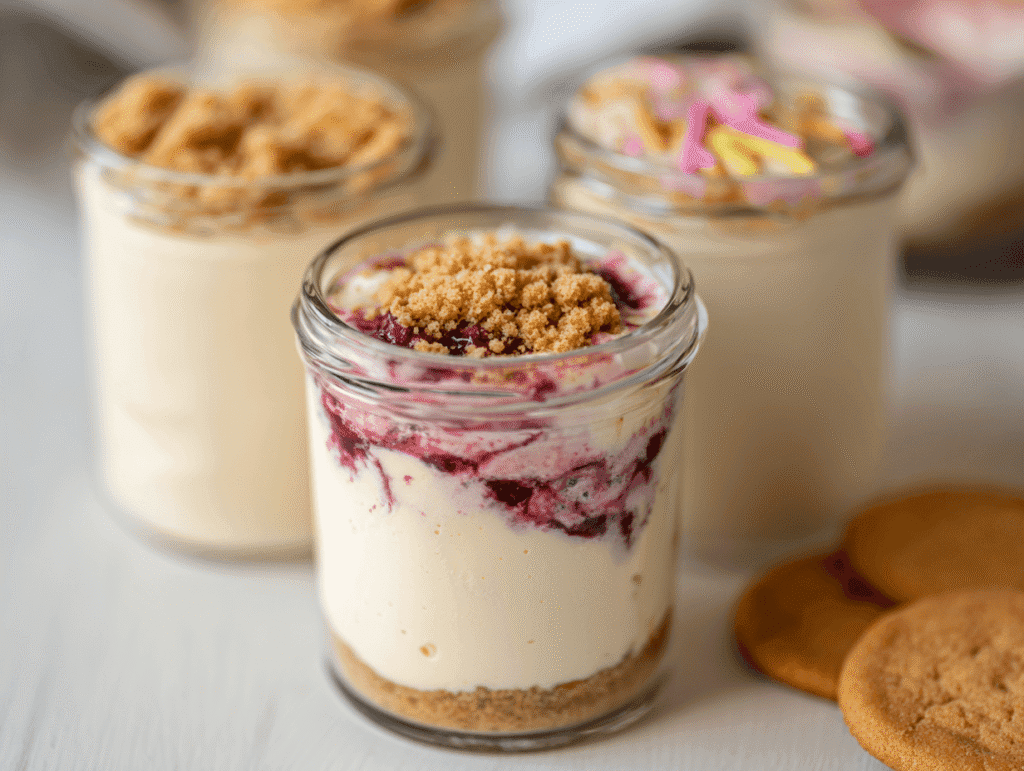
Table of Contents
Table of Contents
PART 1: High-Protein Japanese Yogurt Cheesecake Essentials
What Makes High-Protein Japanese Yogurt Cheesecake Different
High-protein Japanese yogurt cheesecake stands apart because it focuses on airiness rather than density. Traditional American cheesecakes rely heavily on cream cheese and butter, which create richness but also weight. Japanese-style versions lean into whipped structure, gentle sweetness, and balance, drawing inspiration from techniques used in Japanese soufflé desserts that prioritize light texture and careful aeration, as explained by the Japanese culinary approach to sponge and soufflé cakes from Just One Cookbook .
When yogurt replaces most of the cream cheese, the texture turns noticeably lighter and cleaner on the palate. Yogurt’s natural protein structure helps support this softness while keeping the dessert more digestible, a benefit often highlighted in discussions of Greek yogurt’s nutritional and functional properties by Harvard Health Publishing .
Japanese desserts often aim for harmony, and this cheesecake follows that idea. The yogurt adds subtle tang while keeping the cake moist. Greek or strained yogurt increases protein naturally, which means you don’t need powders or additives. This approach mirrors other light desserts on Taste Bliss Recipes, especially yogurt-based treats that prioritize texture over excess richness.
Unlike baked New York cheesecakes, this version doesn’t feel heavy after a few bites. Each forkful melts quickly, which explains why Japanese cafés serve smaller slices with tea rather than oversized wedges.
Why Yogurt Creates a High-Protein Structure That Works
Yogurt strengthens the cheesecake without weighing it down. Its natural protein supports structure once chilled or baked gently. At the same time, yogurt traps moisture, so the cake stays soft even after refrigeration.
High-protein Japanese yogurt cheesecake also benefits from controlled sweetness. Less sugar allows the yogurt flavor to shine, which pairs beautifully with vanilla or citrus zest. This balance resembles other refined desserts like Japanese cotton cheesecake, but with more nutritional value and less effort.
Because yogurt blends smoothly, you avoid lumps and overmixing. That makes this recipe forgiving for beginners. If you already enjoy lighter global desserts or protein-forward sweets, this cheesecake fits naturally into your rotation and complements other wholesome dessert ideas found throughout the site.
PART 2: Ingredients, Nutrition, and Smart Substitutions for High-Protein Japanese Yogurt Cheesecake
Choosing the Right Yogurt for High-Protein Japanese Yogurt Cheesecake
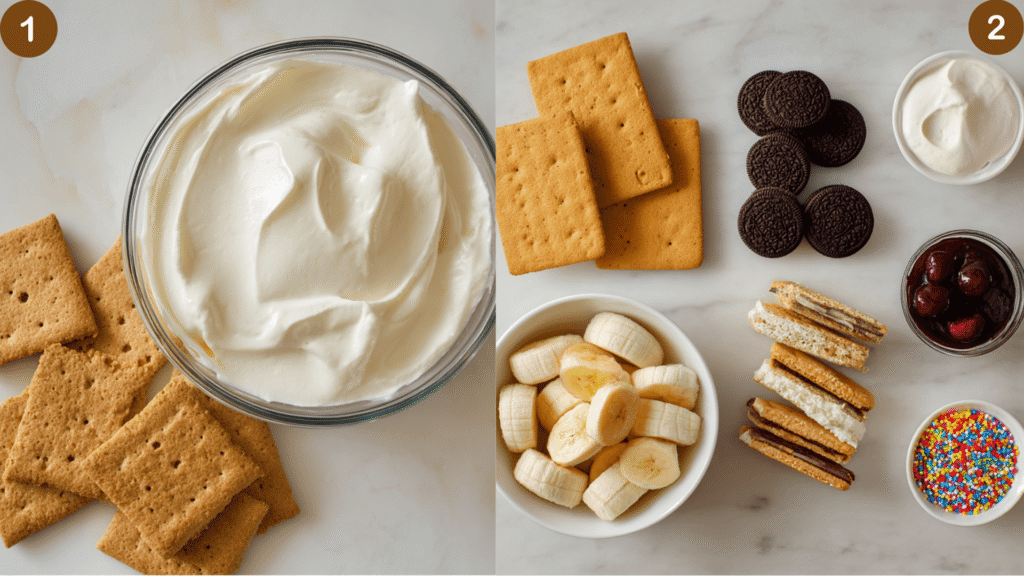
The yogurt you choose defines the final texture of a high-protein Japanese yogurt cheesecake. Thick, strained yogurt works best because it delivers protein without extra liquid. Plain Greek yogurt or Japanese-style yogurt with minimal whey creates a smooth, stable batter. You can use flavored yogurt, but you need to reduce added sweeteners to keep balance. Vanilla-flavored yogurt works best if you want a gentle aroma without overpowering the cheesecake profile.
Avoid watery yogurts unless you strain them first. Excess moisture weakens structure and dulls flavor. I often use the same yogurt principles found in lighter desserts like yogurt-based breakfast bakes on Taste Bliss Recipes, where consistency matters more than brand. The goal stays simple: creamy, clean, and protein-forward.
Eggs also play a key role. They bind the yogurt gently while adding natural richness. If you want more protein, egg whites help without adding heaviness. This approach keeps the cheesecake light, similar to Japanese soufflé-style sweets.
Sugar Levels, Gluten-Free Swaps, and Vegan Options
This high-protein Japanese yogurt cheesecake stays naturally low-sugar. Most recipes rely on just a few tablespoons of honey, maple syrup, or monk fruit sweetener. Yogurt’s tang makes heavy sweetness unnecessary. That balance mirrors other refined desserts like almond-based treats found across the site.
For a gluten-free version, simply skip the crust or use almond flour. The filling itself contains no flour. For vegan versions, use thick plant-based yogurt made from soy or almond and replace eggs with cornstarch or agar. The texture shifts slightly, but the flavor stays satisfying.
If you enjoy adaptable recipes that respect dietary needs without losing comfort, this cheesecake fits beautifully alongside other flexible desserts already featured on Taste Bliss Recipes.
PART 3: Baking vs No-Bake High-Protein Japanese Yogurt Cheesecake Methods
Do You Have to Bake This High-Protein Japanese Yogurt Cheesecake
You don’t have to bake a high-protein Japanese yogurt cheesecake, which makes it easy to adapt to different routines. Many home cooks choose the no-bake method because it feels simple and reliable. In this version, yogurt sets gently with agar or gelatin and firms up in the refrigerator. The texture stays cool, creamy, and light, which works perfectly for warmer days or quick dessert prep.
Baking offers a different experience. A low oven temperature allows the yogurt and eggs to set slowly without tightening too fast. Japanese cheesecake techniques focus on control rather than speed. This method creates a softly structured cake with a delicate crumb. If you enjoy baked sweets similar to those found in the dessert recipes category on Taste Bliss Recipes, the baked version will feel familiar and comforting without heaviness.
Both methods deliver excellent results. The choice depends on time, texture preference, and whether you want a chilled or gently baked finish.
Texture Science Behind Japanese-Style Yogurt Cheesecakes
Texture defines a high-protein Japanese yogurt cheesecake more than richness. Yogurt proteins set at lower temperatures than cream cheese, so gentle heat matters. Overbaking removes softness and tightens the crumb too quickly.
Air also shapes the final result. Folding whipped egg whites carefully adds lift, a technique commonly used in Japanese-inspired desserts. Yogurt holds moisture well, so the cheesecake stays tender even after resting overnight. That quality makes it ideal for make-ahead desserts, similar to recipes shared in the healthy recipes category on Taste Bliss Recipes.
No-bake versions rely on chilling time instead of heat. As the cheesecake rests, proteins bond slowly and evenly. This process creates a clean slice without stiffness, giving you a light, balanced dessert that still feels indulgent.
PART 4: Make-Ahead Tips, Storage, and Serving High-Protein Japanese Yogurt Cheesecake
Can You Make High-Protein Japanese Yogurt Cheesecake Ahead of Time
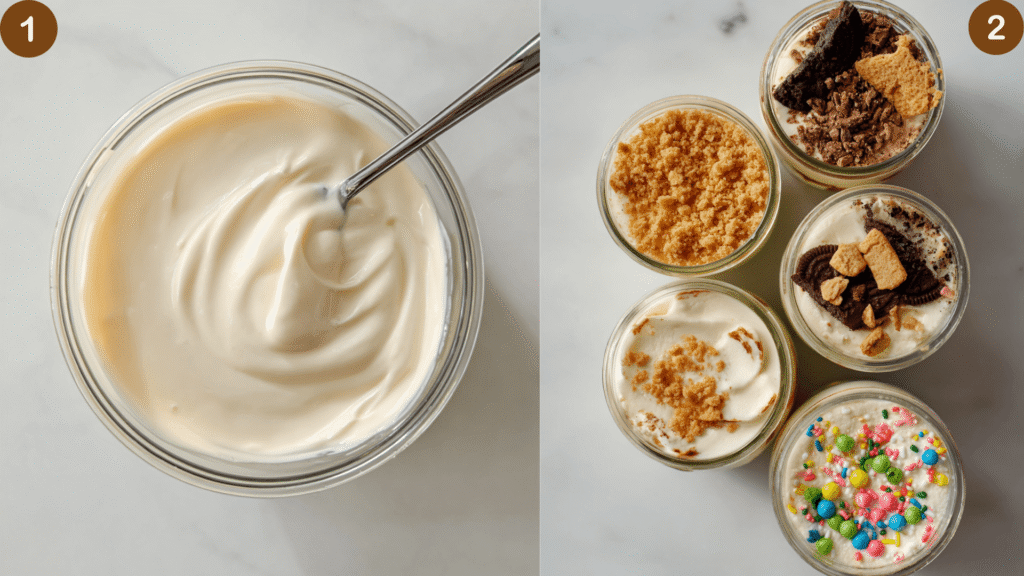
Yes, you can absolutely make a high-protein Japanese yogurt cheesecake ahead of time, and it actually improves with rest. Once chilled, the yogurt proteins settle and create a smoother, more cohesive texture. This resting period enhances flavor and structure without drying the cheesecake out.
For no-bake versions, refrigerate the cheesecake for at least four hours, though overnight works best. Baked versions benefit from cooling completely, then chilling for several hours before slicing. Yogurt retains moisture better than cream cheese, so the cheesecake stays tender even after two days. This quality makes it ideal for entertaining or weekly meal planning.
If you already enjoy preparing desserts in advance, similar to recipes found in the dessert recipes category on Taste Bliss Recipes, this cheesecake fits perfectly into that rhythm. It stores cleanly and slices beautifully when cold.
Storage, Serving Style, and Japanese Café Inspiration
Store high-protein Japanese yogurt cheesecake covered tightly in the refrigerator. It keeps well for up to three days without losing softness. Avoid freezing, as yogurt-based fillings lose their smooth texture once thawed.
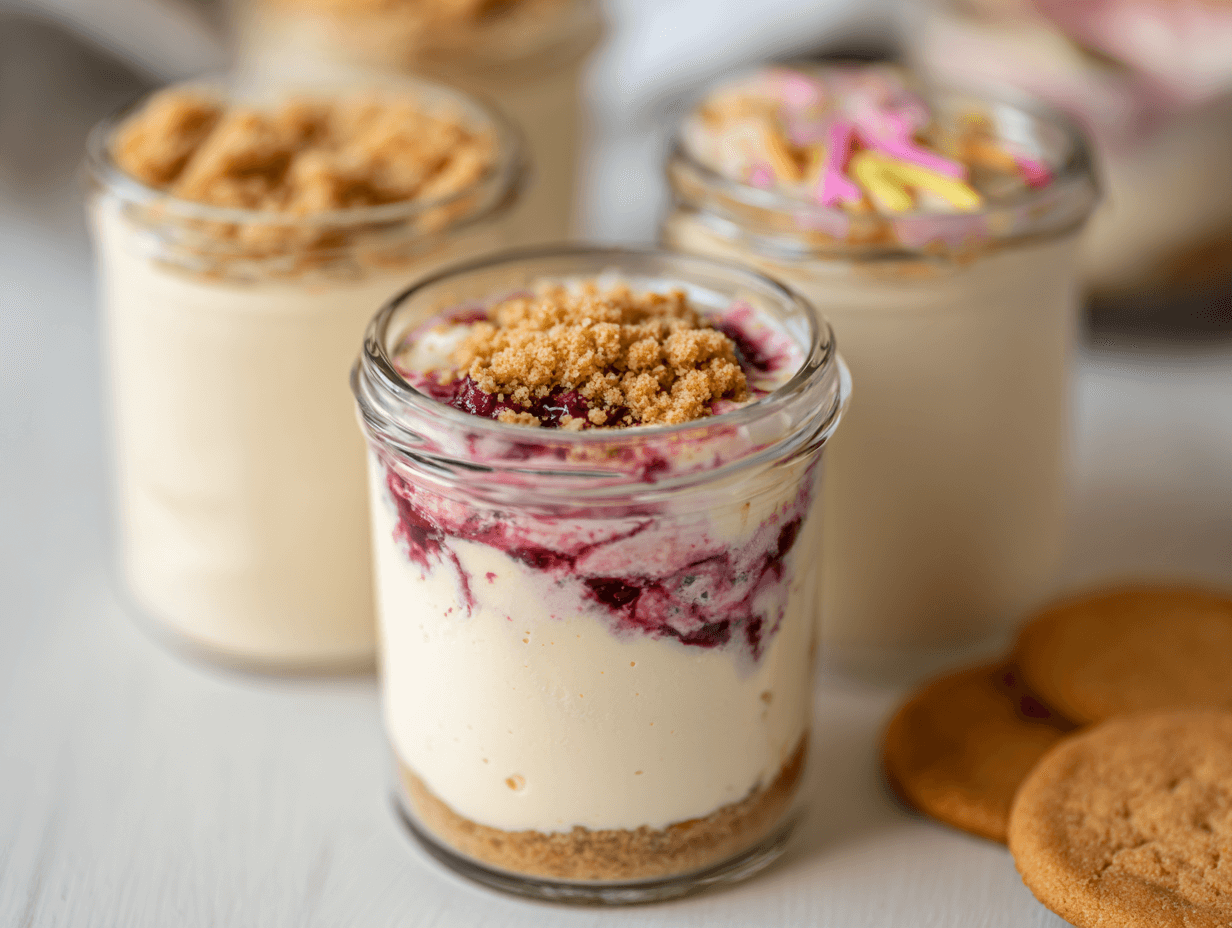
Serve the cheesecake chilled with minimal toppings. Japanese cafés often pair light desserts with simple garnishes like fresh berries, citrus zest, or a dusting of powdered sweetener. These additions highlight flavor without overpowering the delicate base.
Portion size matters. Smaller slices feel intentional and elegant, which aligns with Japanese dessert culture. This approach mirrors other refined sweets and mindful recipes found in the healthy recipes category on Taste Bliss Recipes.
Whether you serve it plain or dressed lightly, this cheesecake proves that protein-focused desserts can still feel comforting, balanced, and deeply satisfying.
Frequently Asked Questions About High-Protein Japanese Yogurt Cheesecake
Can I use flavored yogurt?
Yes, you can use flavored yogurt in high-protein Japanese yogurt cheesecake, but choose carefully. Vanilla-flavored yogurt works best because it supports the cheesecake flavor without overpowering it. If you use fruit-flavored yogurt, reduce added sweeteners to maintain balance and avoid excess sugar.
Does this actually taste like cheesecake?
It does taste like cheesecake, but lighter and cleaner. High-protein Japanese yogurt cheesecake delivers creaminess and gentle tang without the heavy richness of traditional versions. The texture feels soft and smooth, closer to Japanese café-style desserts than dense American cheesecakes.
Can I make this vegan?
You can make a vegan version using thick plant-based yogurt made from soy or almond. Replace eggs with agar or cornstarch for structure. The texture shifts slightly, but the cheesecake still feels creamy and satisfying when chilled properly.
Can I make this gluten-free?
Yes, this cheesecake is naturally gluten-free if you skip the crust. If you prefer a base, use almond flour or gluten-free cookie crumbs. The filling itself contains no flour and sets beautifully on its own.
Can I make this ahead of time?
Absolutely. High-protein Japanese yogurt cheesecake benefits from resting time. Making it a day ahead improves texture and flavor, especially for no-bake versions.
Do I have to bake this version?
No. You can choose between baked and no-bake methods. Both deliver excellent results depending on your texture preference and schedule.
Is this low-sugar?
Yes. This cheesecake uses minimal sweetener. Yogurt’s natural tang allows you to keep sugar low while still enjoying a balanced dessert.
Conclusion
High-protein Japanese yogurt cheesecake proves that dessert can feel light, nourishing, and deeply comforting at the same time. By using yogurt instead of heavy cream cheese, you get a cheesecake that fits modern eating habits without sacrificing texture or flavor. Whether you choose a baked or no-bake version, this recipe adapts easily to gluten-free, low-sugar, and even vegan needs. It’s the kind of dessert you can make ahead, serve proudly, and enjoy without guilt. If you love balanced sweets with intention and heart, this cheesecake belongs in your kitchen.

Ingredients
Equipment
Method
- 1. Preheat oven to 325°F or prepare a springform pan for no-bake version
- 2. Whisk yogurt, eggs, sweetener, vanilla, and lemon zest until smooth
- 3. Fold gently to avoid deflating the batter
- 4. Pour into prepared pan
- 5. Bake for 45 minutes or chill for 4 hours for no-bake version
- 6. Cool completely before slicing