
Miso ginger dressing is the kind of quick recipe that makes simple food taste finished. It’s savory, tangy, a little sweet, and full of fresh ginger flavor, so it works on salads, grain bowls, roasted vegetables, and even as a dip. This version comes together in about 10 minutes with pantry staples and keeps well for meal prep.
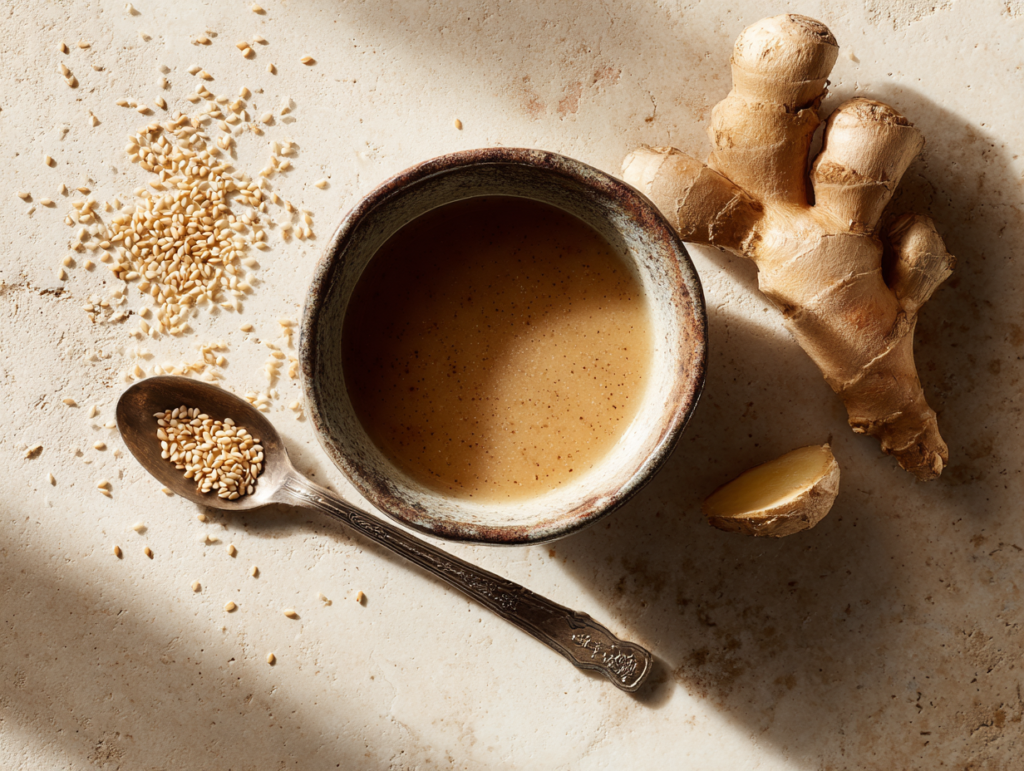
Table of Contents
Table of Contents
Why you’ll love this recipe
- It takes about 10 minutes from start to finish.
- It uses simple ingredients but tastes layered and restaurant-style.
- It works as a salad dressing, marinade, dip, or drizzle.
- It keeps well in the fridge, so it’s great for meal prep.
- You can make it sweeter, tangier, saltier, or creamier with small changes.
- It suits weeknight cooking because there’s no cooking required.
- It gives plain vegetables, rice bowls, and proteins a big flavor boost.
What this tastes like
This miso ginger dressing tastes savory first, then bright and tangy, with a warm bite from fresh ginger and a gentle sweetness at the end. White miso gives it depth without making it too intense, while rice vinegar keeps it light and lively.
It’s especially good for weekday lunches, meal-prep bowls, and simple dinners that need a fast flavor lift. It also works well when you want something fresher than a creamy dressing but more complex than a basic vinaigrette.
Ingredients
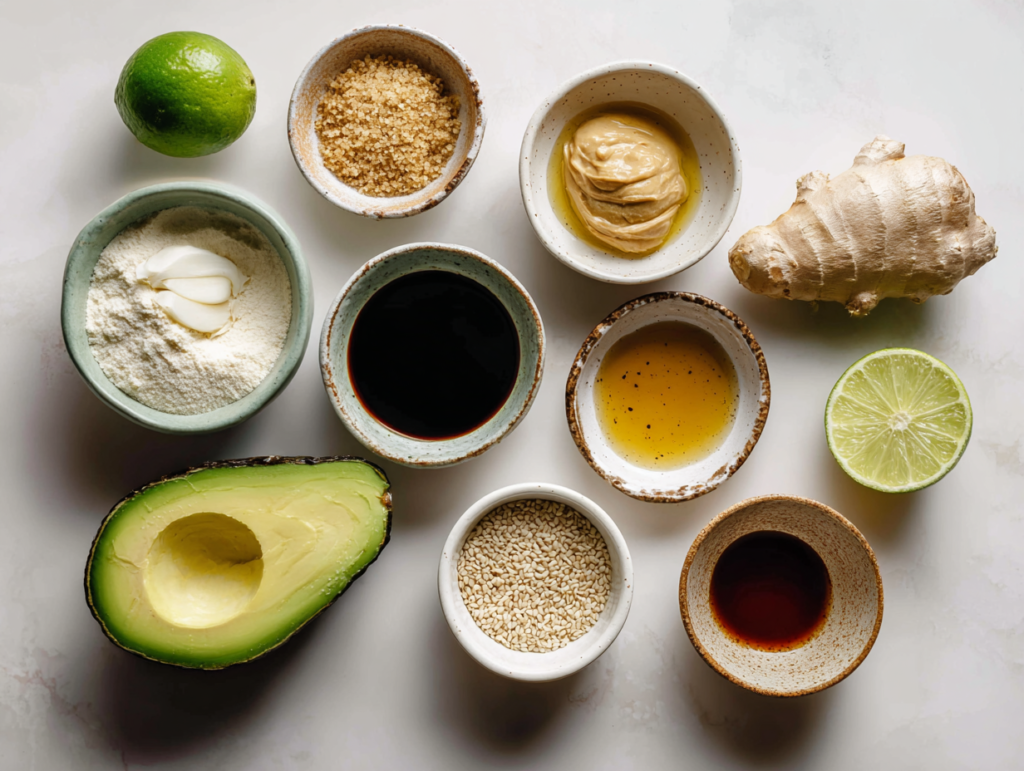
- 1/4 cup white miso paste
- 2 tablespoons rice vinegar
- 1 tablespoon low-sodium soy sauce
- 1 tablespoon toasted sesame oil
- 2 tablespoons neutral oil or avocado oil
- 1 tablespoon honey or maple syrup
- 1 tablespoon fresh ginger, finely grated
- 1 small garlic clove, grated
- 2 tablespoons water, plus more as needed
- 1 teaspoon lime juice or lemon juice
- 1 teaspoon sesame seeds, optional
- 1 teaspoon finely sliced green onion, optional for serving
Substitutions & swaps
- Use maple syrup instead of honey to make it vegan.
- Use tamari instead of soy sauce for a gluten-free version, if your miso is also gluten-free.
- Use yellow miso if you can’t find white miso, but expect a slightly stronger flavor.
- Use olive oil instead of avocado oil, though the taste will be a bit fruitier.
- Add 1 tablespoon tahini for a creamier texture.
- Swap lime juice for lemon juice depending on what you have.
Best ingredients to use
- White miso paste: It gives the dressing a mellow, slightly sweet umami flavor that suits salads and bowls.
- Fresh ginger: Don’t use powdered ginger here. Fresh ginger gives the clean heat this dressing needs.
- Toasted sesame oil: A small amount adds nutty depth, so use toasted, not plain sesame oil.
Equipment
- Medium bowl or glass measuring jug
- Small whisk or fork
- Microplane or fine grater
- Measuring spoons
- Jar with lid for storage
Optional: - Small blender for an extra-smooth finish
How to make Miso Ginger Dressing
Prep
- Grate the aromatics. Finely grate the ginger and garlic. This takes about 2 minutes. Grate them very fine so the dressing stays smooth and doesn’t taste chunky.
- Measure the liquids. Add the rice vinegar, soy sauce, sesame oil, neutral oil, honey, water, and lime juice to a medium bowl. This helps the miso blend more easily later.
- Add the miso. Spoon in the white miso paste. Break it up with the whisk before you stir fast. Miso can clump, so start slowly.
Cook
- Whisk until smooth. Whisk the dressing for 1 to 2 minutes until it looks glossy and mostly lump-free. If you want a smoother finish, blend it for 20 to 30 seconds instead.
- Adjust the texture. Add 1 teaspoon of water at a time if it looks too thick. It should pour easily but still coat a spoon.
- Taste and balance. Taste the dressing with a leaf of lettuce or a cucumber slice, not just from the spoon. Add more honey if it tastes sharp, more vinegar or lime juice if it tastes flat, or a touch more water if the miso feels too strong.
Finish & serve
- Rest for 5 minutes. Let the dressing sit for a few minutes before serving. The ginger and garlic mellow slightly and the flavors come together.
- Finish if you like. Stir in sesame seeds or top with green onion for extra texture.
- Serve or chill. Use it right away, or transfer it to a jar and chill. Shake well before serving because the ingredients settle as they sit.
Common mistakes to avoid
- Don’t add too much sesame oil. It can overpower the miso and ginger.
- Don’t skip the water. Without it, the dressing can taste too dense and salty.
- Don’t judge the flavor before the miso fully dissolves.
- Don’t overdo the soy sauce at the start. Miso already brings salt.
Pro tips (to get it perfect)
- Use white miso for the most balanced, crowd-friendly flavor.
- Grate ginger on a microplane so it melts into the dressing.
- Start with less soy sauce if your miso tastes salty.
- Blend it if you want a restaurant-smooth texture.
- Taste it on food, not just off a spoon.
- Add water in small amounts so you control the texture.
- Use maple syrup for a cleaner sweet note in vegan versions.
- Add a teaspoon of tahini if you want it creamier without using mayo.
- Let it sit for 5 to 10 minutes before serving for better balance.
- Shake leftovers well before using because natural separation is normal.
- If it tastes too salty, add water and a little acid before adding sweetness.
- If it tastes too sharp, add 1 teaspoon honey or 1 teaspoon oil to round it out.
Variations
- Budget version: Use only neutral oil and skip sesame seeds and green onion.
- Vegan version: Replace honey with maple syrup.
- Gluten-free version: Use tamari and certified gluten-free miso.
- Creamier version: Blend in 1 tablespoon tahini or 2 tablespoons plain Greek yogurt.
- Spicy version: Add 1 teaspoon sriracha or a pinch of red pepper flakes.
- Citrus-forward version: Increase lime juice to 2 teaspoons for a brighter finish.
- High-protein meal idea: Use it on tofu, edamame bowls, or grilled chicken.
- Lower-sodium tweak: Use low-sodium soy sauce and thin with extra water and lime juice.
- Carrot-ginger version: Blend in 2 tablespoons finely chopped carrot for a Japanese restaurant-style feel.
Serving ideas
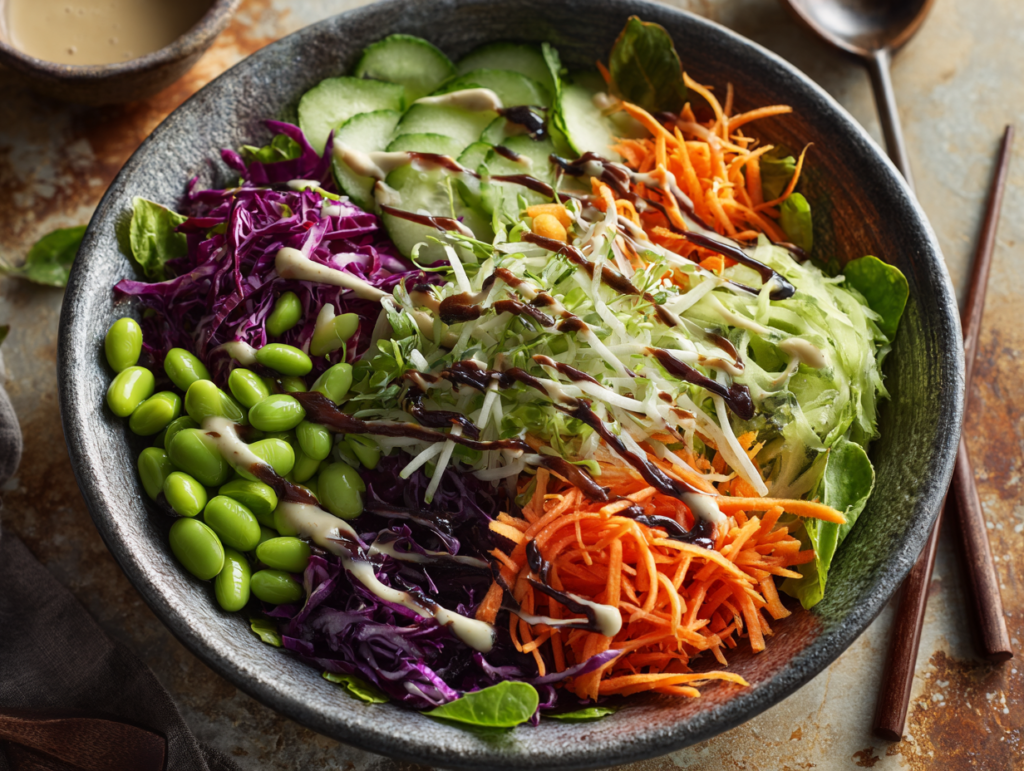
- Toss it with romaine, cabbage, cucumber, and shredded carrots.
- Drizzle it over a grain bowl with rice, edamame, and roasted broccoli.
- Spoon it over salmon, shrimp, tofu, or grilled chicken.
- Use it as a dip for raw vegetables or sugar snap peas.
- Drizzle it over cold noodle salads.
- Use it on roasted sweet potatoes or carrots.
- Pair it with a bowl like this salmon rice bowl for an easy lunch.
- Serve it instead of your usual vinaigrette when you want a savory twist similar to orange vinaigrette, but with more umami.
- For another homemade dressing idea, see tahini lemon dressing.
- It also works in meal prep lunches where you might usually use healthy Caesar dressing.
Storage, freezing, reheating
Store miso ginger dressing in a sealed jar in the fridge for up to 5 days. Shake or whisk before serving because it will separate naturally.
This recipe does not freeze well. The texture turns uneven after thawing, and the fresh ginger flavor loses some brightness.
For make-ahead prep, grate the ginger and garlic a day early, then whisk the dressing when needed. For food safety and storage guidance, check the FoodSafety.gov cold storage chart.
There’s no reheating needed. Serve it cold or let it sit at room temperature for 10 minutes so the oil loosens.
Nutrition (estimates)
Per serving, based on 8 servings:
- Calories: 75
- Protein: 2 g
- Carbs: 4 g
- Fat: 6 g
Nutrition values are estimates and vary by ingredient brand and exact serving size.
FAQs
What is in miso ginger dressing?
Miso ginger dressing usually includes miso paste, fresh ginger, an acid like rice vinegar or lime juice, oil, and a small amount of sweetness. Many versions also use soy sauce, garlic, and sesame oil.
The exact balance changes from recipe to recipe, but the core idea stays the same: salty umami from miso, brightness from acid, warmth from ginger, and enough oil to smooth everything out.
Does ginger pair well with miso?
Yes. Ginger pairs very well with miso because it adds freshness and a gentle heat that cuts through miso’s savory depth.
That contrast is what makes the dressing taste balanced instead of heavy. The two ingredients support each other, especially in dressings, marinades, and noodle bowls.
What is a miso dressing?
A miso dressing is a salad dressing or sauce built around miso paste. Miso adds salt, savoriness, and body, so the dressing tastes rich even without cream.
Most miso dressings include vinegar or citrus, oil, and a sweetener to create balance. Some also include sesame oil, ginger, garlic, or tahini.
What does ginger miso vinaigrette taste like?
Ginger miso vinaigrette tastes savory, tangy, nutty, and lightly sweet, with a warm bite from fresh ginger. It often feels brighter than creamy dressings but fuller than a plain vinaigrette.
The flavor depends on the miso used. White miso tastes milder and slightly sweeter, while darker miso tastes stronger and saltier.
Can I make miso ginger dressing without sesame oil?
Yes. You can make it with a neutral oil or avocado oil only. The dressing will still taste good, though it will lose some nuttiness.
A little sesame oil adds depth, but it isn’t essential. This is helpful if you want a milder flavor.
Is miso ginger dressing healthy?
It can fit well into a balanced diet because it delivers strong flavor in a small amount. It also uses simple ingredients and can make vegetables, grains, and proteins more appealing.
That said, miso and soy sauce both contain sodium. If you want a lighter version, use low-sodium soy sauce and thin the dressing with extra water and citrus.
Can I use this as a marinade?
Yes, but it works best as a light marinade for tofu, salmon, shrimp, or chicken. Because it contains miso and a sweetener, it can brown quickly.
Marinate for 15 to 30 minutes for seafood and up to 2 hours for chicken or tofu. Don’t marinate too long, or the salt can take over.
Why is my dressing too thick?
Miso paste varies a lot by brand, so some batches need more water. Add water 1 teaspoon at a time and whisk after each addition.
The dressing should pour easily but still cling to greens and vegetables. If it turns too thin, whisk in a little extra miso.
Why does my dressing taste too salty?
This usually happens when the miso is strong or the soy sauce amount is too high. Thin it with water first, then add a little vinegar or lime juice to rebalance it.
Avoid adding sweetness first unless it still tastes harsh after you adjust the salt and acid.
Can I make it in a blender?
Yes. A blender gives the smoothest texture and works especially well if you add carrot, tahini, or extra ginger.
For a small batch, a mini blender works better than a large one. Blend just until smooth so the dressing doesn’t get too airy.