
This salsa verde dressing is bright, zippy, and incredibly useful to keep in the fridge. It comes together in minutes with fresh herbs, lime juice, garlic, and olive oil, and it works on everything from salads to grain bowls to grilled chicken.
Table of Contents
Table of Contents
Why you’ll love this recipe
- It takes about 10 minutes from start to finish.
- It uses simple fresh ingredients you can find in most grocery stores.
- It works as a salad dressing, taco sauce, spoon sauce, or sandwich spread.
- It tastes fresher and brighter than most store-bought dressings.
- It is budget-friendly, especially when you use parsley as the main herb.
- It is great for meal prep and keeps well for several days.
- You can make it mild, spicy, creamy, or extra tangy with easy swaps.
What this tastes like
Salsa verde dressing tastes fresh, herby, tangy, and lightly punchy from the garlic and lime. It has the clean green flavor of parsley and cilantro, a little richness from olive oil, and just enough heat if you add jalapeño. It fits weeknight salads, tacos, rice bowls, grilled meats, roasted vegetables, and casual dinner parties. It also works well when you want one sauce that makes leftovers feel new again.
Ingredients
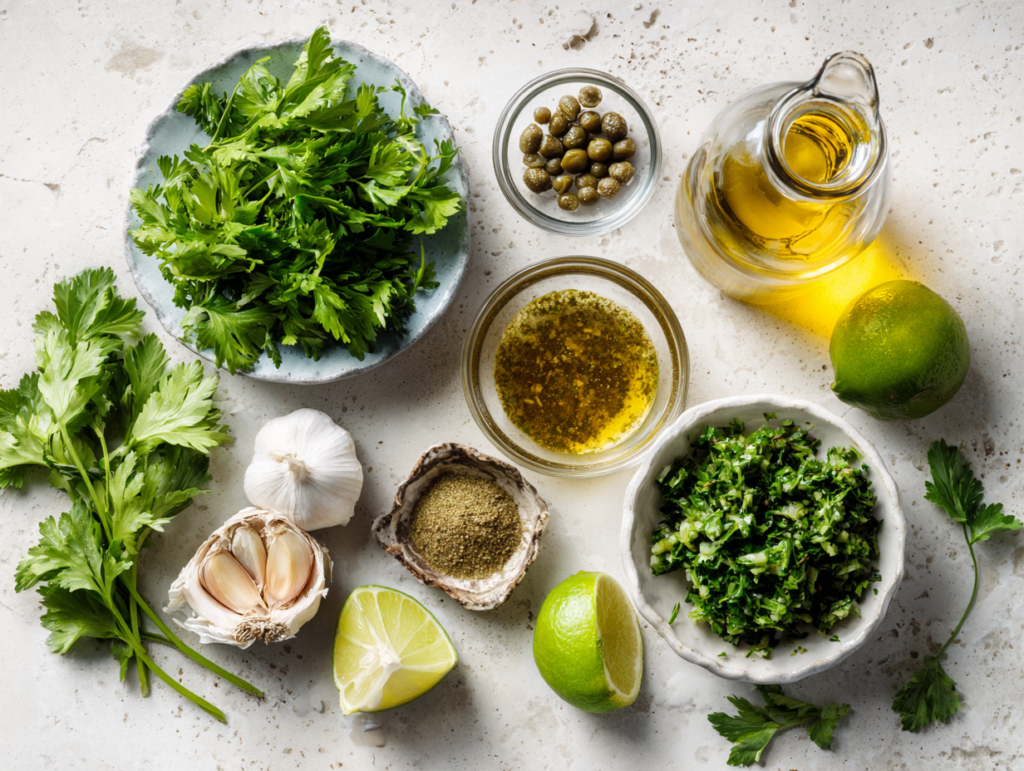
- 1 packed cup fresh parsley leaves, thick stems removed
- 1 packed cup fresh cilantro leaves and tender stems
- 2 small garlic cloves
- 1 small jalapeño, seeded for mild heat or left partly seeded for more heat
- 2 tablespoons capers, drained
- 2 tablespoons fresh lime juice
- 2 tablespoons red wine vinegar
- 1 teaspoon Dijon mustard
- 1/2 teaspoon kosher salt, plus more to taste
- 1/4 teaspoon black pepper
- 1/2 teaspoon ground cumin
- 1/2 cup extra-virgin olive oil
- 2 to 4 tablespoons cold water, as needed to thin
Substitutions & swaps
- Use all parsley if you do not like cilantro.
- Swap lime juice for lemon juice for a slightly softer tang.
- Replace capers with 3 to 4 chopped green olives for a brinier finish.
- Add 2 tablespoons Greek yogurt for a creamy version.
- Add 1/2 ripe avocado for a thicker, richer dressing.
- Use maple syrup or honey, 1 teaspoon, if you want to balance sharp acidity.
- Make it dairy-free by skipping yogurt and using avocado or water for body.
Best ingredients to use
- Use very fresh herbs. Limp herbs make a dull dressing.
- Choose good olive oil. Its flavor shows up clearly here.
- Fresh lime juice matters more than bottled juice in this recipe.
Equipment
- Chef’s knife
- Cutting board
- Measuring cups and spoons
- Small blender or food processor
- Rubber spatula
- Glass jar or airtight container for storage
How to make Salsa Verde Dressing
Prep
- Wash and dry the herbs well. Wet herbs water down the dressing and shorten its shelf life. Spin them dry or pat them very well with a clean towel.
- Prep the flavor base. Peel the garlic, seed the jalapeño for milder heat, and squeeze the lime juice. Drain the capers so the dressing does not turn overly salty.
- Roughly chop the herbs. This helps the blender run smoothly and keeps the mixture from overworking.
Cook
- Add the base ingredients to the blender. Add parsley, cilantro, garlic, jalapeño, capers, lime juice, vinegar, Dijon, salt, pepper, and cumin.
- Pulse first, then blend. Pulse 5 to 6 times to break everything down. Then blend while slowly pouring in the olive oil. This gives the salsa verde dressing a smoother, more balanced texture.
- Adjust the texture. Add 2 tablespoons cold water and blend again. Add more water, 1 tablespoon at a time, until it reaches a pourable consistency for salads. Keep it thicker if you want to use it as a spread or sauce.
- Taste and correct. It should taste bright and lively. Add another pinch of salt if it tastes flat, or another teaspoon of lime juice if it needs more lift.
Finish & serve
- Rest the dressing for 5 minutes. The flavors settle and round out quickly.
- Serve or chill. Spoon it over greens, grain bowls, tacos, grilled chicken, shrimp, roasted potatoes, or sandwiches.
- Avoid common mistakes. Do not overblend for too long, or the herbs can lose some freshness. Do not add too much oil too early, or the dressing can taste heavy instead of bright.
Pro tips (to get it perfect)
- Dry the herbs thoroughly before blending.
- Start with less jalapeño if you are serving kids or spice-sensitive guests.
- Use a small blender for the smoothest texture.
- Add cold water instead of extra oil when you want a lighter dressing.
- Taste after blending, not before. Raw garlic and acid mellow as the dressing comes together.
- Add salt slowly because capers already bring salinity.
- For a smoother green sauce, blend just until combined. Overblending can warm the herbs.
- If the dressing tastes too sharp, add 1 teaspoon honey or maple syrup.
- If it tastes too oily, add 1 teaspoon lime juice and 1 tablespoon water.
- If it is too salty, blend in more herbs and a little extra lime juice.
- If it separates in the fridge, shake the jar or whisk before serving.
- For meal prep, keep it slightly thick. Thin individual portions later as needed.
Variations
- Budget version: Use all parsley, skip capers, and use lemon juice plus a pinch of extra salt.
- Creamy version: Blend in 2 tablespoons Greek yogurt or 1/4 avocado.
- Spicy version: Keep the jalapeño seeds or add a serrano.
- Mild version: Omit the jalapeño and add extra black pepper.
- High-protein tweak: Mix 2 tablespoons into plain Greek yogurt and use it as a dip or dressing.
- Mexican-inspired version: Add a little tomatillo salsa for a looser, brighter finish.
- Smoky version: Add 1/4 teaspoon smoked paprika or a small piece of roasted poblano.
- Extra-herby version: Add a few mint or basil leaves for a different green note.
- Creamy dairy-free version: Blend in avocado instead of yogurt.
- Spread version: Reduce the water and use it on wraps, burgers, or sandwiches.
Serving ideas
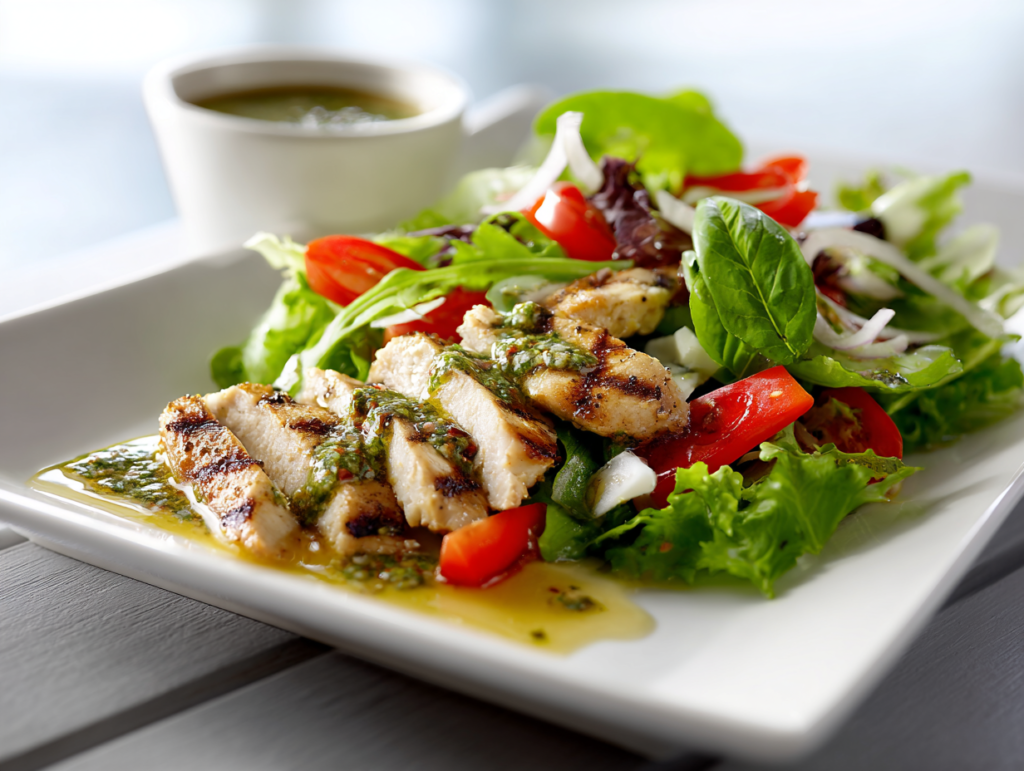
- Toss with romaine, cucumber, radish, and avocado for a fast green salad.
- Spoon over grilled chicken, steak, or shrimp.
- Drizzle onto taco bowls with rice, beans, corn, and lettuce.
- Use it as a sauce for roasted potatoes or sweet potatoes.
- Spread it inside wraps or sandwiches instead of mayo.
- Serve it with grilled vegetables like zucchini, peppers, and onions.
- Add it to grain bowls with quinoa or brown rice.
- Pair it with salmon or white fish for a fresh contrast.
- Use it as a dip for crudités or warm flatbread.
- Serve with sparkling lime water, iced tea, or a crisp citrusy drink.
Storage, freezing, reheating
Store salsa verde dressing in a sealed jar in the refrigerator for up to 4 days. The color is brightest on day 1 and day 2, but the flavor stays very good for several days.
For the best texture, stir or shake before serving because natural separation can happen.
Freezing is possible, though the texture changes slightly after thawing. Freeze in small portions, such as an ice cube tray, for up to 1 month. Thaw in the refrigerator and whisk well before using.
This recipe is ideal for make-ahead prep. Blend it the night before, keep it chilled, and thin it with a splash of water or lime juice just before serving.
No reheating is needed.
Nutrition estimate
Per serving: 93 calories, 0.5 g protein, 1.8 g carbs, 9.5 g fat
Fresh sauces like this salsa verde dressing make simple meals taste complete. I especially love it over grilled chicken recipes and hearty bowls, and it also fits naturally into collections of homemade salad dressings. For balanced plate ideas, the USDA MyPlate guide is a helpful reference.
FAQs
What is salsa verde made of?
Traditional salsa verde can mean different things depending on the cuisine. In Mexican cooking, it often includes tomatillos, chili peppers, onion, garlic, and cilantro. In Italian cooking, salsa verde usually means a green herb sauce made with parsley, olive oil, acid, and sometimes capers or anchovies.
This salsa verde dressing follows the herb-based style because it works especially well as a pourable dressing. It uses parsley, cilantro, garlic, capers, lime juice, vinegar, olive oil, and jalapeño.
What is salsa verde spread made of?
A salsa verde spread usually starts with the same green herb base but uses less liquid for a thicker texture. Many versions also include avocado, Greek yogurt, cream cheese, mayo, or soft goat cheese.
To turn this recipe into a spread, reduce or skip the water and blend until thick. For an even creamier spread, add avocado or Greek yogurt.
Can you use salsa verde as a dressing?
Yes, absolutely. Salsa verde makes an excellent dressing when you thin it to a pourable consistency with water, citrus juice, or a little extra vinegar.
That is exactly what this recipe is designed to do. It coats greens well, but it also works on grain bowls, tacos, roasted vegetables, and grilled proteins.
Does salsa help lower cholesterol?
Some salsa-style sauces can fit into a heart-conscious diet because they often use vegetables, herbs, and healthy fats instead of heavy creamy ingredients. This recipe uses olive oil and fresh herbs, which may support a balanced eating pattern when paired with overall healthy meals.
Still, no single dressing lowers cholesterol on its own. Your overall diet matters most. General healthy eating guidance from the American Heart Association can help you build balanced meals. If cholesterol is a medical concern, it is best to speak with a qualified healthcare professional.
Is salsa verde dressing spicy?
It can be mild or spicy depending on the peppers you use. One seeded jalapeño gives gentle heat. Keeping the seeds or using serrano increases the spice.
You stay in control here. Start with less pepper, then blend and taste before adding more.
Can I make salsa verde dressing without cilantro?
Yes. Use all parsley if you prefer a milder, less distinctive herb flavor. You can also add a small amount of basil or mint for a different twist.
The final dressing will still taste bright and fresh, just less classic in profile.
Why did my dressing turn bitter?
Bitterness usually comes from old herbs, too much pith from citrus, or overblending olive oil and greens. Sometimes very strong olive oil can also push the flavor in a bitter direction.
To fix it, add a little extra lime juice and a tiny amount of honey or maple syrup. Next time, use fresh herbs and blend only until smooth.
Can I make it without a blender?
Yes. Finely chop the herbs, garlic, jalapeño, and capers by hand, then whisk them with the lime juice, vinegar, mustard, and olive oil.
The texture will be chunkier, but the flavor will still be excellent.
What salads pair best with salsa verde dressing?
It pairs best with sturdy greens and crisp vegetables. Try romaine, little gem, cabbage, cucumbers, radishes, charred corn, or roasted sweet potatoes.
It also works beautifully in grain salads with quinoa, rice, lentils, or chickpeas. You can also use it with a roasted vegetable salad when you want a stronger, herbier finish.
Can I use store-bought salsa verde to make dressing?
Yes, but it changes the flavor and texture. If you use Mexican-style tomatillo salsa verde, whisk it with olive oil, lime juice, and a little mustard to make it more dressing-like.
That shortcut works in a pinch, but fresh herb-based salsa verde dressing tastes brighter and more layered.
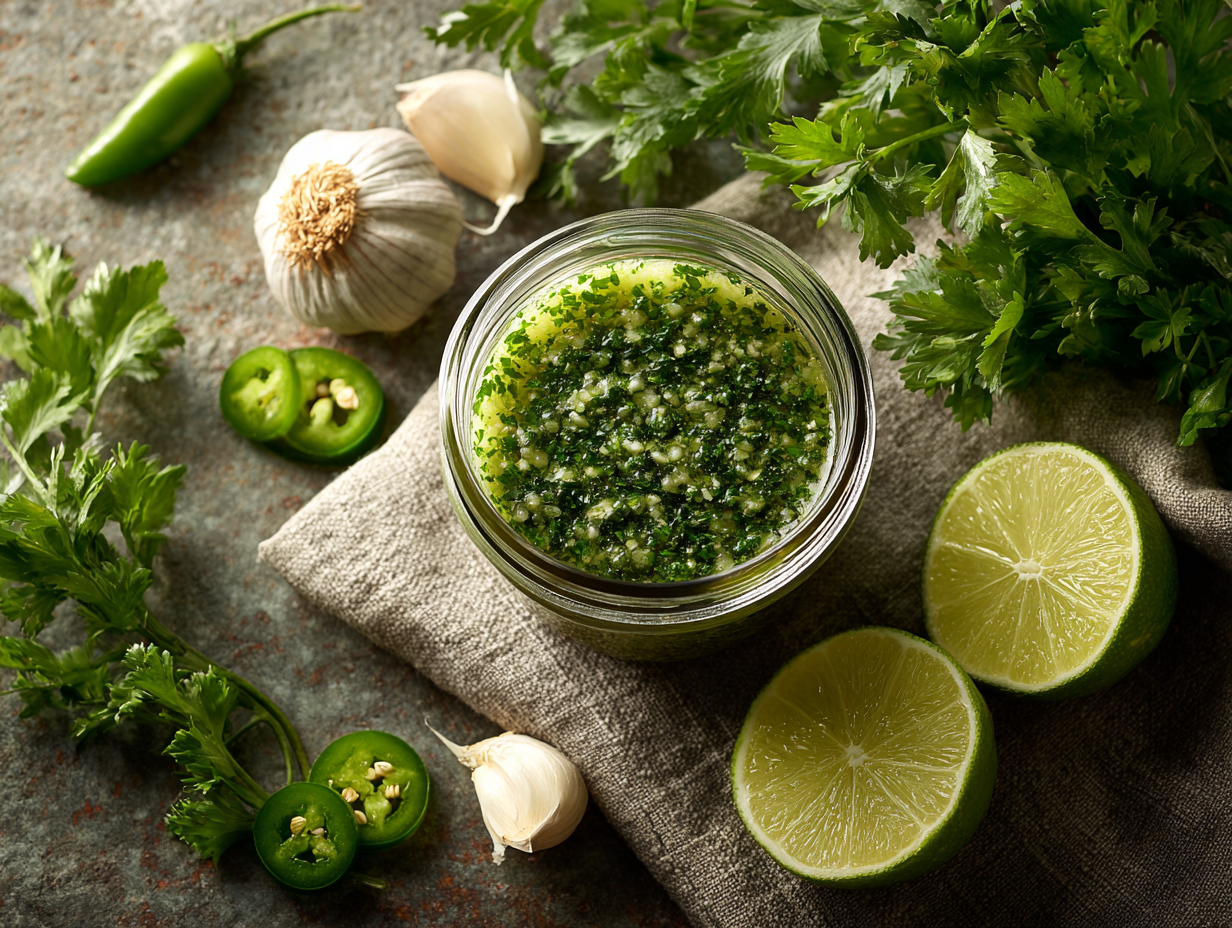

Salsa Verde Dressing
Ingredients
Equipment
Method
- Wash and dry the parsley and cilantro very well.
- Add parsley, cilantro, garlic, jalapeño, capers, lime juice, red wine vinegar, Dijon mustard, salt, black pepper, and cumin to a small blender or food processor.
- Pulse several times until chopped.
- Blend while slowly pouring in the olive oil.
- Add 2 tablespoons cold water and blend again. Add more water as needed until the dressing reaches your preferred consistency.
- Taste and adjust with extra salt or lime juice if needed.
- Let the dressing rest for 5 minutes, then serve or refrigerate.