There’s something magical about a pot of old-fashioned homemade vegetable soup simmering on the stove. It fills the kitchen with warmth, nostalgia, and the promise of comfort. This humble dish transforms everyday vegetables into a hearty, flavorful meal that feels like home in every spoonful. In this article, you’ll discover how to create that classic flavor balance—the perfect broth, tender vegetables, and rich, soulful depth. Whether you’re cooking for a crowd or craving something cozy for yourself, this timeless recipe will show you how to make simple ingredients sing. Let’s bring that old-fashioned goodness back to your table.
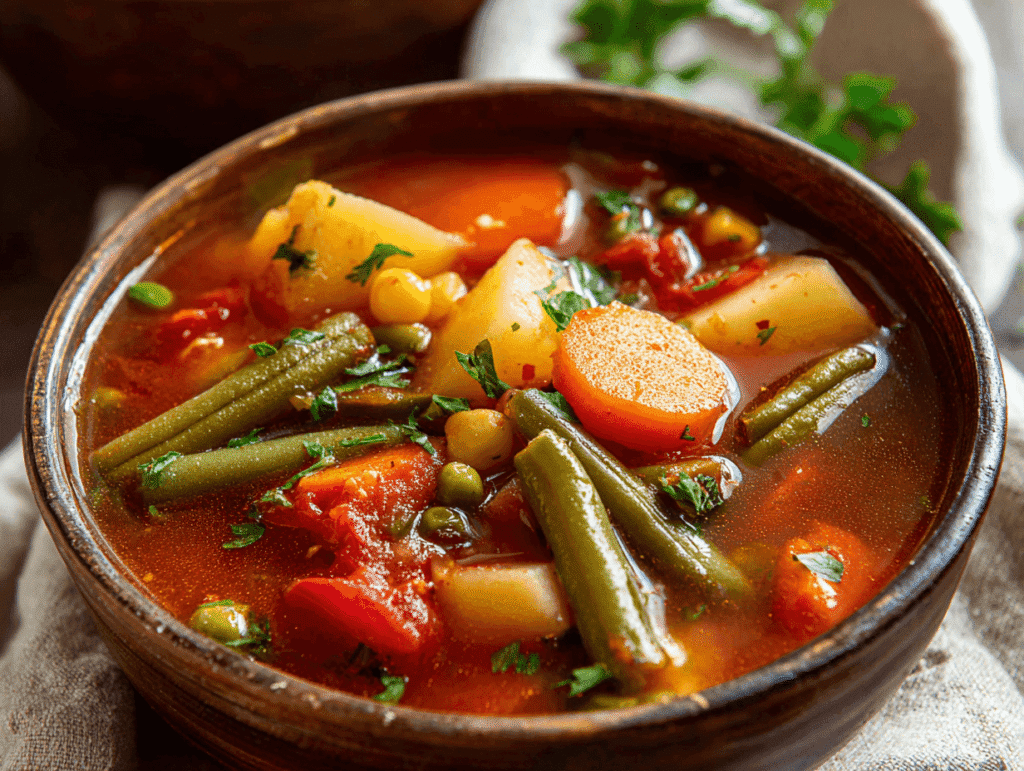
Table of Contents
Table of Contents
The Story Behind Old-Fashioned Homemade Vegetable Soup
How It All Started in My Grandmother’s Kitchen
When I was a little girl growing up in Marrakesh, the aroma of simmering soup filled my grandmother’s kitchen long before dinner was ready. She didn’t need a recipe; her hands knew exactly how much cumin, tomato, or parsley to add. The pot would bubble gently while we chopped carrots and potatoes, and she’d tell me that a good old-fashioned homemade vegetable soup is more about patience than perfection. That idea stayed with me.
When I moved to San Diego, I carried her tradition with me—but I made it my own. California’s farmer’s markets inspired me to experiment with fresh seasonal vegetables and bright herbs. I began blending Moroccan warmth with Californian freshness, creating a soup that tasted both familiar and new. It became a reflection of my journey—old roots with a fresh twist.
Whenever I cook this soup, the scent of onions sautéing in olive oil takes me back to those evenings when we’d gather around a steaming bowl, the world outside quiet and still. This soup has traveled continents, carrying a story in every spoonful.
Why Homemade Vegetable Soup Is Still Timeless
What makes old-fashioned homemade vegetable soup so special is its simplicity. There’s no fancy equipment or rare ingredient—just wholesome vegetables, a good broth, and time. The flavors build slowly, creating something far more than the sum of its parts.
It’s the kind of meal that connects generations and brings comfort to any table. Whether you’re inspired by Mediterranean flavors or love hearty classics like my Authentic Italian Minestrone Soup Recipe, this dish reminds us that great cooking doesn’t rush.
Even now, when I scroll through cozy ideas like Fall Soup Recipes, I always return to this timeless favorite. Because no matter how far we go, the flavor of home is never forgotten—and it often starts with a simple pot of soup.
How to Build the Best Old-Fashioned Vegetable Soup Base
The Foundation: Crafting a Flavorful Broth That Feels Like Home
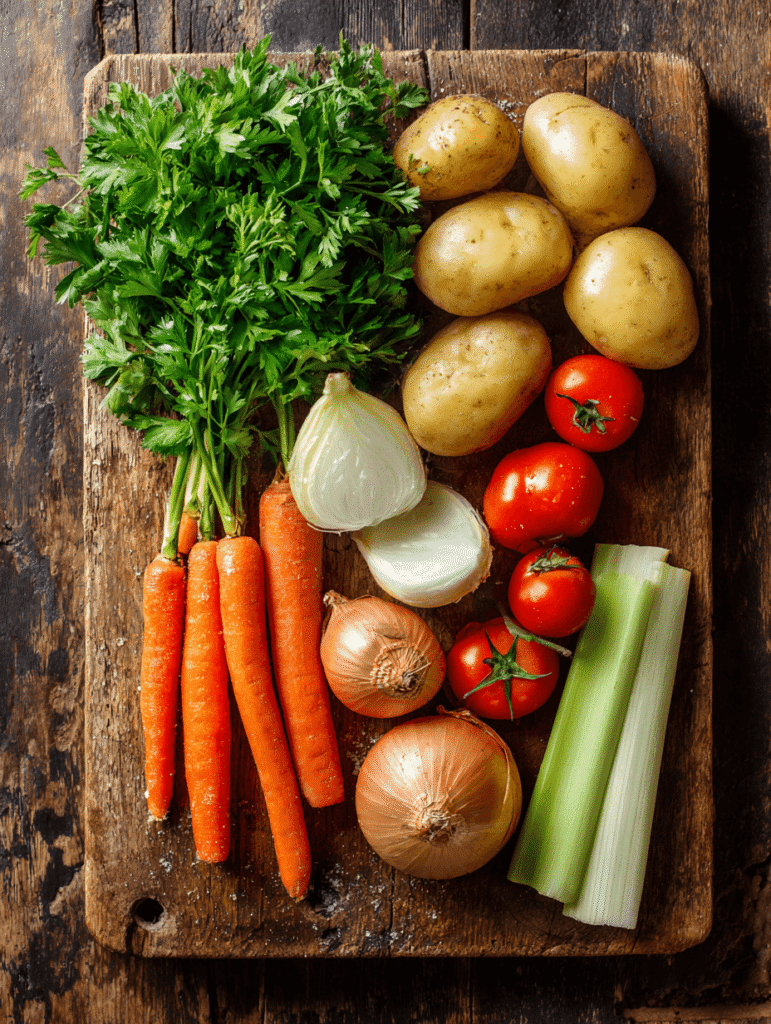
Every bowl of old-fashioned homemade vegetable soup begins with a broth that feels alive—warm, deep, and comforting. It’s not just water and salt; it’s the heartbeat of the dish. I always start with a drizzle of olive oil and a generous handful of chopped onions, garlic, and celery. Let them sizzle slowly until the kitchen smells like promise. That’s your first layer of flavor—the part that makes your soup taste like it’s been simmering for hours.
Once those aromatics soften and turn golden, deglaze the pot with a spoonful of tomato paste or a handful of diced tomatoes. That touch of acidity gives your broth a nostalgic tang that instantly feels old-fashioned. If you’re in the mood for something heartier, mix vegetable broth with a splash of chicken stock—it adds richness without overpowering the veggies.
For an even deeper flavor, roast your vegetables before adding them to the pot. Carrots, onions, and tomatoes caramelize beautifully, giving your soup a smoky sweetness that feels both rustic and elegant. This same trick works wonders in my Cozy Potato Leek Soup Without Cream, where the natural sugars of the vegetables do the heavy lifting.
Layering Vegetables Like a Pro Chef
The beauty of vegetable soup lies in its layers—each ingredient plays its part in the orchestra of flavors. Start with the vegetables that take time to tenderize: carrots, potatoes, parsnips, or even turnips. Let them simmer gently until they begin to soften, releasing a quiet sweetness into the broth.
Next, add your quicker-cooking stars—zucchini, green beans, corn, or spinach—so they stay bright and full of life. Each addition should bring something new to the pot: texture, color, aroma. Season along the way, not just at the end. Salt a little early to help vegetables release moisture, then finish with black pepper and a pinch of smoked paprika for that cozy, nostalgic depth.
When I want a gentle twist, I take inspiration from my Butternut Squash and Apple Soup. A hint of natural sweetness balances the savory broth and makes each spoonful sing.
The real secret? Patience. Don’t rush. Let the soup simmer quietly, filling your kitchen with warmth and memories. When it tastes like comfort itself, you’ll know it’s ready.
Secrets to Flavorful and Rich Homemade Vegetable Soup
Herbs and Seasonings That Bring It to Life
The true secret behind any great old-fashioned homemade vegetable soup lies in its herbs and seasonings. These simple additions turn a pot of vegetables into something rich, layered, and unforgettable. Start with the classics: fresh thyme, bay leaves, and parsley. They lend that cozy aroma that makes you want to grab a spoon before it’s even ready.
As the soup simmers, the herbs release oils that infuse the broth with warmth and complexity. Add a little rosemary if you love earthy notes or a touch of oregano for Mediterranean charm. My grandmother used to toss in a small pinch of cumin—a Moroccan trick that gives the broth depth without overpowering the vegetables. That subtle spice is what separates an ordinary homemade vegetable soup from one that makes people ask for seconds.
Don’t forget acidity—it’s the secret weapon for balance. A small squeeze of lemon or a dash of apple cider vinegar near the end brightens the flavors, especially if your soup has been simmering for hours. You can see this balance in action in my Stuffed Pepper Soup Recipe, where tangy tomato and savory broth work together beautifully.
Slow Cooking for Soulful Results
A proper old-fashioned homemade vegetable soup should never be rushed. Give it time to develop its full, layered flavor. Once your vegetables and herbs are in, lower the heat and let it simmer gently for at least an hour. The slow cooking process allows everything—from the onions to the potatoes—to release their natural sweetness into the broth.
During that quiet hour, something special happens: the flavors mingle and soften, transforming your soup from a mix of ingredients into one harmonious bowl of comfort. Stir occasionally, taste often, and trust your instincts. You’ll know it’s perfect when the broth tastes rich enough to stand on its own.
If you want even more depth, try adding a spoonful of tomato paste halfway through simmering or a handful of chopped greens during the last few minutes. Both techniques keep your old-fashioned vegetable soup vibrant and full of life.
This slow, mindful approach reminds me of my Old-Fashioned Vegetable Beef Soup Recipe, where time—not complexity—creates that incredible, nostalgic taste. The same rule applies here: let your soup breathe. The longer it rests on low heat, the better it tastes, and the more it feels like something passed down through generations.
So, take your time. Let it simmer. When you lift the lid and that fragrant steam rises, you’ll understand why slow cooking isn’t just a method—it’s the soul of old-fashioned homemade vegetable soup.
Serving and Storing Old-Fashioned Homemade Vegetable Soup
How to Serve Old-Fashioned Homemade Vegetable Soup Like a Pro
When your old-fashioned homemade vegetable soup is done simmering, your kitchen will smell like pure comfort. The broth will be rich, the vegetables tender, and the flavor deep enough to make anyone stop and savor. How you serve it matters almost as much as how you cook it.
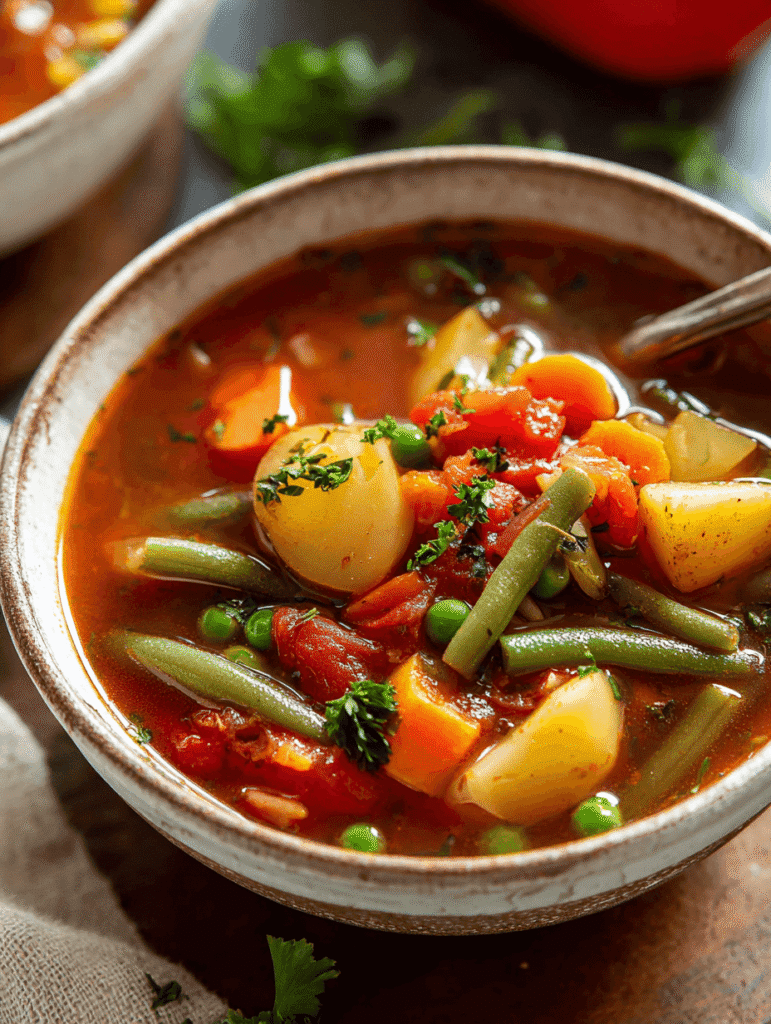
Pour the soup into warm bowls and finish it with a drizzle of olive oil or a sprinkle of freshly grated Parmesan. Crusty bread or garlic toast makes the perfect companion—it soaks up every bit of that golden broth. For something more filling, stir in cooked barley, small pasta, or rice just before serving. Each spoonful becomes a balanced meal—hearty, wholesome, and satisfying.
If you’re serving guests, garnish with fresh herbs like parsley or thyme for color and aroma. For a comforting twist, I sometimes add a spoonful of sour cream or a sprinkle of smoked paprika right before serving. These small touches give your homemade vegetable soup restaurant-level charm without any fuss.
This recipe also pairs beautifully with seasonal dishes like my Cabbage Roll Soup Recipe or the Easy Lentil Soup Recipe. Together, they make a lineup of soul-warming soups that celebrate the beauty of simple ingredients done right.
Creative Twists and Global Inspirations
The beauty of old-fashioned homemade vegetable soup is that it adapts to every kitchen and culture. If you want a Moroccan twist, stir in a pinch of cumin and a dash of harissa—it’ll add warmth and a gentle kick. For an Italian version, add white beans, kale, and a swirl of extra-virgin olive oil. Feeling nostalgic? Stick to the basics: carrots, potatoes, and tomatoes simmered until tender and sweet.
You can even transform your soup into a new dish the next day. Add cooked grains for a thicker stew or blend a portion for a creamy texture without adding dairy. The longer it sits, the more the flavors marry, making your old-fashioned vegetable soup even better on day two.
When it comes to storage, cool your soup completely, then refrigerate for up to four days or freeze for three months. Store it in glass containers or freezer bags for easy reheating. To revive frozen soup, thaw overnight in the fridge and warm it gently on the stove. It’ll taste just as comforting as the day you made it—maybe even more so.
No matter how you serve it, this timeless old-fashioned homemade vegetable soup is a love letter to simplicity—a dish that turns ordinary vegetables into something truly extraordinary.
FAQs About Old-Fashioned Homemade Vegetable Soup
1. What not to put in vegetable soup?
Avoid overcooked pasta, canned vegetables, or too many starchy add-ins like rice or potatoes that can cloud the broth. Skip bitter greens like kale unless balanced with acidity such as lemon juice or tomatoes. Keeping your ingredients simple helps preserve that clean, old-fashioned flavor that makes homemade vegetable soup so satisfying.
2. What is the secret to great vegetable soup?
The secret to a great old-fashioned homemade vegetable soup lies in layering flavors slowly. Start with aromatic vegetables, build depth with herbs and tomato paste, and simmer gently. Taste and adjust seasoning in stages—never all at once. This approach ensures each flavor has time to shine.
3. What gives vegetable soup that depth of flavor?
Depth comes from caramelization, acid, and time. Sauté onions until golden, stir in tomato paste, and add roasted vegetables for a smoky sweetness. Finish with a dash of vinegar or lemon juice to lift the broth. This balance between richness and brightness gives your old-fashioned vegetable soup its heartwarming complexity.
4. What are some common mistakes when making vegetable soup?
The biggest mistakes are rushing the cooking process, over-salting too early, or tossing in delicate vegetables too soon. Patience is key. A slow simmer allows the broth to develop that signature depth and warmth that defines every bowl of old-fashioned homemade vegetable soup.
The Heart of Old-Fashioned Homemade Vegetable Soup
Cooking old-fashioned homemade vegetable soup is more than following a recipe—it’s about creating comfort. Every pot tells a story of patience, family, and flavor. I learned that from my grandmother in Marrakesh, and I carry it into my San Diego kitchen today. Whether you stick to tradition or add your own twist, this soup brings people together with every spoonful.
It’s humble food with a powerful message: simple ingredients, cooked with love, create something extraordinary. So gather your vegetables, stir slowly, and let your kitchen fill with the aroma of home. Because sometimes, the best comfort comes from a pot of old-fashioned homemade vegetable soup simmering quietly on the stove.
Join the Taste Bliss Kitchen Family
Cooking is always better when it’s shared. If you loved this old-fashioned homemade vegetable soup, I’d love to connect with you beyond the recipe! You’ll find exclusive behind-the-scenes cooking clips, kitchen tips, and new recipe previews across my social platforms.
Follow Taste Bliss Recipes on:
- Pinterest for daily inspiration and comforting soup ideas.
- Facebook to join our food-loving community and share your favorite homemade dishes.
- Instagram for stunning recipe visuals and step-by-step cooking stories.
- X (Twitter) for quick kitchen hacks and daily flavor ideas.
- YouTube for full-length cooking videos straight from my San Diego kitchen.
- TikTok for fun, fast recipe reels packed with flavor and heart.
Wherever you follow, you’ll find a kitchen filled with warmth, creativity, and a whole lot of delicious inspiration. Come be part of the Taste Bliss journey—your seat at the table is always ready.

Old-Fashioned Homemade Vegetable Soup
Ingredients
Equipment
Method
- Heat olive oil in a large pot over medium heat. Add onions, garlic, and celery. Cook for 4–5 minutes until soft and fragrant.
- Stir in tomato paste and cook for another minute to deepen the flavor.
- Add carrots, potatoes, green beans, and diced tomatoes. Pour in vegetable broth and stir well.
- Add bay leaves, thyme, rosemary, smoked paprika, salt, and pepper. Bring to a boil.
- Reduce heat and let simmer uncovered for 40–50 minutes, stirring occasionally.
- Add zucchini and parsley during the last 10 minutes of cooking.
- Taste and adjust seasoning with Worcestershire sauce, lemon juice, or more salt if needed.
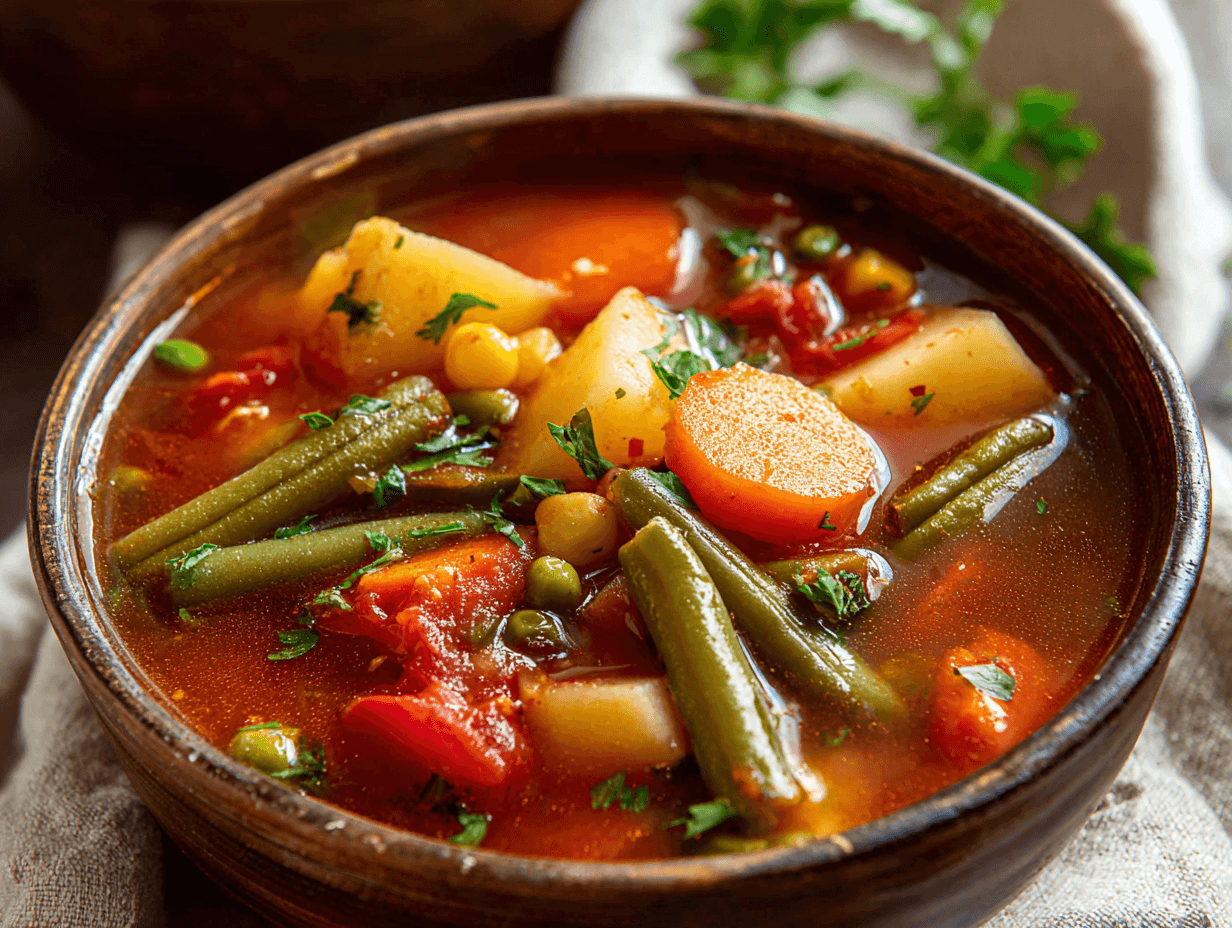
- Remove bay leaves before serving. Serve hot with crusty bread and garnish with fresh parsley.