
Lemon Dill Baked Cod brings bright citrus, gentle herbs, and flaky fish together in one easy dinner. In this guide, I’ll share why Lemon Dill Baked Cod became a staple in my San Diego kitchen, how to bake it so it stays juicy, and what mistakes to avoid so your cod never turns dry. You’ll also get serving ideas, storage tips, and clear answers to the most-asked questions about lemon, dill, and cod. If you want a light meal that still feels special, Lemon Dill Baked Cod fits the moment.
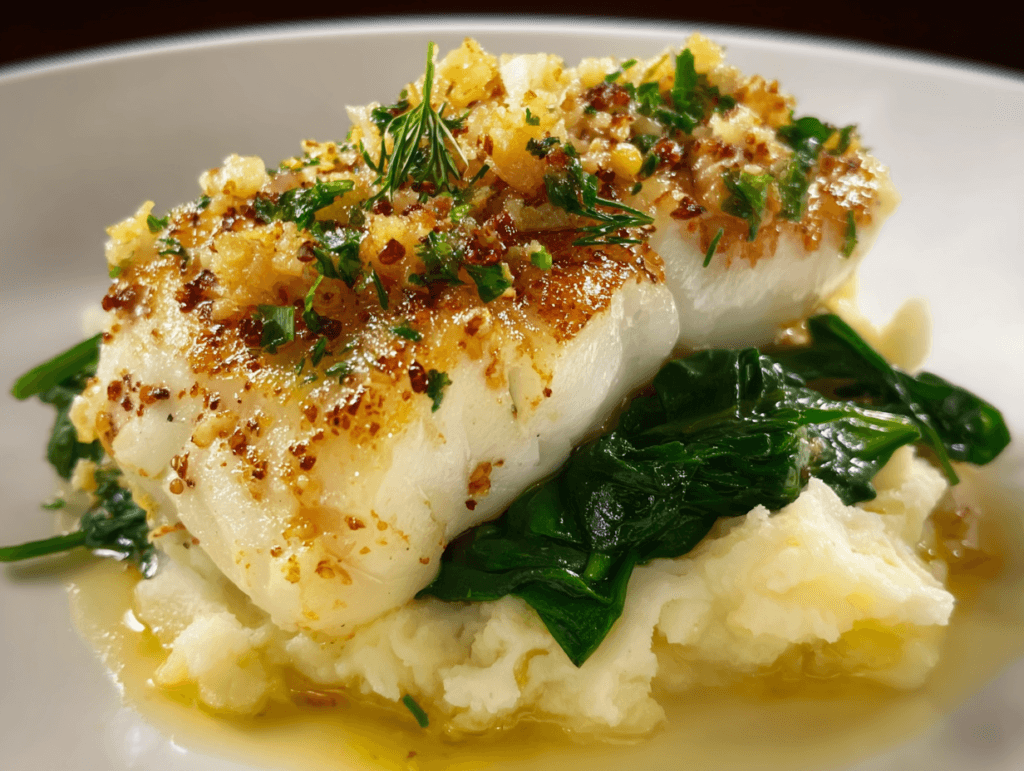
Table of Contents
Table of Contents
Lemon Dill Baked Cod – A Fresh Family Favorite
Why Lemon Dill Baked Cod Means So Much to Me
I was born in Marrakesh, Morocco, and I learned to cook in my grandmother’s kitchen. She didn’t measure much, yet she never missed. Instead, she listened to the pot, tasted the broth, and trusted her hands.
When I moved to San Diego, I brought that same spirit with me. I started blending my roots with the coastal ingredients I found here. That’s how Lemon Dill Baked Cod earned its place on my table.
At first, I cooked cod because it felt friendly. It’s mild, it cooks fast, and it welcomes bold flavors without fighting back. Then I tried lemon and dill together, and the dish instantly clicked.
Lemon Dill Baked Cod tastes clean and bright, so it fits busy weeknights. At the same time, it looks polished enough for guests. So I can serve it casually, yet it still feels special.
This recipe also reminds me of how my family cooked: keep ingredients simple, then let them speak. Lemon Dill Baked Cod doesn’t need heavy sauces. Instead, lemon wakes up the fish, and dill adds a fresh, grassy note that feels soothing.
When I want another citrus seafood dinner with the same light energy, I make lemon pepper shrimp orzo and keep the rest of the meal simple.
The Classic Flavor Pairing of Lemon and Dill
Do dill and cod go together? Yes, because dill supports delicate fish rather than covering it up. Moreover, dill has a soft sweetness and a gentle herbal bite, so it pairs naturally with cod’s mild flavor. Lemon Dill Baked Cod works even better because lemon brings acidity, and acidity makes seafood taste lively.
Also, dill and lemon go well together because they balance each other. Lemon tastes sharp and bright. Dill tastes cool and slightly sweet. Together, they create a clean finish that feels refreshing.
If you like seafood bowls with clear, bold flavors, you might enjoy teriyaki salmon rice bowls on another night, since they follow the same “simple ingredients, big payoff” idea. Because Lemon Dill Baked Cod tastes light, you can serve it in many ways. You can keep it classic with rice and vegetables, or you can go Mediterranean with a salad and warm bread. Either way, Lemon Dill Baked Cod stays the star.
How to Bake Lemon Dill Cod Perfectly Every Time
Step-by-Step Method for Baking Cod with Lemon
When you bake Lemon Dill Baked Cod, you want tender flakes, not a dry filet. So start with a hot oven and a short cook time.
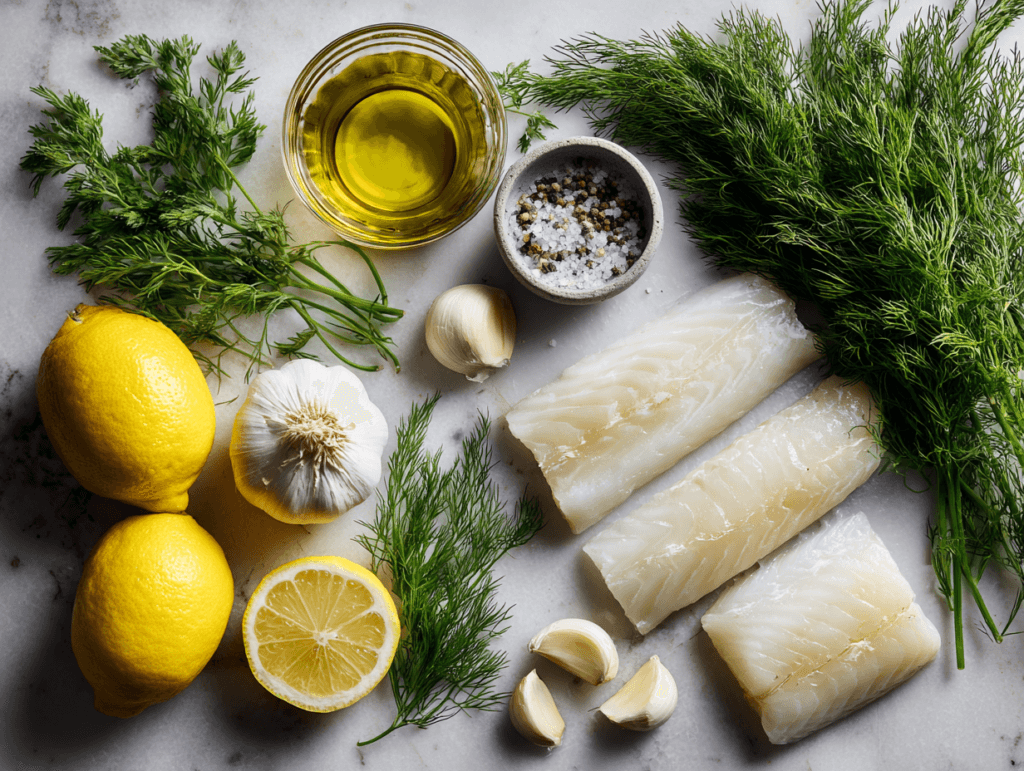
First, heat the oven to 400°F. Next, pat the cod fillets dry with paper towels. This step matters because surface moisture can slow cooking and weaken seasoning.
Then brush a baking dish with olive oil and set the cod in one layer. Keep a little space between fillets so they cook evenly.
After that, season the fish simply. Sprinkle salt and black pepper over both sides.
Next, add lemon zest for a brighter aroma, then squeeze fresh lemon juice over the top. Afterward, scatter chopped fresh dill across each filet.
Finally, drizzle a small amount of olive oil to keep the surface supple while it bakes. Also add thin lemon slices on top, because they scent the fish as it cooks.
If you enjoy straightforward oven dinners, you’ll recognize the same reliable rhythm in garlic butter baked chicken breast, where timing and simple seasoning do the heavy lifting.
The Best Temperature and Timing for Flaky Cod
Cod cooks quickly, so timing matters more than almost anything else. Bake Lemon Dill Baked Cod at 400°F for about 10–14 minutes, depending on thickness. Also, use the “10 minutes per inch” rule as a steady guide. The fish finishes when it turns opaque and flakes with gentle pressure from a fork.
However, don’t wait for the edges to look dry. Instead, pull it when it just flakes, because residual heat keeps cooking the center. If you want a food-safety reference for doneness, follow the safe minimum internal temperatures for fish and check the thickest part with a thermometer.
Use this quick timing table to avoid guessing:
| Cod Thickness | Bake Time at 400°F |
|---|---|
| ½ inch | 8–10 minutes |
| 1 inch | 10–14 minutes |
| 1½ inches | 14–16 minutes |
Tips, Variations & Common Mistakes
Do Dill and Cod Go Together? Flavor Secrets Explained
Lemon Dill Baked Cod tastes best when you keep the flavor clean and the herb fresh. So choose fresh dill when you can, because dried dill can taste muted next to lemon.
Also use lemon zest as well as juice. The juice adds bright acidity, while the zest adds aroma. Together, they give Lemon Dill Baked Cod that fresh, lively finish.
If you want a slightly richer version, spread a thin layer of softened butter mixed with dill and zest over the fillets before baking. This small change adds richness without making the dish feel heavy.
Alternatively, add minced garlic and a pinch of paprika for a warmer note. Even then, keep the lemon strong so Lemon Dill Baked Cod stays bright and balanced.
Because many readers also love lemon comfort meals, I like pairing this fish night with a light starter like lemon chicken orzo soup when the weather cools down. The flavors connect, and the menu feels planned without extra effort.
Common Mistakes When Baking Cod
Most problems with Lemon Dill Baked Cod come from a few small missteps. First, people overcook cod. Cod dries fast, so watch the clock and check early.
Next, people skip drying the fish. That extra surface moisture can make the filet steam instead of bake, so the texture turns soft instead of flaky.
Also, people drown the fish in liquid. A little lemon juice tastes great, yet too much can gently “poach” the cod and soften its texture. So squeeze lightly, then add more at the table if you want.
Another common mistake is baking cod straight from the fridge. Instead, let the fillets sit out for about 10 minutes while the oven heats, because that helps them cook more evenly.
Finally, people choose the wrong baking dish size. If the dish is too large, the fish can dry faster. If it’s too small, the fillets crowd and cook unevenly. Choose a dish that fits the cod in one layer with a little breathing room.
If you want another reliable dinner that rewards careful heat control, try creamy Tuscan chicken skillet, since it also turns out best when you manage timing closely.
Serving Ideas, Storage & FAQs
What to Serve with Lemon Dill Baked Cod
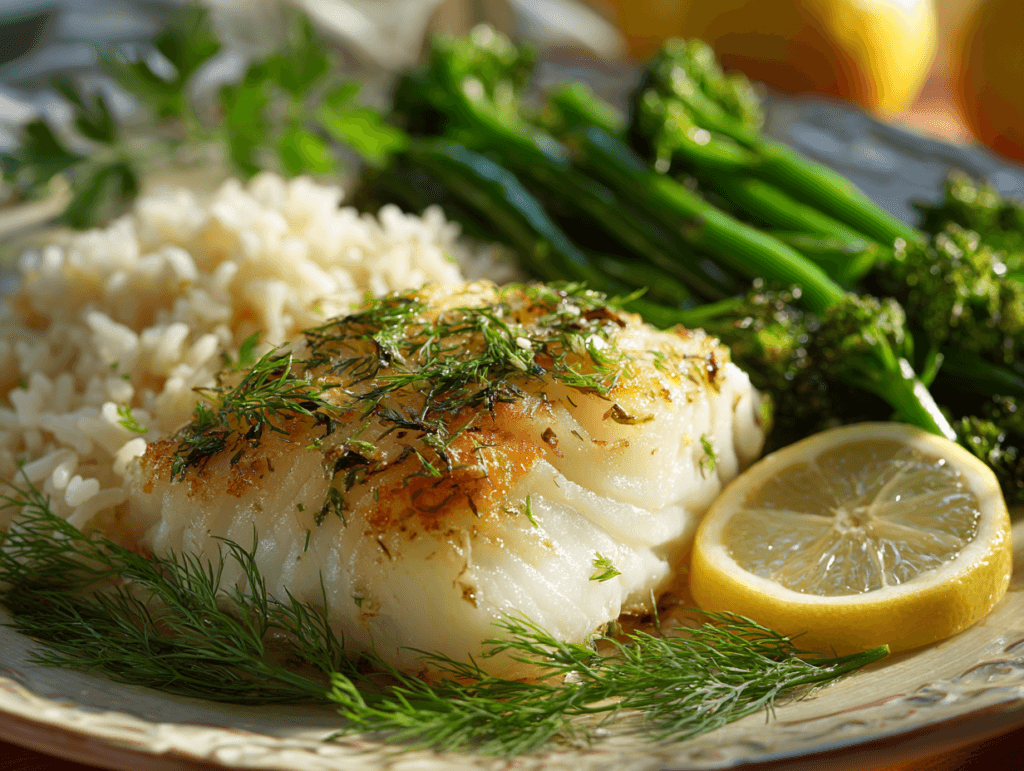
Because Lemon Dill Baked Cod tastes bright and light, pair it with sides that either soak up citrus juices or add crunch. Rice, couscous, roasted potatoes, and sautéed greens all work well.
Also, a simple cucumber salad or a tomato salad adds a fresh contrast. That mix keeps the plate lively without adding extra heaviness.
For a quick weeknight plate, serve Lemon Dill Baked Cod with veggie fried rice with egg. The rice adds comfort, and the fish keeps the meal light.
If you want a more hearty family dinner, add a vegetable-forward sheet pan side like sheet pan sausage potatoes green beans and keep your cod portion front and center.
Additionally, if you want nutrition context without jumping to a recipe competitor, you can read seafood nutrition basics from Seafood Health Facts and then come right back to cooking.
How to Store and Reheat Baked Cod
Store Lemon Dill Baked Cod in an airtight container in the fridge and eat it within 2–3 days for best texture. Also, cool it quickly before refrigerating. For seafood handling tips, the FDA guidance on selecting and serving fresh and frozen seafood offers clear, practical storage advice.
To reheat, warm the cod gently in a 300°F oven until just heated through. Add a splash of water or a small drizzle of olive oil to keep it moist. However, avoid microwaving for too long, because it can toughen the fish. If you plan leftovers, flake the cod cold and tuck it into salads, grain bowls, or wraps with a squeeze of lemon.
FAQ
Do dill and cod go together?
Yes. Dill tastes gentle and slightly sweet, so it supports cod’s mild flavor. Also, dill highlights the fish instead of hiding it, which makes Lemon Dill Baked Cod taste clean and balanced.
Do dill and lemon go well together?
Yes. Lemon tastes bright and sharp, while dill tastes cool and herbal. Together, they create a fresh finish that feels light, so Lemon Dill Baked Cod never tastes heavy.
How do you bake cod with lemon?
Heat your oven to 400°F, pat the cod dry, season with salt and pepper, then add lemon zest, lemon juice, and dill. Bake until opaque and flaky, usually 10–14 minutes depending on thickness.
What are some common mistakes when baking cod?
Overcooking tops the list. Also, skipping the “pat dry” step can lead to steaming instead of baking. Using too much lemon juice can soften texture, and crowding the pan can cook fillets unevenly.
Conclusion
Lemon Dill Baked Cod proves that a few fresh ingredients can create a dinner that feels both easy and special. Cook it hot and fast, keep the seasoning clean, and let lemon and dill do their magic. You’ll get tender flakes, bright flavor, and a meal you’ll want on repeat.

Lemon Dill Baked Cod
Ingredients
Equipment
Method
- Heat oven to 400°F and lightly oil a baking dish.
- Pat cod fillets dry, then place them in the dish in a single layer.
- Season cod with salt and pepper, then add lemon zest and drizzle lemon juice over the top.
- Sprinkle chopped dill over each fillet and drizzle olive oil.
- Top with thin lemon slices.
- Bake 10–14 minutes, until opaque and flaky (check early for thin fillets).
- Serve right away with extra lemon wedges.