A dry turkey can ruin even the most beautiful holiday table. I learned that lesson years ago after spending hours roasting a bird that looked perfect on the outside but sliced up disappointingly dry. That moment pushed me to rethink how I prepare turkey, and that’s when injecting became part of my routine.

A turkey injection recipe changes everything. Whether you roast, smoke, or fry your turkey, injecting flavor directly into the meat delivers moisture where surface seasoning simply can’t reach. Instead of hoping juices stay locked in, you actively place them inside the bird. The result is a turkey that slices cleanly, glistens with moisture, and tastes seasoned all the way through.
This guide will teach you exactly how turkey injection works, why homemade injections beat store-bought versions, what ingredients to use, how much injection you need, and when to inject your turkey for the best outcome. You’ll also get a reliable butter-based injection recipe and plenty of ideas to customize it for Thanksgiving, Christmas, backyard barbecues, or smoked turkeys year-round.
Because turkey is naturally lean, techniques that preserve moisture—like injection—are especially useful, similar to the approach used in these ground turkey soup recipes where tenderness and flavor matter just as much.
Table of Contents
Table of Contents
Why Injecting a Turkey Makes Such a Big Difference
Traditional turkey seasoning relies heavily on surface contact. Rubs, herbs, and marinades flavor the skin well, but they struggle to penetrate thick breast meat. Brining helps, but it requires advance planning and refrigerator space that many home cooks don’t have.
Injection works differently. Instead of waiting for salt and seasoning to travel inward, you deliver moisture and flavor straight into the muscle. As the turkey cooks, the injected liquid melts, redistributes, and continuously bastes the meat from the inside.
This internal basting is especially important for large birds. Turkey breasts cook faster than legs and thighs, which often leads to dry white meat. Injecting helps balance moisture across different cuts, making the entire bird more forgiving during cooking.
Another benefit is flexibility. You can inject a turkey minutes before cooking or up to a day ahead. That makes injection ideal for busy holidays when prep time feels limited.
Injecting liquid directly into the muscle helps slow moisture loss during cooking, a process supported by food science research on how added moisture affects meat juiciness.
Why Homemade Turkey Injection Is Better Than Store-Bought
From a practical cooking standpoint, homemade turkey injection simply makes more sense.
Many commercial injection products cost far more than their ingredients justify. Powdered mixes marketed as “competition grade” often rely on basic bouillon, salt, flavor enhancers, and imitation butter compounds. Bottled injections may contain oils, syrups, and stabilizers that don’t contribute to better texture or flavor.
When you make injection at home, you control everything:
- The quality of fat
- The salt level
- The flavor balance
- The freshness of herbs and spices
Homemade injection also adapts easily. You can make it rich and savory for Thanksgiving, bold and spicy for smoked turkey, or slightly sweet for fried turkey. Most importantly, you avoid paying premium prices for ingredients already sitting in your pantry.
Herb-forward injections pair especially well with turkey, much like the balanced seasoning found in this chicken and wild rice soup recipe.
How Turkey Injection Works Inside the Meat
Injection doesn’t just add flavor—it changes how turkey cooks.
When liquid enters the muscle fibers, it increases internal moisture and slightly relaxes the protein structure. During cooking, this moisture slows down drying and reduces moisture loss. That’s why injected turkey often stays juicy even if it cooks slightly longer than planned.

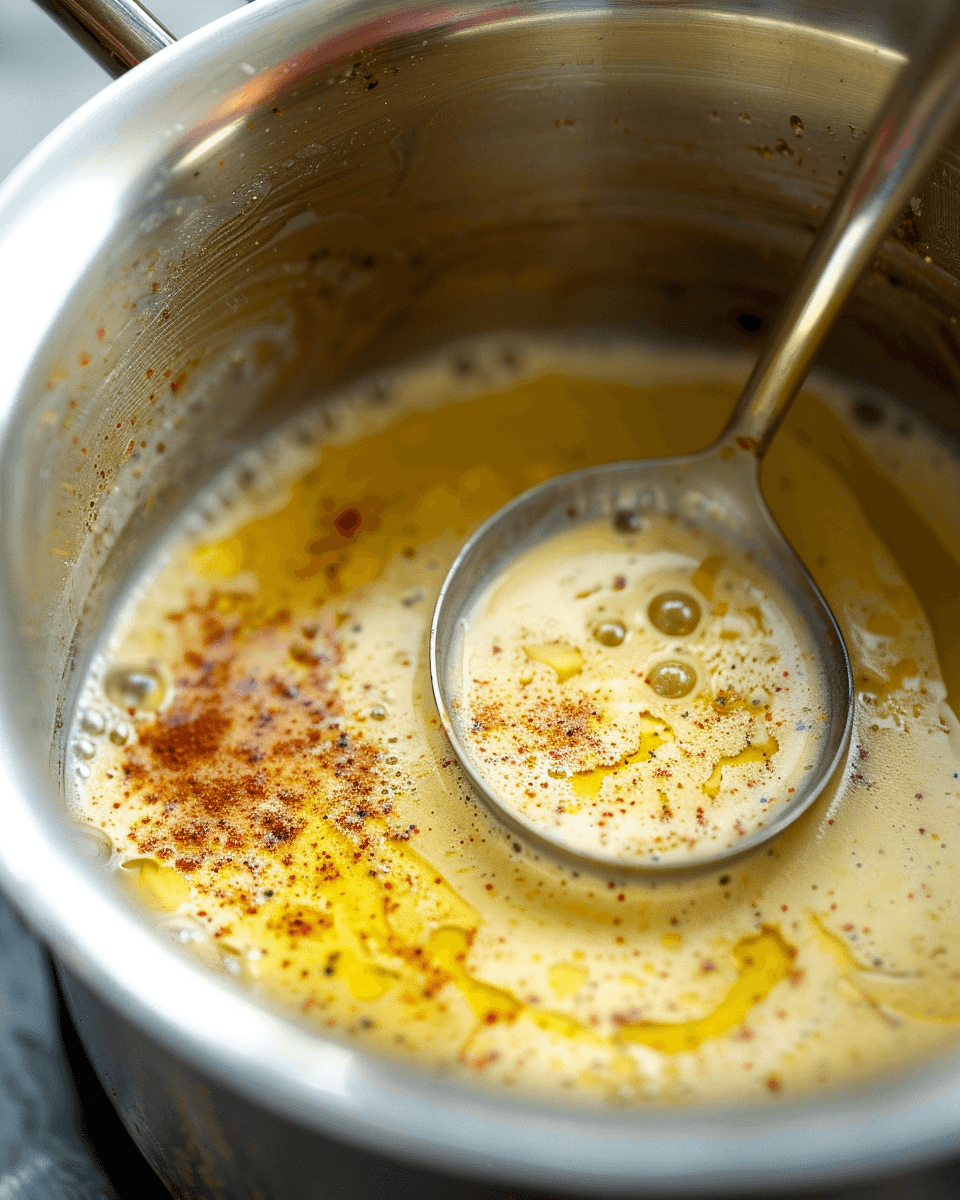
Butter-based injections add fat, which enhances mouthfeel and richness. Broth adds water and salt, improving juiciness and seasoning. Herbs and spices dissolve into the liquid, spreading flavor evenly instead of remaining on the surface.
Because injected liquid stays trapped inside the meat, the flavor develops throughout the entire cooking process, not just during prep.
What to Inject a Turkey With
Turkey injection ingredients fall into a few main categories. The best injections balance all of them.
Fats
Fat adds richness and carries flavor.
- Butter
- Olive oil
Butter is especially popular because it melts beautifully and complements turkey naturally.
Liquids
Liquids provide moisture and help dissolve seasonings.
- Chicken broth
- Turkey broth
- Apple juice or cider
- Pineapple juice
Broth works best for savory profiles, while fruit juices pair well with smoked or fried turkey.
Flavor Builders
These add complexity and depth.
- Fresh or dried herbs
- Garlic
- Onion powder
- Black pepper
- Poultry seasoning
- Barbecue rub
Sweeteners (Optional)
Used sparingly to balance savory flavors.
- Honey
- Brown sugar
Acid and Umami Boosters
Used in small amounts to brighten flavor.
- Lemon juice
- Worcestershire sauce
- Apple cider vinegar
- Bouillon paste
Many professional kitchens rely on concentrated bouillon pastes for injections. A popular home option delivers deep roasted flavor without overpowering salt when used carefully.
Using chicken broth in a turkey injection adds savory depth, a method that works well in many comfort dishes like this high-protein chicken noodle soup.
How Much Injection Do You Need
Turkey size determines injection quantity, but it’s always better to make slightly more than you think you’ll need.
As you inject, some liquid will escape through previous injection points. You’ll also want to inject from multiple angles to distribute flavor evenly.
General guidelines:
- Whole turkey: 1 to 2 cups
- Turkey breast only: ½ to 1 cup
Always discard leftover injection liquid once you begin injecting. The needle moves between raw poultry and the liquid, which contaminates the remaining injection.
If your injection contains butter, you can reserve a small untouched portion before injecting and brush it on the skin later as a binder for seasoning.
When to Inject a Turkey
One of the biggest misconceptions is that injection must sit for hours to work. Unlike marinades, injection doesn’t rely on slow absorption.
You can inject:
- Immediately before cooking
- Up to 24 hours in advance
If injecting ahead, store the turkey covered in the refrigerator. For same-day cooking, inject just before seasoning and placing the turkey in the oven, smoker, or fryer.
Injection works well for all three major cooking methods:
- Roasting
- Smoking
- Frying
That flexibility makes it ideal when you don’t have time for brining.
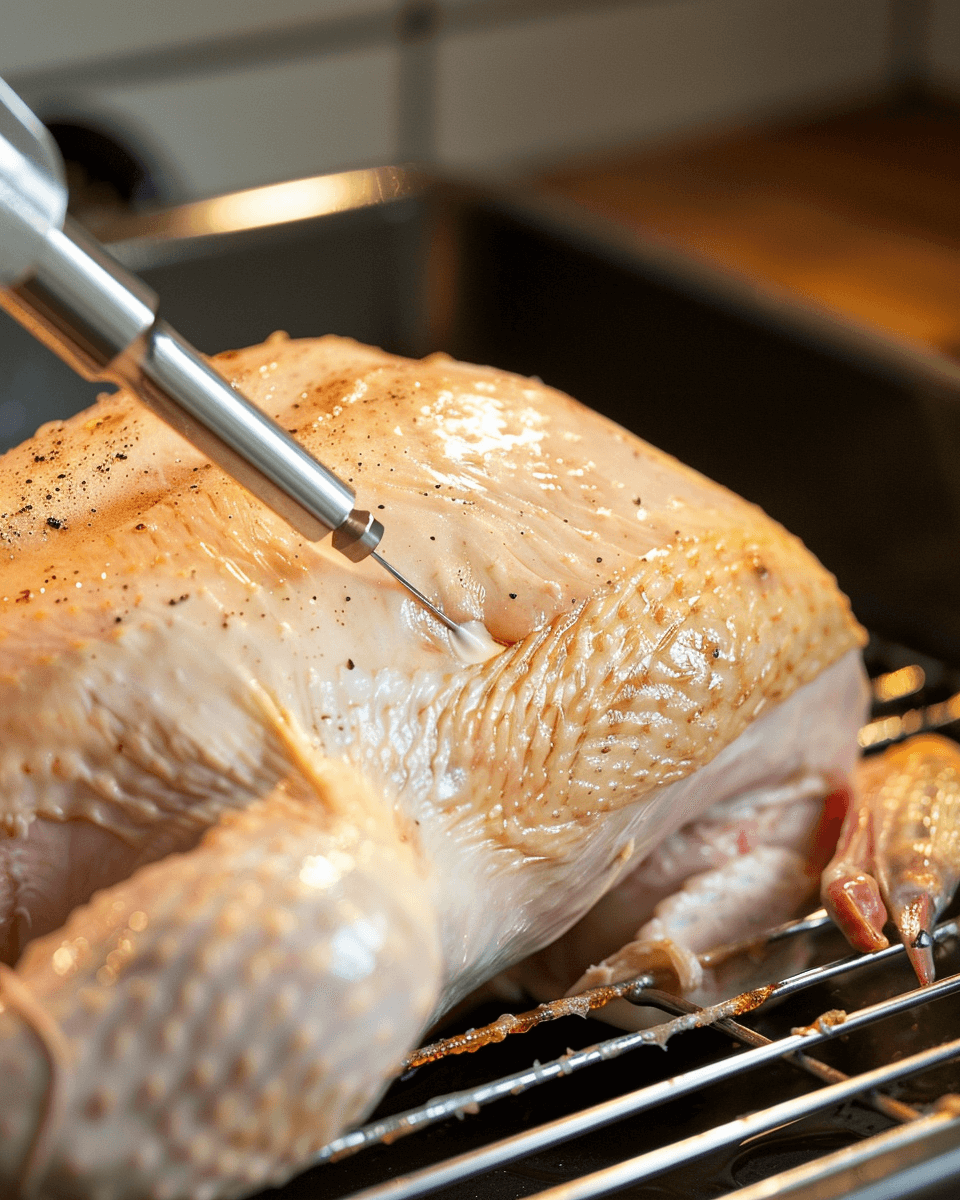
How to Inject a Turkey Properly
Injecting turkey is straightforward, but technique matters.
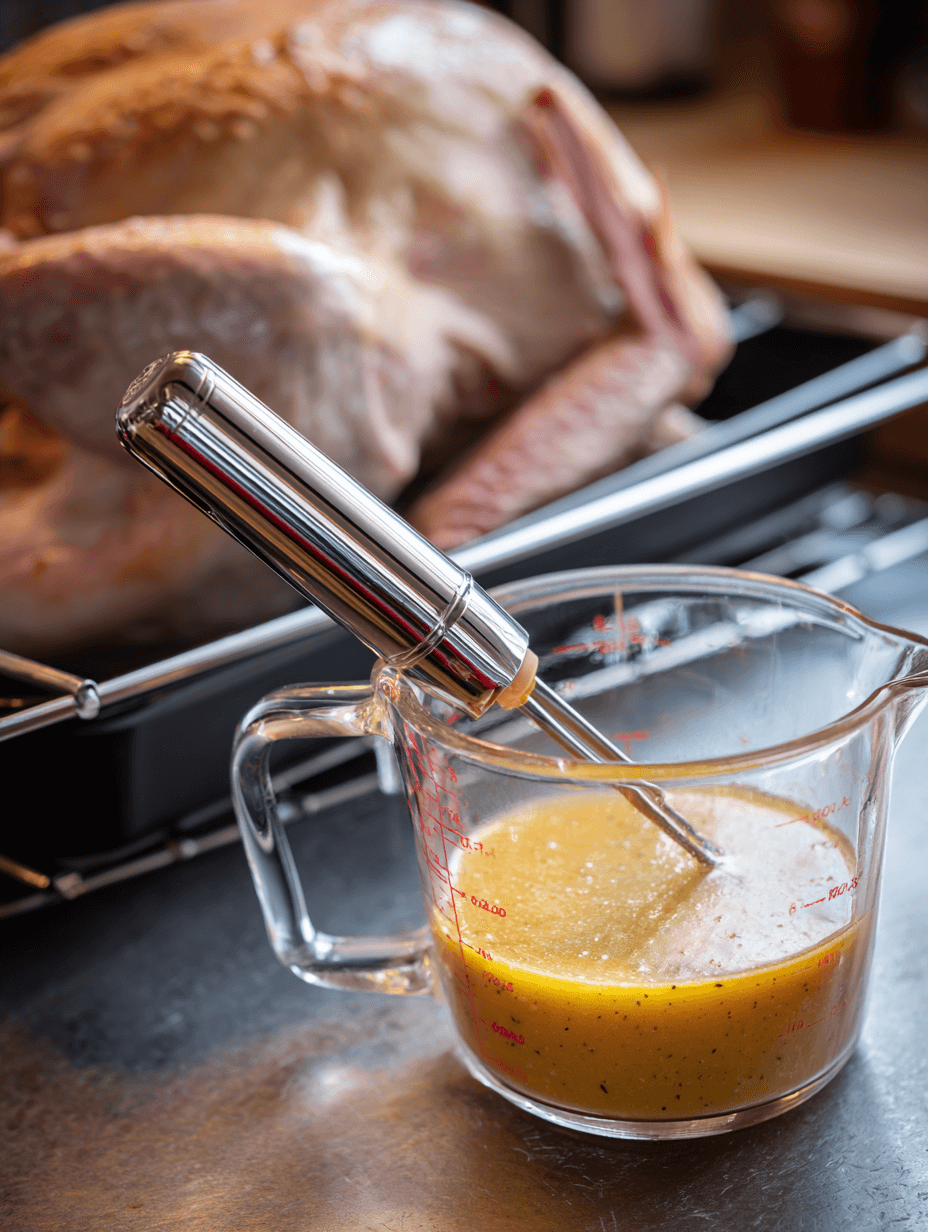
Start by preparing your injection and allowing it to cool to around room temperature. Hot liquid will damage meat, while cold butter-based injection may clog the needle.
Place the turkey in a roasting pan or on foil to contain mess.
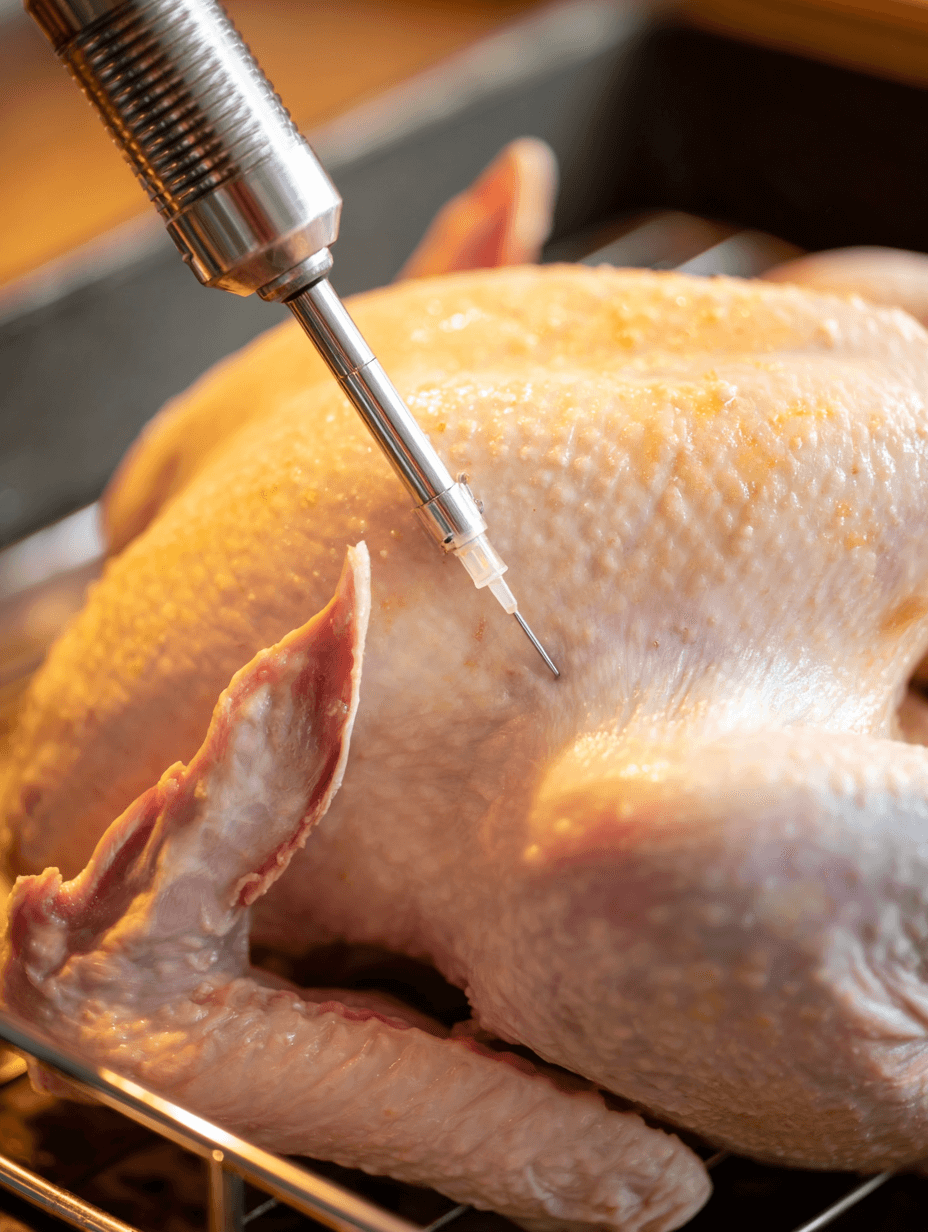
Fill the injector syringe completely. Insert the needle deep into the breast and slowly press the plunger while pulling the needle back. This motion spreads liquid evenly instead of creating one pocket.
Inject:
- Both sides of the breast
- Thighs
- Drumsticks
Change angles and spacing to distribute liquid evenly. Some liquid may leak out—this is normal.
After injecting, gently pat the surface dry before seasoning.
Using an instant-read thermometer correctly is just as important as injecting, and this guide on how to check meat temperature accurately helps prevent overcooking.
Choosing the Right Meat Injector
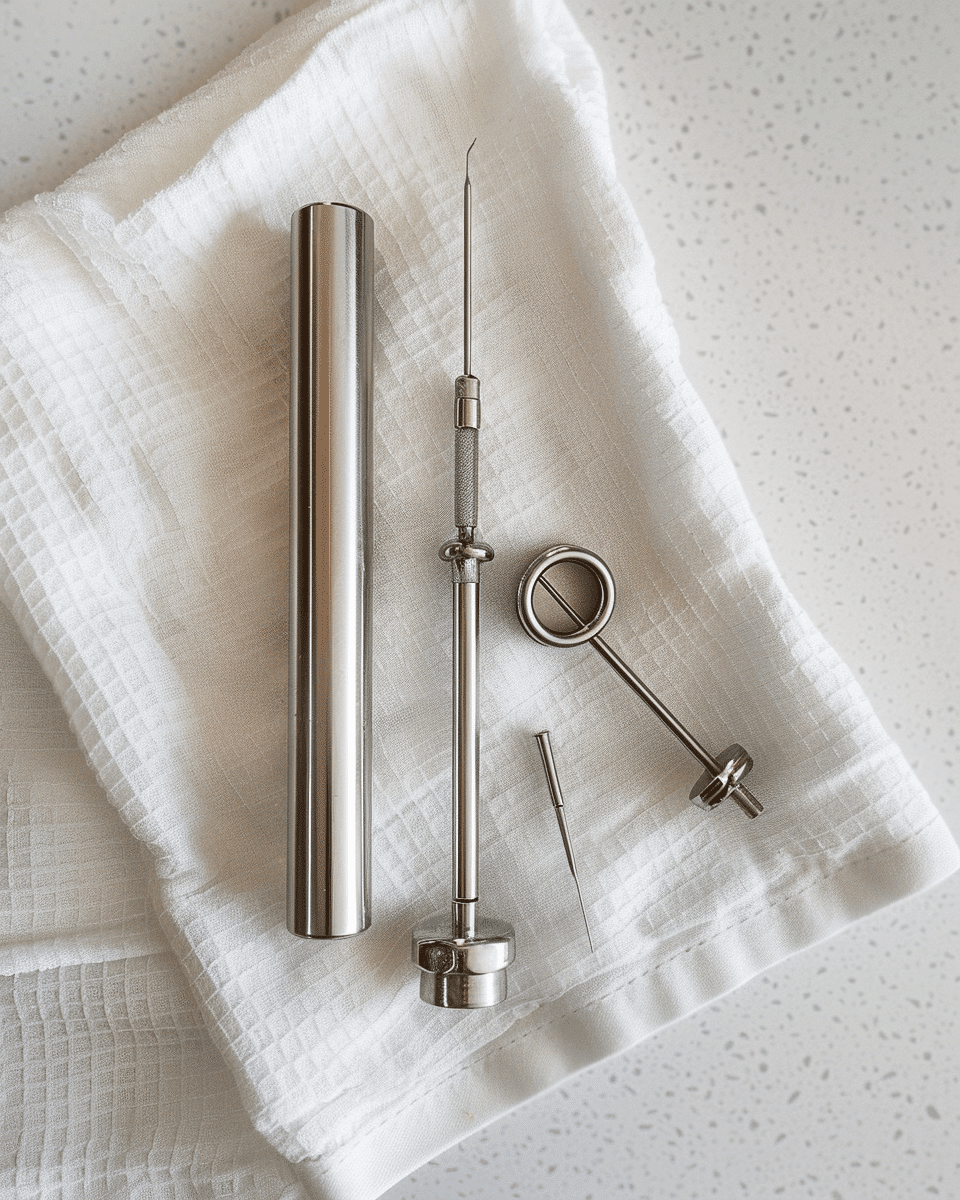
A good injector makes the process easier and cleaner.
Look for:
- Stainless steel construction
- Multiple needle sizes
- Dishwasher-safe parts
Thicker needles handle butter-based injections better. Over time, injector washers wear down, so choosing a brand with replacement parts helps extend its life.
Injectable Turkey Marinade Flavor Ideas
Injection reflects your cooking style. The base recipe below creates a classic savory turkey, but variations are easy.
Flavor ideas include:
- Apple cider and sage for fall
- Cajun seasoning for bold spice
- Teriyaki and garlic for smoked turkey
- Bourbon and brown sugar for subtle sweetness
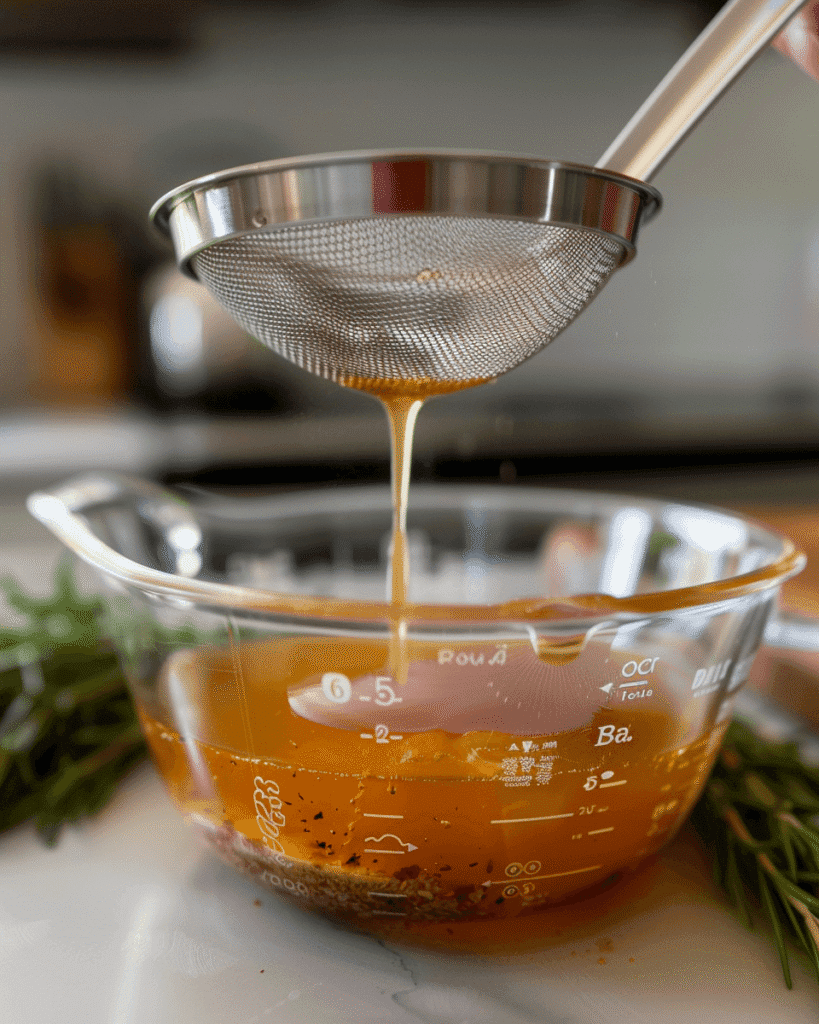
Always strain injection thoroughly. Solid particles clog needles and don’t improve flavor once infused.
Cajun Turkey Injection Variation
To make a Cajun-style injection, replace poultry seasoning with your favorite Cajun blend.
Taste the seasoning first. Some blends run very salty or spicy. Adjust quantities so the injection complements the turkey rather than overpowering it.
This variation works especially well for fried or smoked turkey.
Thanksgiving Turkey Injection Adjustments
For Thanksgiving, most people prefer savory, herb-forward flavors.
Stick with:
- Chicken broth
- Butter
- Poultry seasoning
- Thyme or sage
If time runs short, store-bought injection can work in a pinch, but homemade versions deliver better control and cleaner flavor.
Even Italian dressing can work as a last-minute injection if strained well.
Injected turkey fits naturally into fall menus, alongside other cozy favorites like these fall soup recipes that focus on warmth and comfort.
Frequently Asked Questions About Turkey Injection
What should I inject into my turkey?
A combination of butter, broth, and seasonings works best. Butter adds richness, broth adds moisture, and spices deliver flavor throughout the meat.
How long before cooking do I inject a turkey?
You can inject a turkey immediately before cooking or up to 24 hours in advance. Injection works quickly and does not require long resting time.
What is a Butterball turkey injected with?
Butterball turkeys are typically injected with a solution containing water, salt, and flavoring to help retain moisture. Homemade injection offers more control over flavor and ingredients.
Can I inject my turkey with chicken broth?
Yes, chicken broth works very well in a turkey injection recipe. It adds moisture and savory flavor, especially when combined with butter and herbs.
Final Thoughts
Injecting turkey isn’t complicated, and it doesn’t require special products or professional tools. It simply requires understanding how moisture and flavor work together inside the meat.
Once you try a homemade turkey injection recipe, it becomes hard to go back. The difference shows in every slice—juicier texture, deeper flavor, and a turkey that feels intentionally seasoned rather than hoping for the best.
Whether it’s a holiday centerpiece or a backyard smoked turkey, injection gives you control. And that control is what turns a good turkey into a memorable one.
An injected turkey pairs beautifully with comforting sides like this loaded baked potato soup recipe, making it ideal for holiday gatherings.

Turkey Injection Recipe (Ultra Juicy Butter Turkey)
Ingredients
Equipment
Method
- Place a small saucepan over low heat and gently melt the butter.
- Add all spices, herbs, and seasonings, whisking until fully combined.
- Pour in the chicken broth and bring the mixture to a gentle simmer.
- Simmer for 5 minutes, then remove from heat and allow the mixture to steep.
- Let the injection cool to about room temperature before using.
- Strain the mixture through a fine mesh sieve to remove all solids.
- Transfer the smooth liquid to a tall container for easy syringe filling.
- Place the turkey in a roasting pan or on foil to contain any mess.
- Fill a meat injector and inject the breast, thighs, and legs from multiple angles.
- Blot away any excess injection with paper towels.
- Cook the turkey until the internal temperature reaches 165°F in the thickest part of the breast.
- Let the turkey rest briefly before slicing and serving.